royal Villa, Doha, qatar
Healthy materials consultancy for a 4,700m² private residence in Qatar
SummaryBiofilico provided healthy interiors and materials advisory for a 4,700m² royal Villa in Doha, Qatar. Working for ASTAD Project Management, the team reviewed 90+ specified materials and finishes prior to fit-out of the residential development, assessing potential risks from VOCs, adhesives, coatings, sealers, carpets, fabrics and installation products. The final report identified 43 full approvals, 47 minor modifications and no major concerns, helping the project team refine the specification while preserving the established interior design intent.
project overview
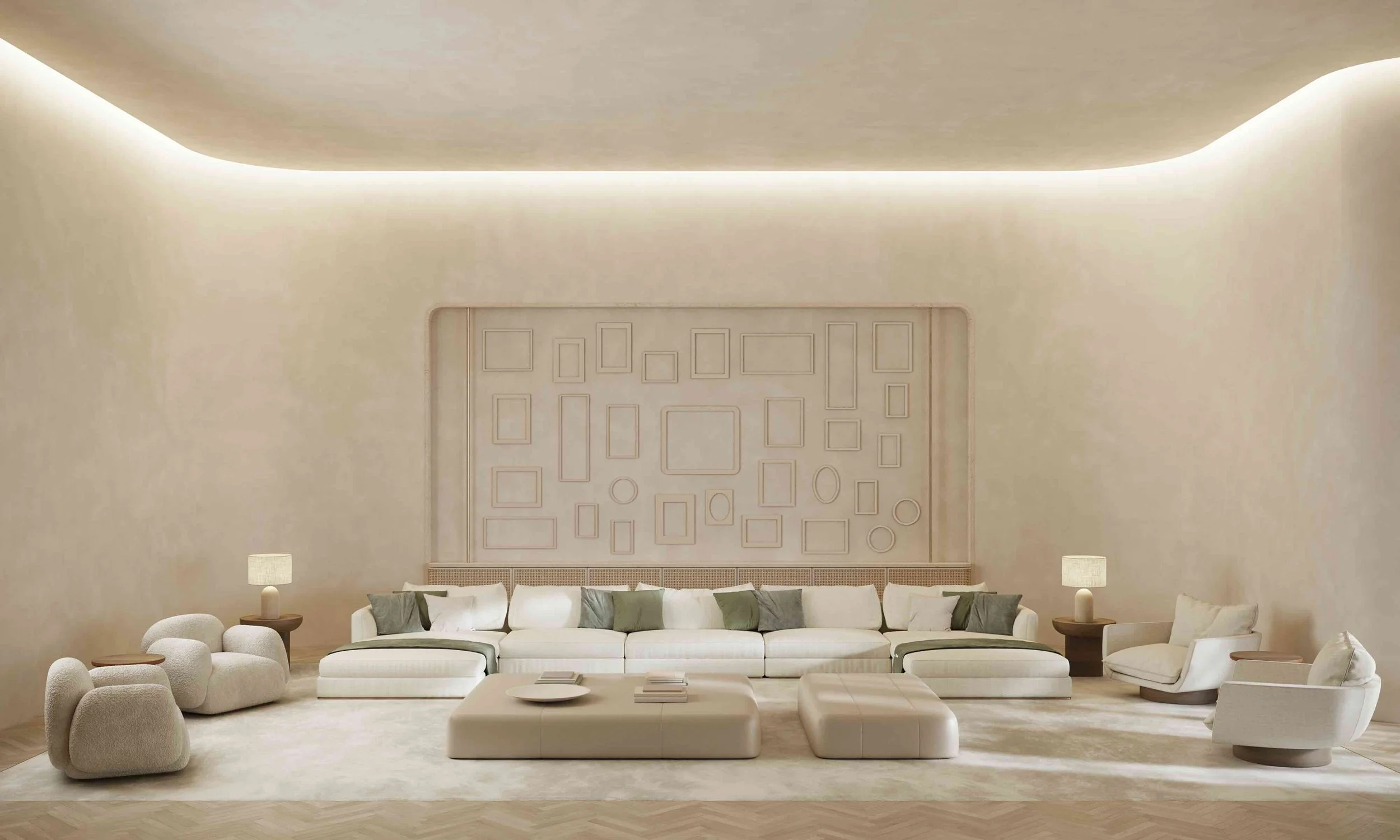
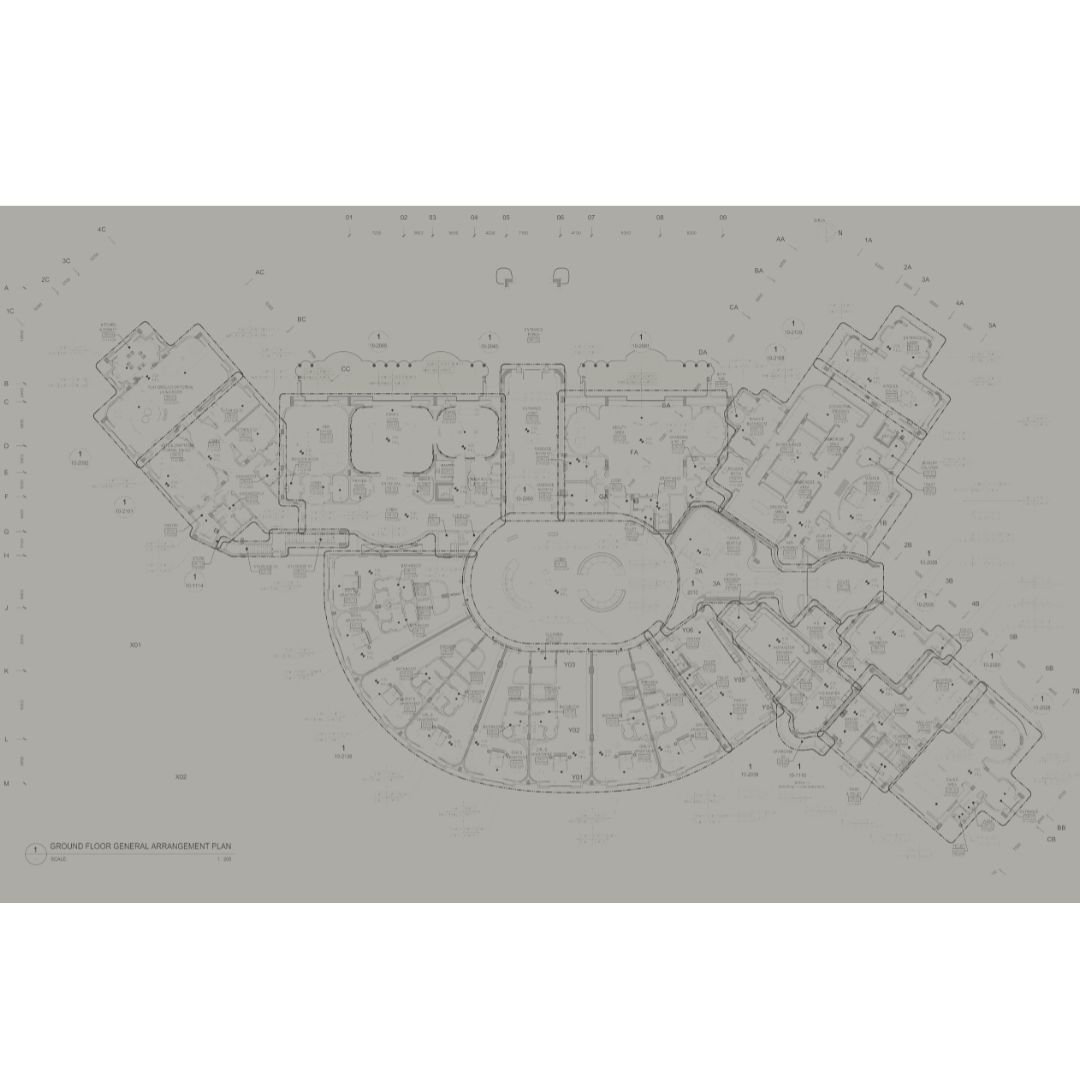
Prior to starting work for Carnegie mellon university qatar in 2024, Biofilico was appointed by ASTAD Project Management to provide healthy interiors advisory services for the Main Villa at Al Wajba Palace, a 4,700m² private residence in doha, Qatar.
The project was already at an advanced interior design stage, with fit-out works scheduled to begin shortly afterwards.
Rather than redesigning the interiors, Biofilico’s role was to review the existing finishes and materials strategy through a healthy indoor environment lens, identifying opportunities to reduce avoidable exposure to VOCs, chemical off-gassing and other material-related indoor air quality risks.
The interior design was by Ketty Schiebeck Studio, also in barcelona, with Biofilico engaged as a specialist advisor to the project management and appointed Architect-Engineer team (astad).
Project: Al Wajba Main Villa (private family)
Location: Doha, Qatar
Client: ASTAD Project Management
Interior design: Katty Schiebeck Studio
Biofilico role: Healthy interiors and materials advisory
Scale: 4,700m²
Project type: High-end private residential interior
Focus: Materials, finishes, adhesives, coatings, fit-out and indoor environmental quality
Year: 2021
the brief
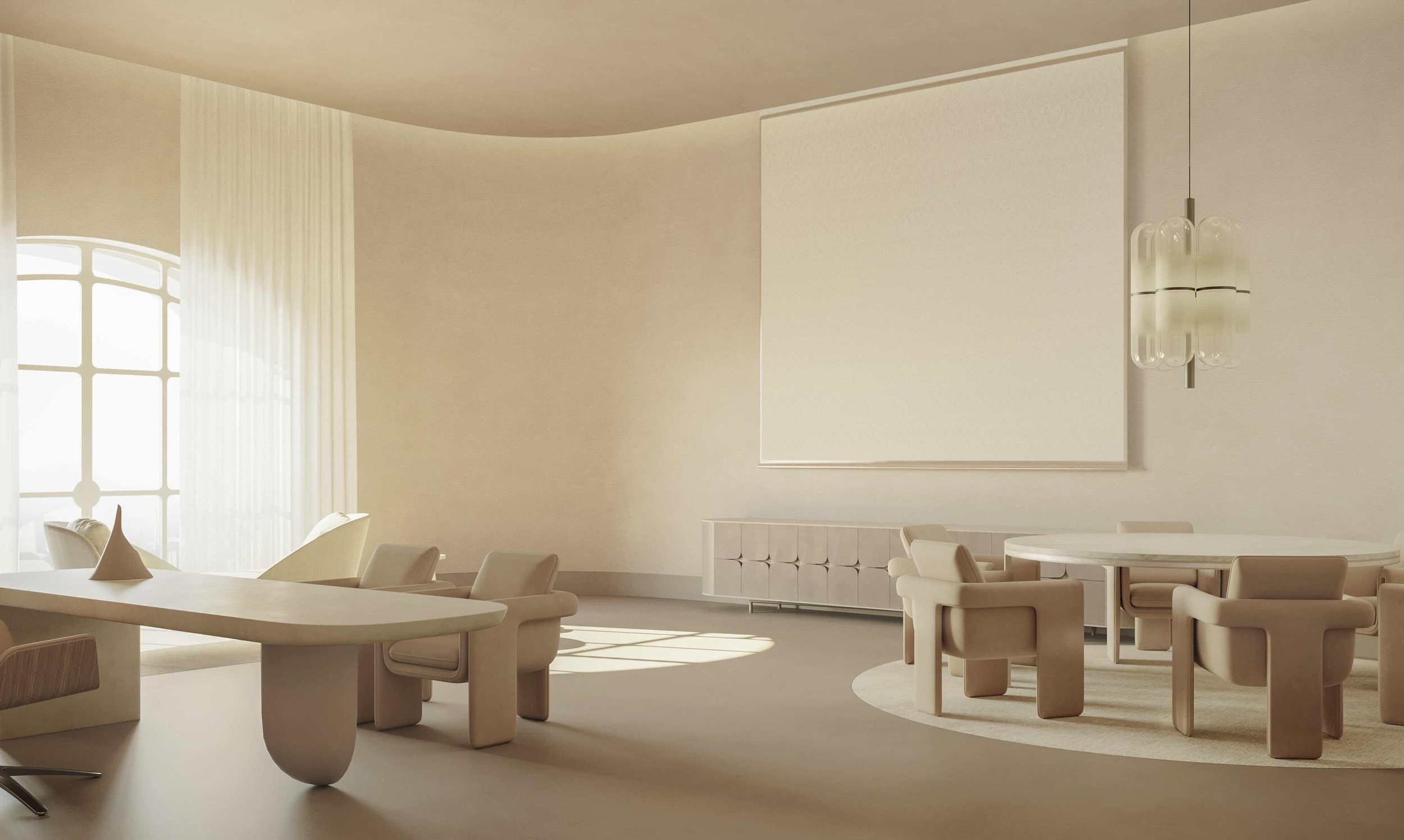
The project team wanted to understand whether the selected materials and finishes for the villa could be improved from a healthy interiors perspective before the start of fit-out.
Biofilico was asked to analyse the existing interior design proposals, review the specified materials, and propose healthier alternatives where relevant.
The main objective was to improve indoor environmental quality by reducing potential sources of VOCs and other chemical emissions during and after the fit-out process.
The advisory scope focused on three main areas:
materials and finishes specified by the interior design team;
fit-out processes, including adhesives, primers, sealers and coatings;
post-occupancy indoor environmental quality, including ventilation, flush-out and air quality monitoring recommendations.
The work was deliberately pragmatic. The intent was not to disrupt the design concept, but to identify targeted interventions that could improve the health profile of the interior while preserving the aesthetic direction of the project.
Why materials matter for indoor environmental quality
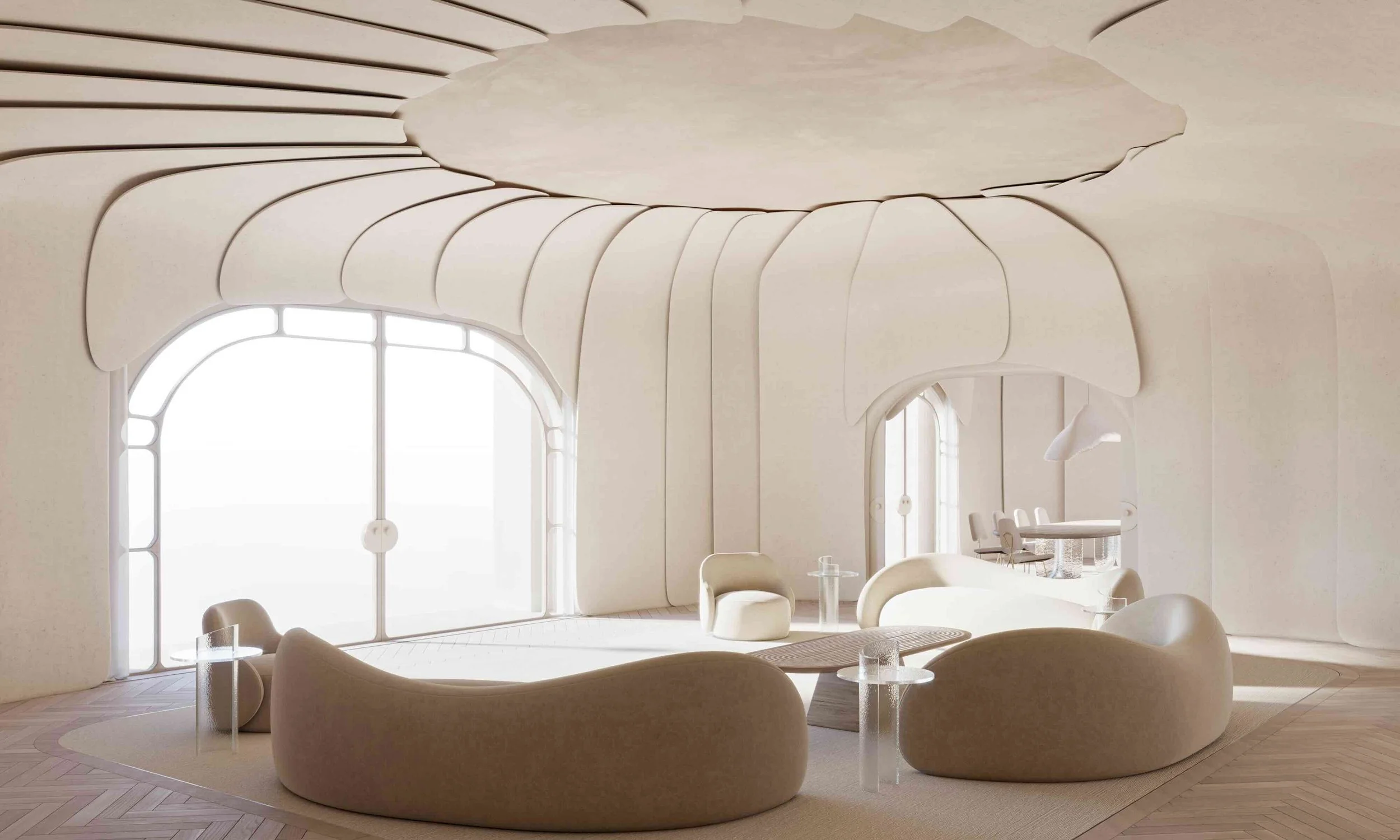
Healthy interiors are shaped not only by how a space looks, but by what it is made from.
In a large private residence, the cumulative impact of finishes, adhesives, paints, coatings, fabrics, carpets, furniture, bedding and sealants can have a significant effect on indoor environmental quality.
This is particularly important in luxury residential projects where interior specification is often material-rich and highly customised.
Potential concerns include:
VOC emissions from paints, coatings, lacquers and adhesives;
formaldehyde and other emissions from composite wood products;
off-gassing from sealers, primers and synthetic finishes;
particulate accumulation in high-pile rugs and carpets;
chemical treatments used in some textiles and performance fabrics;
fit-out dust and construction residues;
inadequate pre-occupancy flush-out before residents move in.
Biofilico’s work focused on identifying where these risks were material, where they were negligible, and where minor specification changes could deliver a better healthy interiors outcome.
methodology
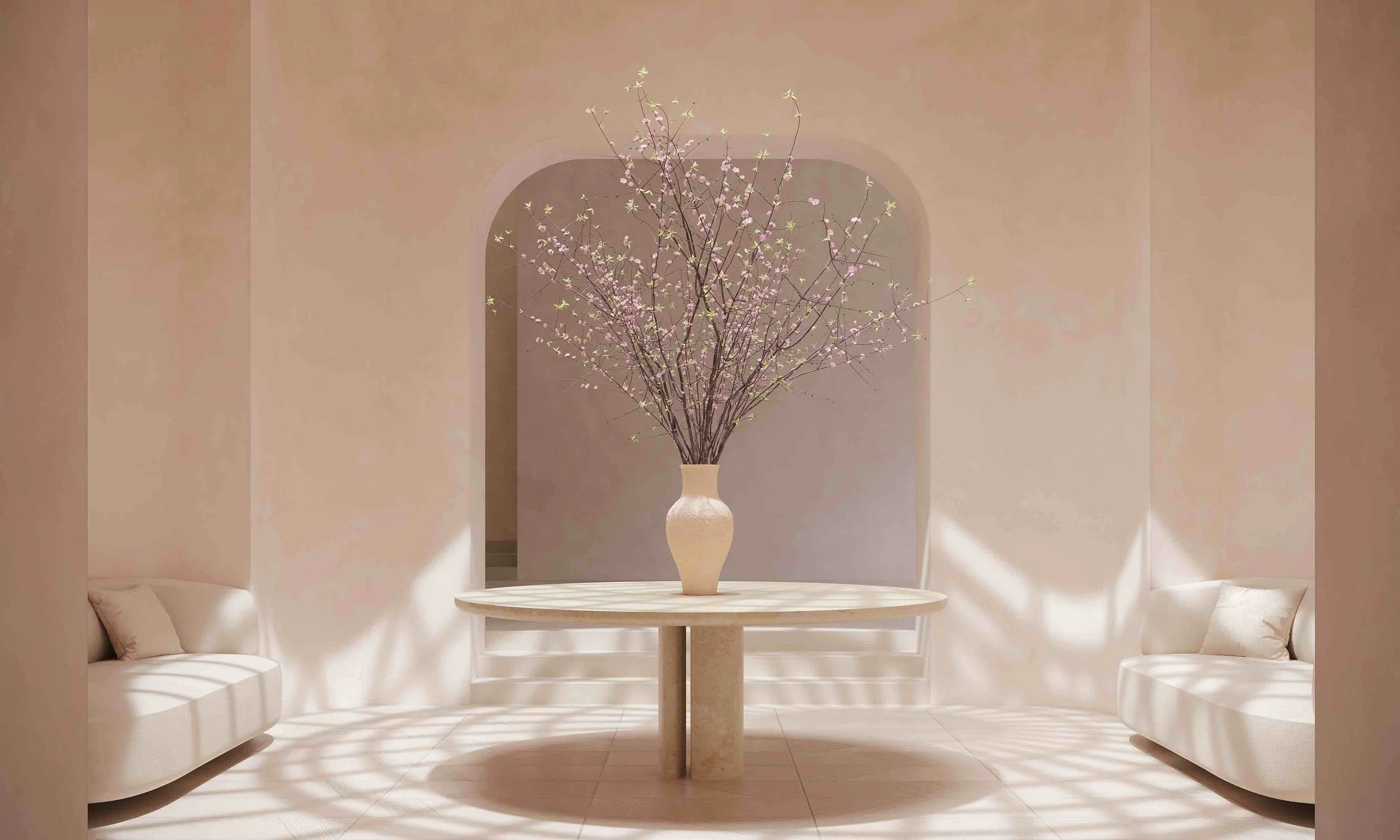
Biofilico reviewed the project’s finishes and materials schedule, specification information and supporting documentation.
The review covered approximately 90 individual materials and finishes across the villa. These were assessed by category, with recommendations issued for each relevant material or fit-out condition. The final report classified the materials into three categories:
Full approval
Minor modification
Major concern
The project achieved a strong overall result, with 43 full approvals, 47 minor modifications and no major concerns.
The purpose of the rating system was to make the findings easy for the project team to act on.
In many cases, the base material itself was acceptable, but Biofilico recommended adjustments to the associated adhesive, sealer, lacquer, primer or cleaning / maintenance strategy.
Materials & finishes reviewed
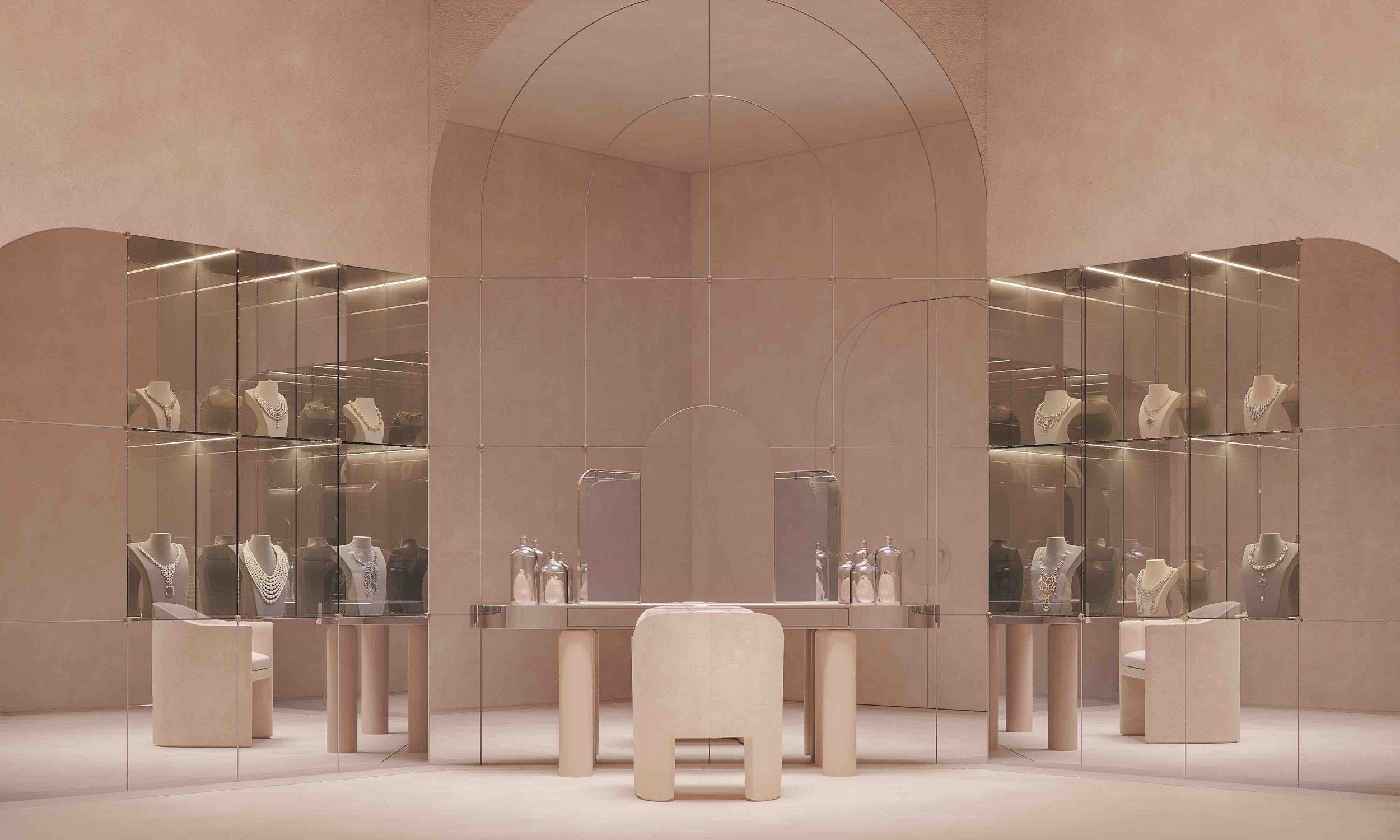
Biofilico reviewed a broad range of interior specification categories, including:
stone;
timber and wood flooring;
veneer and joinery panels;
paints and coatings;
lime plaster, tadelakt and microcement-type finishes;
carpets and area rugs;
curtain and upholstery fabrics;
leather;
metal finishes;
tile flooring;
rubber flooring;
mirrors and glazing;
plastics and resin products;
adhesives, grouts, primers and sealers.
The original finishes schedule included detailed material references, supplier information, locations, descriptions and finish types across the project.
Biofilico then developed a corresponding review matrix, identifying material concerns, finish concerns, fit-out concerns and recommended actions for each relevant item.
key findings
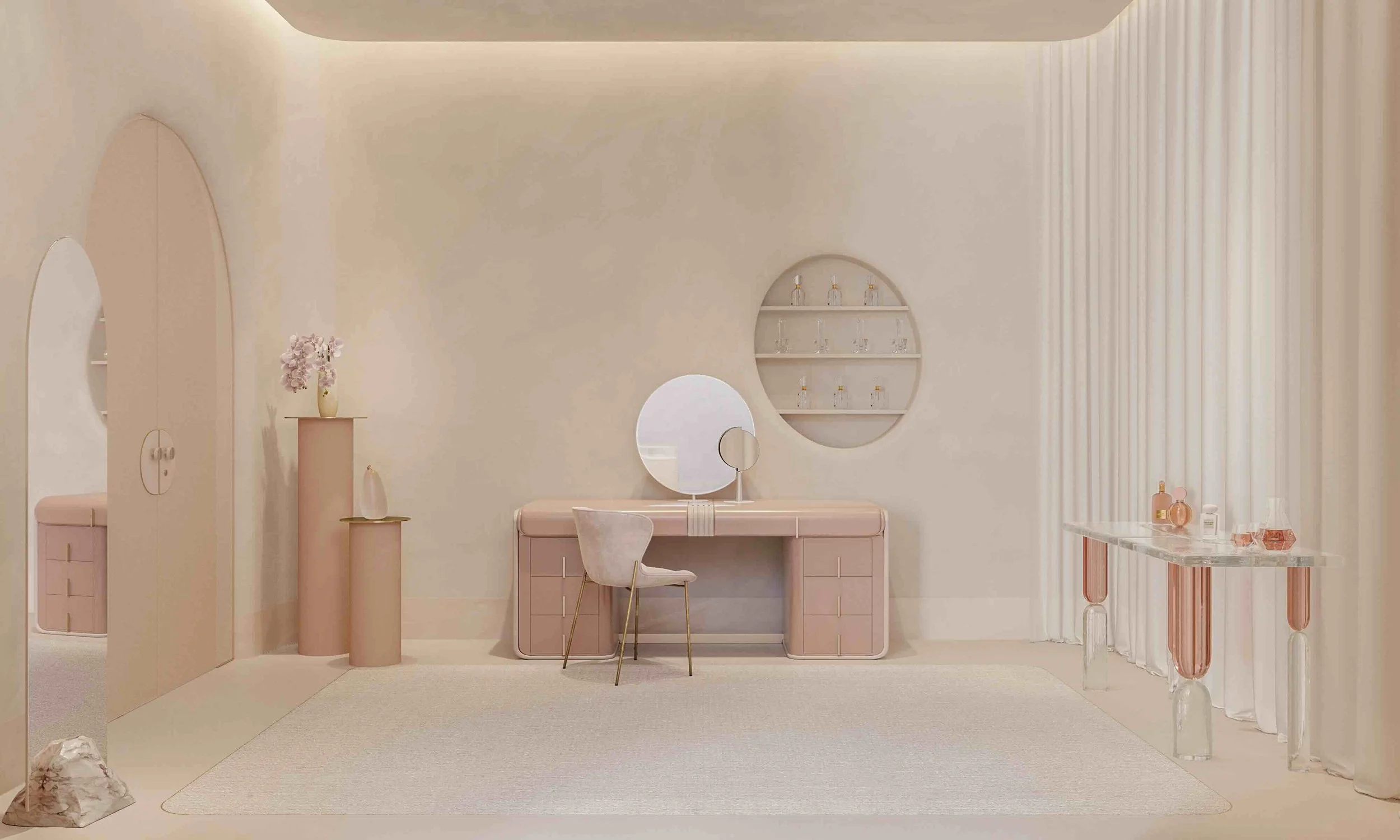
1. Most natural base materials were low concern
The project included extensive use of natural stone, timber, linen, cotton and other inherently low-risk materials. These were generally not the main concern from a healthy interiors perspective.
For example, natural stone was not considered a significant material health risk in itself, although Biofilico recommended attention to cement mortars, adhesives and installation products used during fit-out.
This distinction was important: a healthy materials review needs to consider not only the visible finish, but also the full installation system.
2. Adhesives, sealers and coatings were often more important than the visible finish
One recurring finding was that the specified material could be acceptable, while the associated adhesive, primer, lacquer, sealant or coating required closer review.
For timber flooring and joinery, for example, Biofilico recommended low-emission adhesives and healthier finish options where lacquer, hardwax oil or stains were part of the specification.
The materials review matrix included recommendations such as using EC1 Plus very low emission adhesives and lower-VOC wood finishing products.
This is a typical healthy interiors issue: the hidden chemistry of the installation can matter as much as the headline material.
3. Paints and coatings required careful attention
Paints, coatings, lime plaster, microcement and tadelakt-type finishes were among the more sensitive categories in the review.
The report recommended healthier alternatives to standard paints where appropriate, along with careful selection of primers, sealers and coating systems.
In several cases, Biofilico recommended alternatives such as mineral-based or low / no-VOC paint systems, and encouraged tadelakt or lime plaster-type solutions over less desirable coating assemblies where technically appropriate.
This work is directly relevant to contemporary healthy interiors advisory, where wall finishes can play an important role in perceived material quality, indoor air quality and environmental positioning.
4. Soft finishes required both material and maintenance review
Carpets, rugs, curtains, upholstery and decorative fabrics were reviewed not only for material composition but also for their operational implications.
In some cases, the main issue was not chemical emissions but the potential for high-pile rugs and carpets to accumulate dust and particulate matter.
Biofilico recommended appropriate cleaning protocols, including vacuuming with high-grade HEPA filtration where large or high-pile carpets were retained as part of the design.
The review also considered textile composition, fire-retardant treatments, synthetic content and the relative benefit of switching to natural alternatives in certain locations.
5. Fit-out sequencing and pre-occupancy flush-out were part of the health strategy
The report did not stop at product substitution. It also considered construction and fit-out sequencing.
Biofilico recommended a pre-occupancy flush-out period after fit-out, cleaning with high-grade filtration, and indoor air quality monitoring prior to occupation.
The report also addressed ventilation, filtration, UV treatment and ongoing monitoring of pollutants such as PM2.5, PM10, CO2 and total VOCs.
This helped move the project from a purely materials-based review towards a broader healthy indoor environment strategy.
Recommendations issued
substituting or confirming low-emission adhesives;
reviewing sealers and primers for VOC risk;
selecting healthier paint and coating alternatives where appropriate;
using lower-risk timber finishes;
avoiding unnecessary synthetic or chemically treated materials where natural alternatives were viable;
specifying high-grade cleaning and maintenance protocols for rugs and carpets;
implementing a pre-occupancy flush-out period;
monitoring indoor air quality before occupation;
considering ongoing IAQ monitoring during operation;
aligning facilities management practices with the healthy interiors intent.
The report also included appendices on construction / ventilation, healthy bedding and post-occupancy healthy interiors / facilities management.
report outcomes
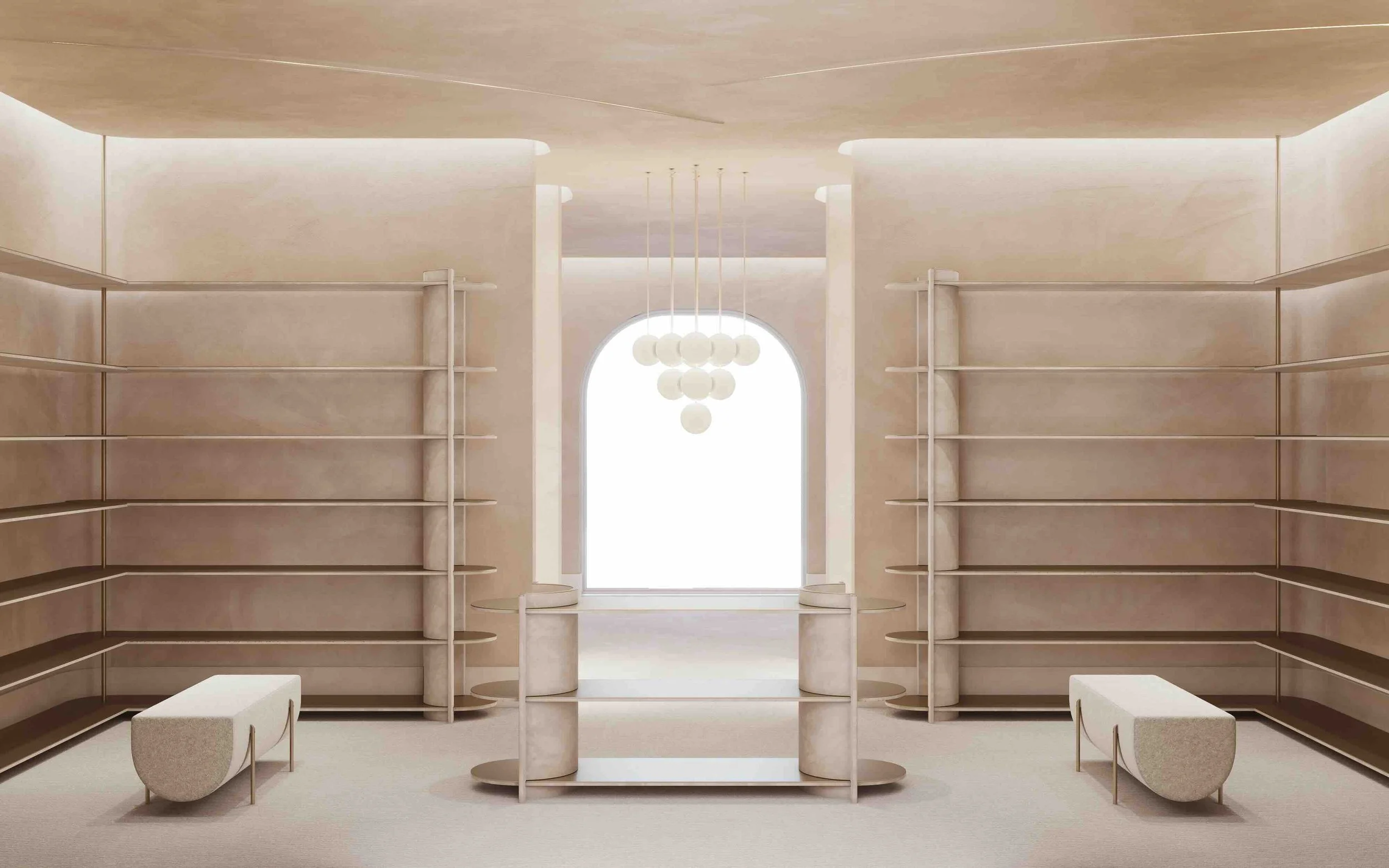
Outcome
The final advisory report gave the project team a practical framework for improving the health profile of the interior before fit-out.
The headline result was positive: the overall specification was considered strong, with no major material concerns identified. However, Biofilico identified multiple minor modifications that could further improve indoor environmental quality without requiring a major redesign.
The value of the work was in targeted refinement. Rather than challenging the design concept, Biofilico helped the project team protect the integrity of the interior while reducing avoidable indoor air quality risks.
Relevance today
This project remains a strong example of Biofilico’s approach to healthy materials consultancy.
Many sustainability conversations focus on embodied carbon, recycled content or certification credits. These are important, but they do not always address the lived experience of occupants inside a finished space.
A healthy materials review considers a different set of questions:
What substances are being brought into the interior?
What is likely to off-gas during and after fit-out?
Which installation products sit behind the visible finish?
Are there healthier alternatives that preserve the design intent?
What should happen before the client moves in?
How should indoor air quality be monitored over time?
For developers, architects, designers and project managers, this kind of advisory work can help convert healthy building principles into tangible specification decisions.
If you are planning a residential retrofit, hospitality refurbishment, or workplace upgrade and want a materially disciplined approach to healthy interiors, durable specification, and local procurement strategy, contact Biofilico to discuss how this framework can be adapted to your project constraints.