Casa Costa: A Healthy Interiors Retrofit in Barcelona (healthy Materials, an organic palette and Local Procurement)
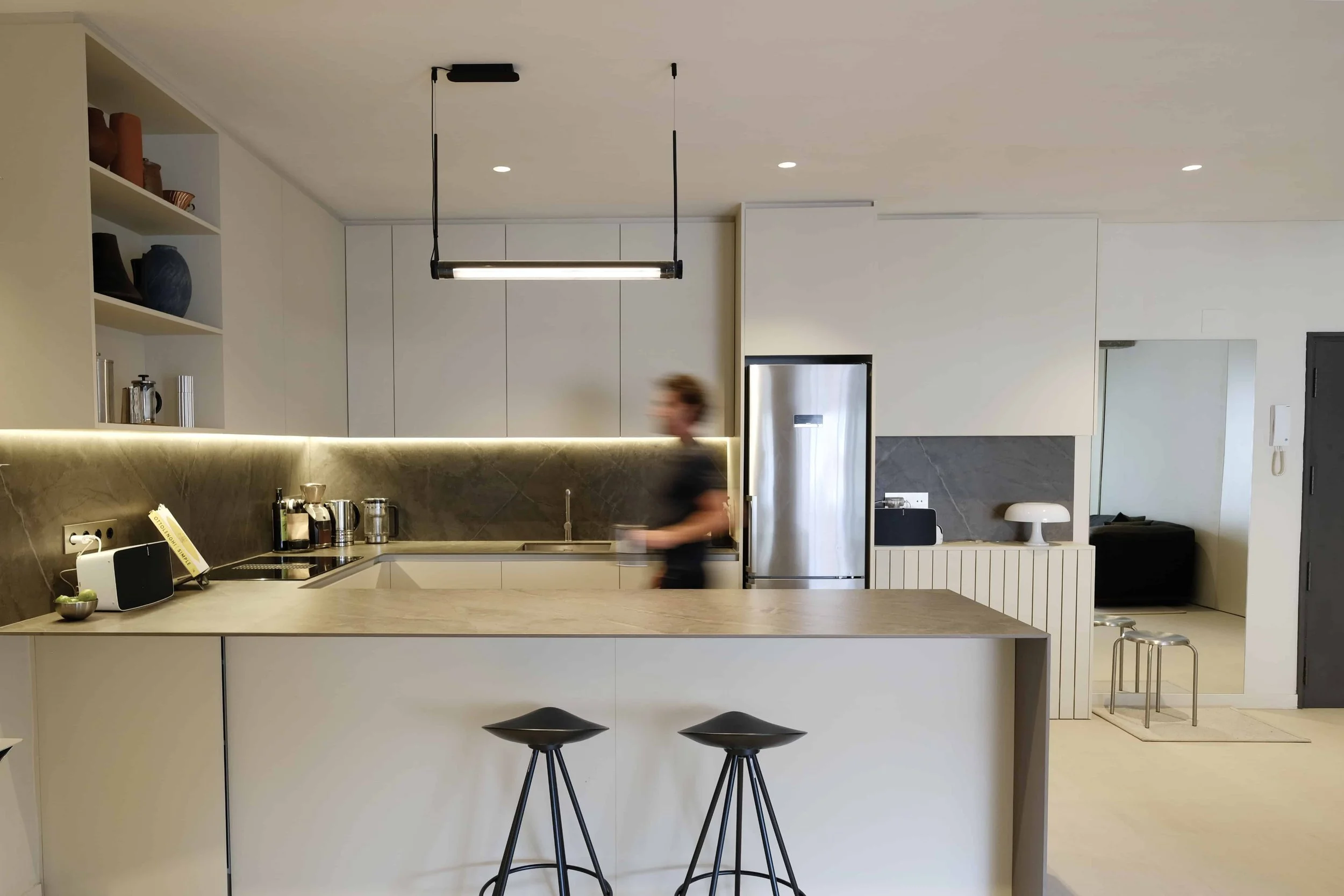
casa costa kitchen island and backsplash by cosentino, stools by bd barcelona, suspended light by marset, wall finishes by formma
Casa Costa is a 100m² residential retrofit in Sarrià–Sant Gervasi, Barcelona, delivered through a Biofilico approach that treats specification as strategy: healthier material choices, durability-first detailing, measurable comfort upgrades, and a locally anchored procurement model.
This article shares the thinking behind the retrofit—so developers, hospitality teams, and workplace clients can apply the same framework at scale.
to discuss your own residential project requirements, contact us via email here or explore our wellness residence services here
Why “healthy interiors” is not a style choice
In many projects, “wellness” gets reduced to visual cues—plants, pale colours, or spa aesthetics. Biofilico’s approach is different: healthy interiors are created through compounding decisions across:
surface finishes (what you breathe and touch most)
thermal comfort (how the space actually feels day to day)
durability and maintenance (how it performs over time)
procurement reality (lead times, accountability, replacement, and defects)
Casa Costa is a useful reference because it combines all four.
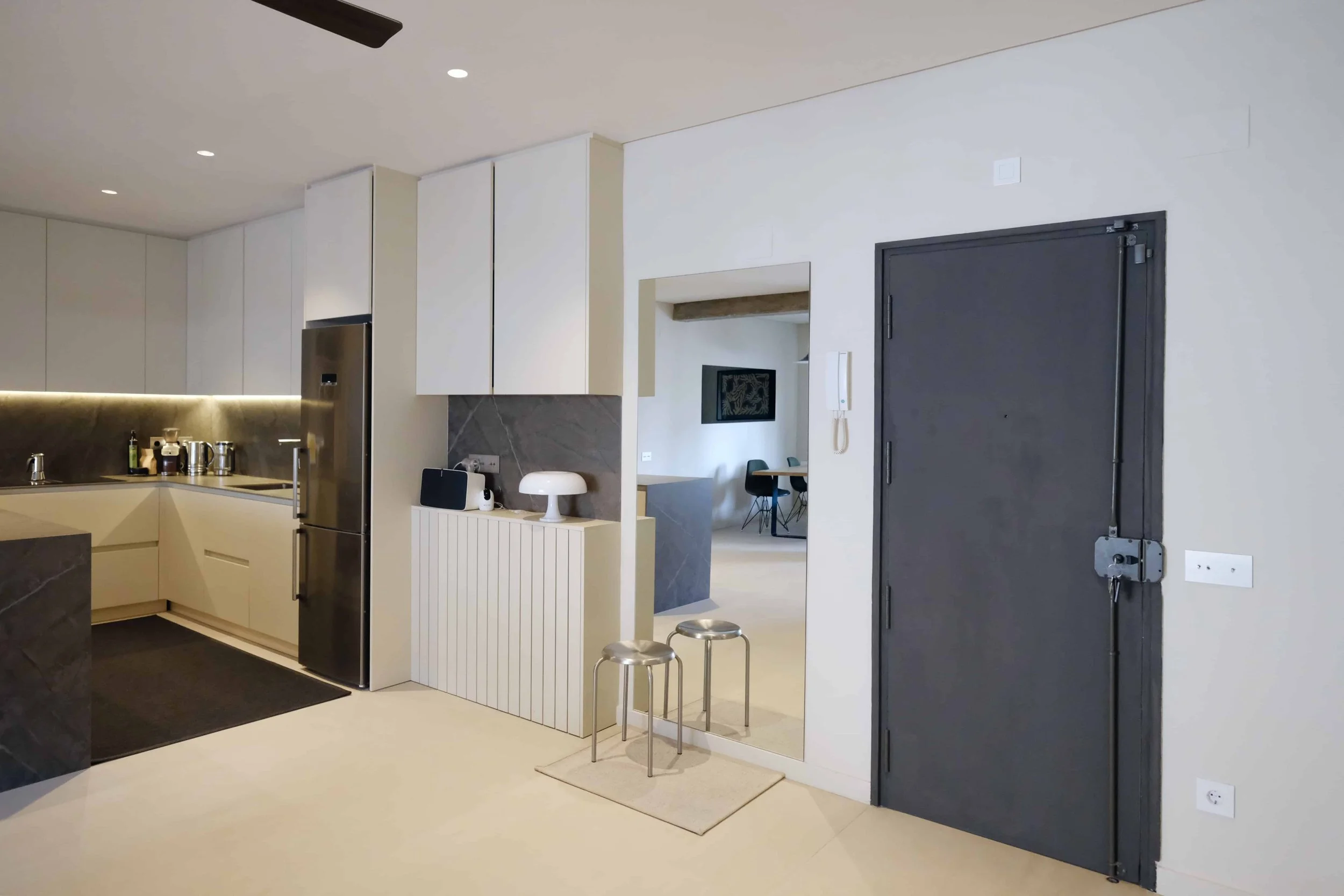
casa costa barcelona: ceramic floor tiles by pavigres, wall and door paint finishes by formma, area rugs by cotlin raw, kitchen backsplash by cosentino
1) Low-tox finishing strategy: start with the biggest surfaces
Walls are often the largest surface area in any interior. For Casa Costa, the finishing strategy prioritised mineral-based, low-tox intent where feasible, specifying eco-friendly lime paints by Formma (Barcelona, spain)across walls, with additional applications on the front door and terrace ceiling.
Why it matters commercially: a robust finishes strategy reduces rework risk, improves perceived quality, and supports a “healthy building narrative” without relying on gimmicks.
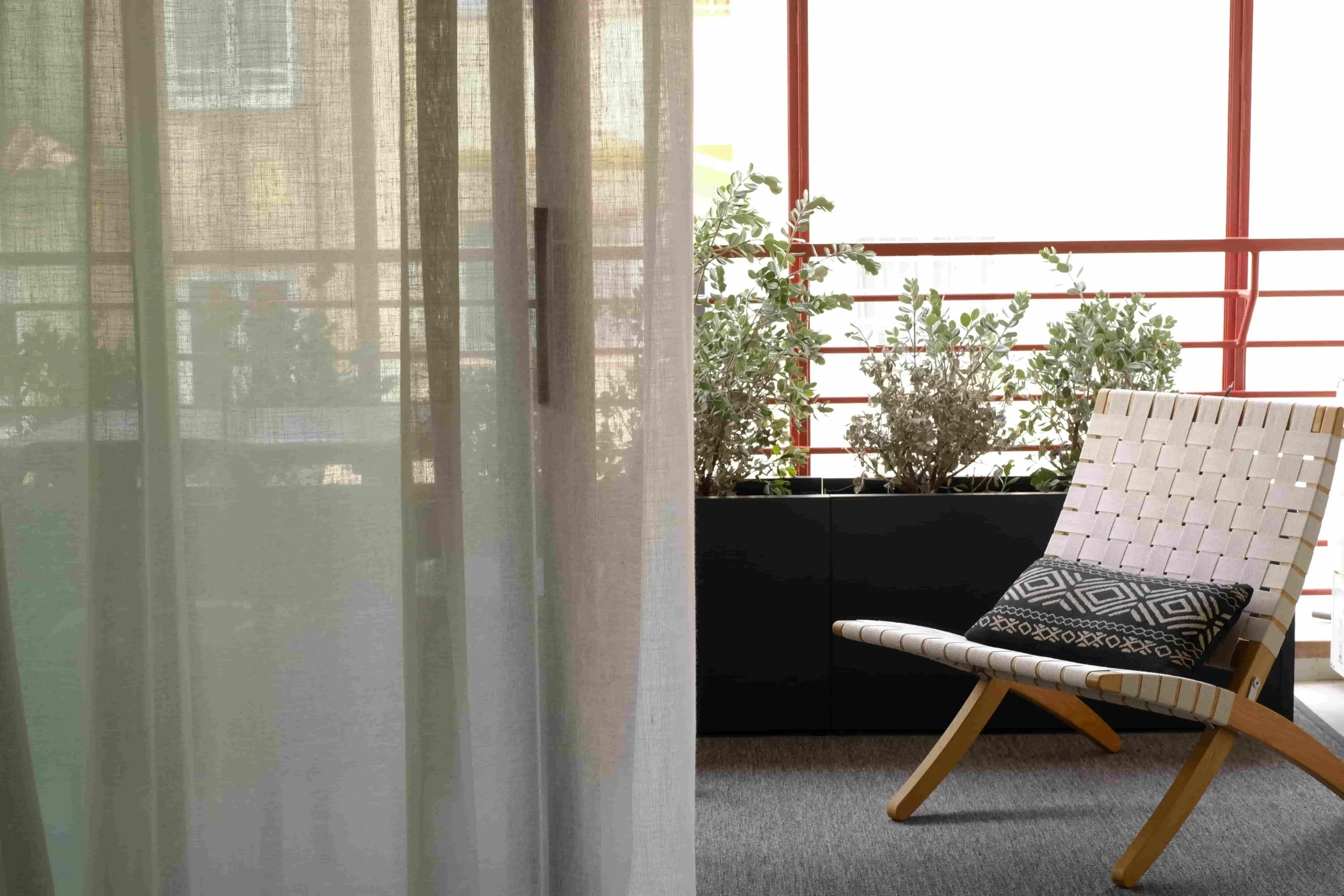
casa costa terrace: cotlin raw area rug, herstera planters, linen curtains by la maison barcelona
2) Thermal comfort as a wellness upgrade (not just an energy upgrade)
A key comfort uplift in Casa Costa was the replacement of all windows with new double-glazing by K·Line (barcelona, spain), specified to improve thermal performance and everyday comfort.
Why it matters commercially: thermal comfort is one of the most reliable wellbeing outcomes—relevant across residential, hospitality rooms, and offices. It also protects asset value by addressing a common pain-point early.
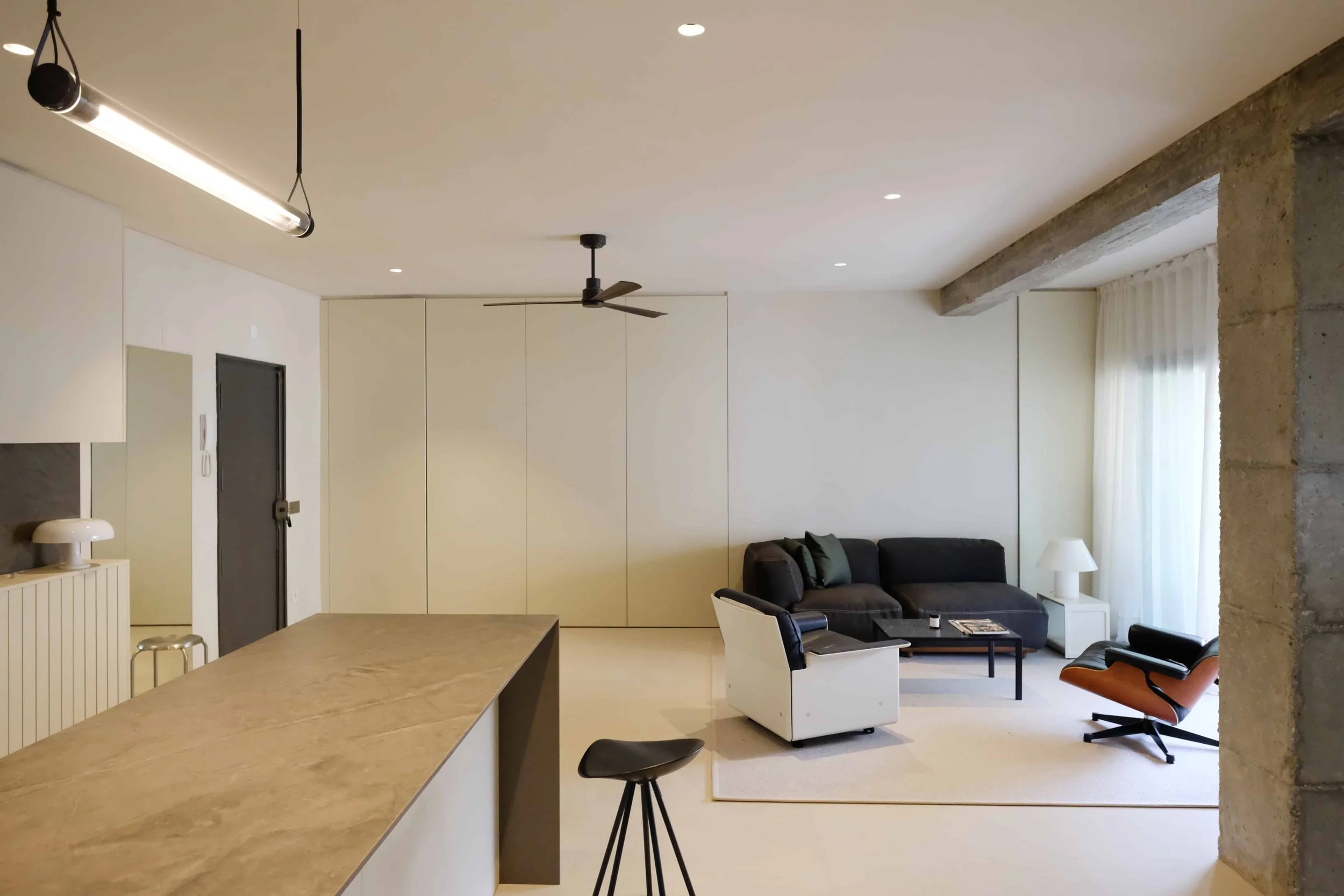
casa costa barcelona with cosentino kitchen island, bd barcelona stools, cotlin raw area rug, andreu world sofa, alabaster lamp by jordi veciana
3) Durable floor specification: sustainability through longevity
For high-use zones, Casa Costa uses a calm, hard-wearing ceramic flooring strategy: Pavigres (Portugal) Granity / Air tiles in a matte beige and hammered grey palette.
This is a sustainability decision as much as an aesthetic one: durable floors extend replacement cycles, simplify cleaning, and maintain consistent quality as the space ages.
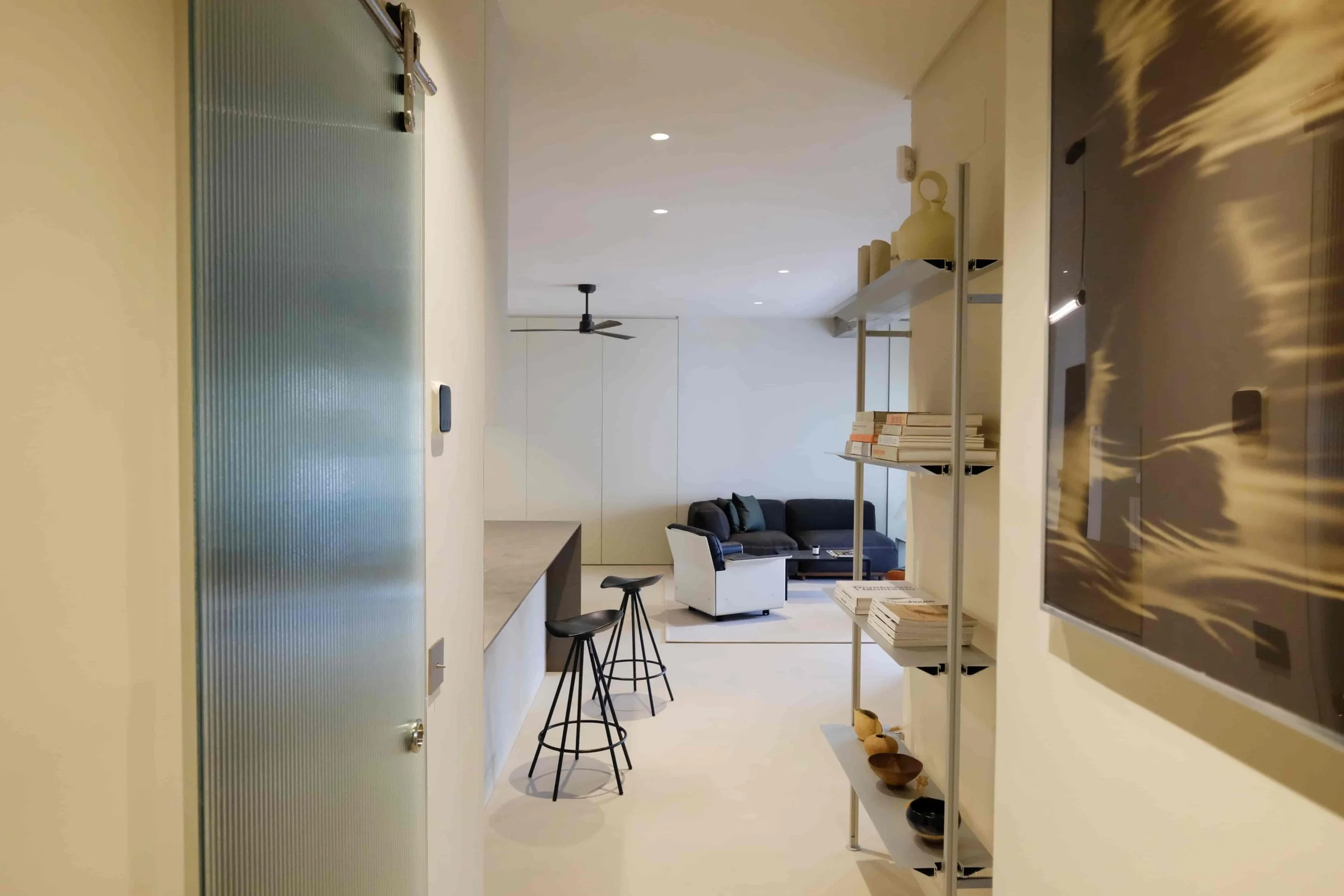
casa costa ceramic floor tiles by pavigres, stools & shelves by bd barcelona, kitchen island by cosentino, wall finishes by formma
4) Bathrooms: where sustainability and detailing discipline meet
Bathrooms are “failure zones” when the design intent is not matched by technical discipline. In Casa Costa, wet areas were treated as a technical scope:
wall tiles: stage collection by equipe ceramicas (castellon, Spain)
grout strategy:Kerakoll (italy)
bespoke fluted glass doors and mirrors: La Cristaleria Barcelona, spain
fixtures, taps, switches/sockets, ironmongery:iconico (Barcelona, spain)
Why it matters commercially: bathrooms create disproportionate defect risk. Good wet-area detailing reduces maintenance burden and protects reputation.
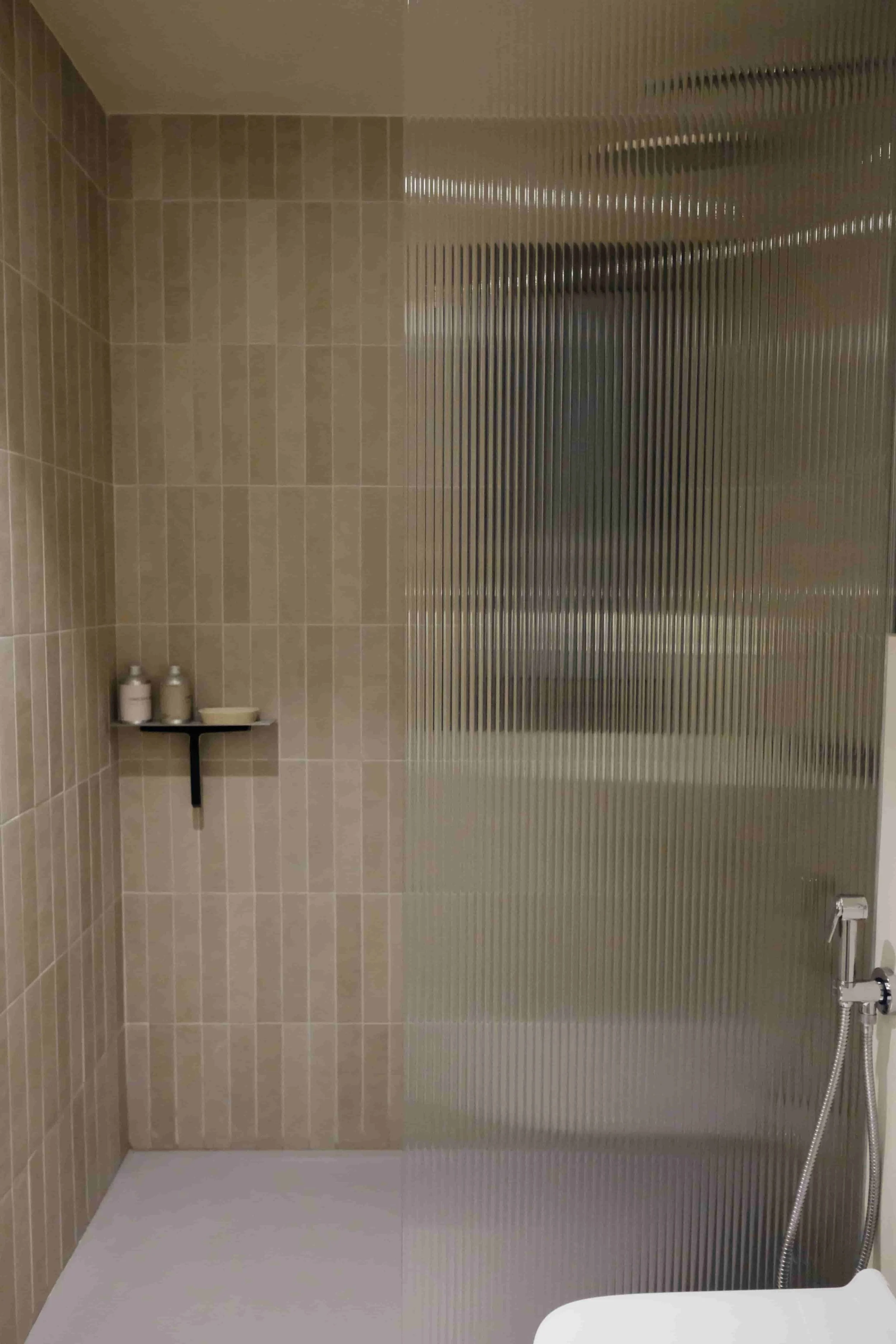
casa costa barcelona bathroom with equipe ceramic tiles, formma lime paint, iconico fixtures
5) Procurement discipline as a design tool
A core theme in Casa Costa is local procurement as risk management, not just “sustainability messaging.” Barcelona-based procurement and fabrication increases speed of feedback, accountability, and clarity on what is supplied/installed.
Examples include:
consistent hardware and electrical plates via iconico (Barcelona, spain)
custom glass and mirrors via La Cristalleria Barcelona
custom rugs viaCotlin raw (Barcelona, spain)
made-to-order linen curtains via La Maison (Barcelona, spain)
Why it matters commercially: local sourcing often reduces programme uncertainty and defects resolution time—highly relevant for developers and operators.
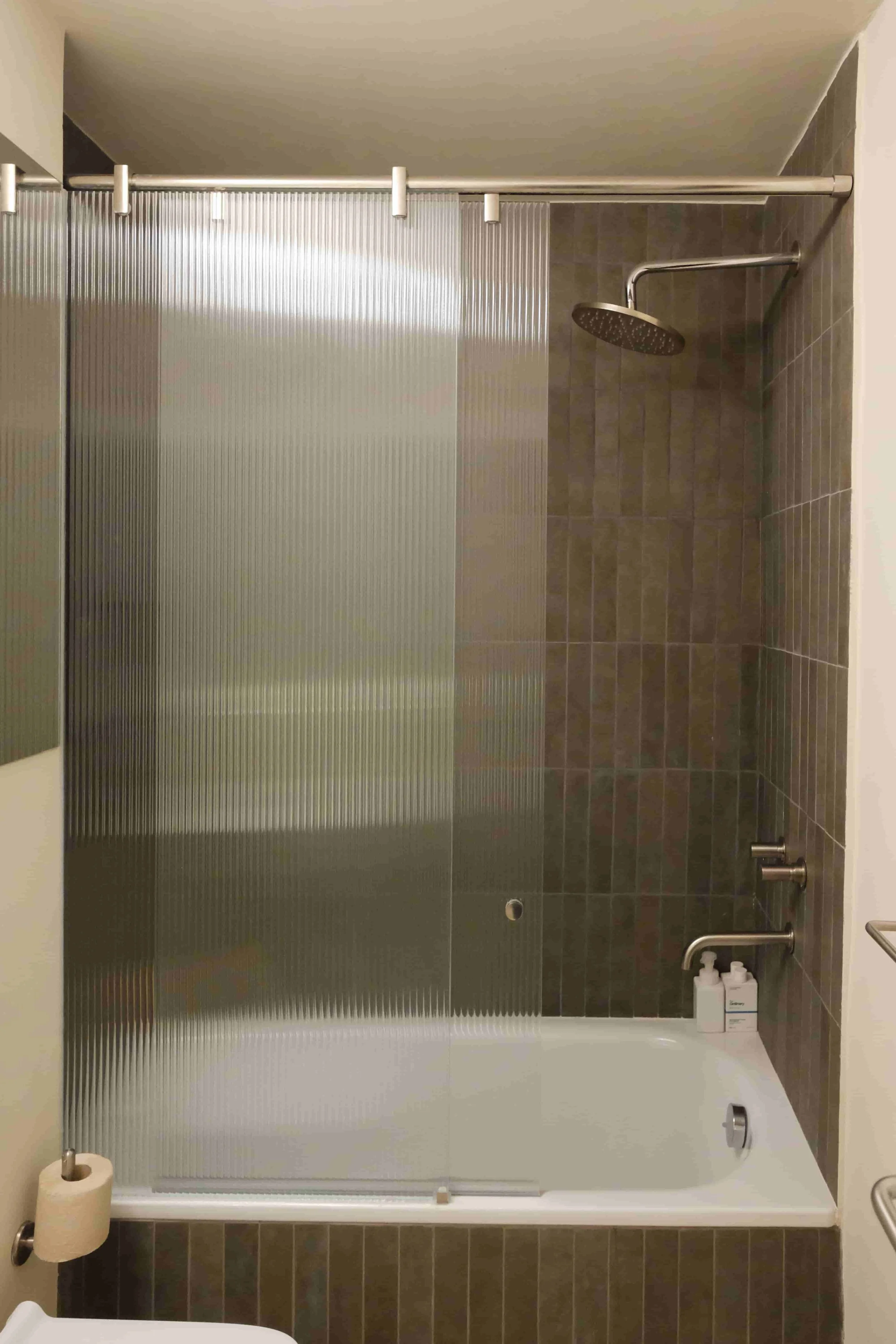
casa costa barcelona bathroom with equipe ceramic tiles, formma lime paint, iconico fixtures
6) Joinery: budget realism without losing the healthy-interiors intent
All built-in cupboards with mirrored doors (bedrooms, home office, and both bathrooms) were custom made locally by Estudio Utopia.
Where budget constraints limited more sustainable board options, melamine was selected for cabinetry. The approach remained “health-aware” through durable detailing, minimising exposed cut edges, and commissioning/ventilation discipline post-installation.
Why it matters commercially: most projects face trade-offs; credibility comes from how you manage them.
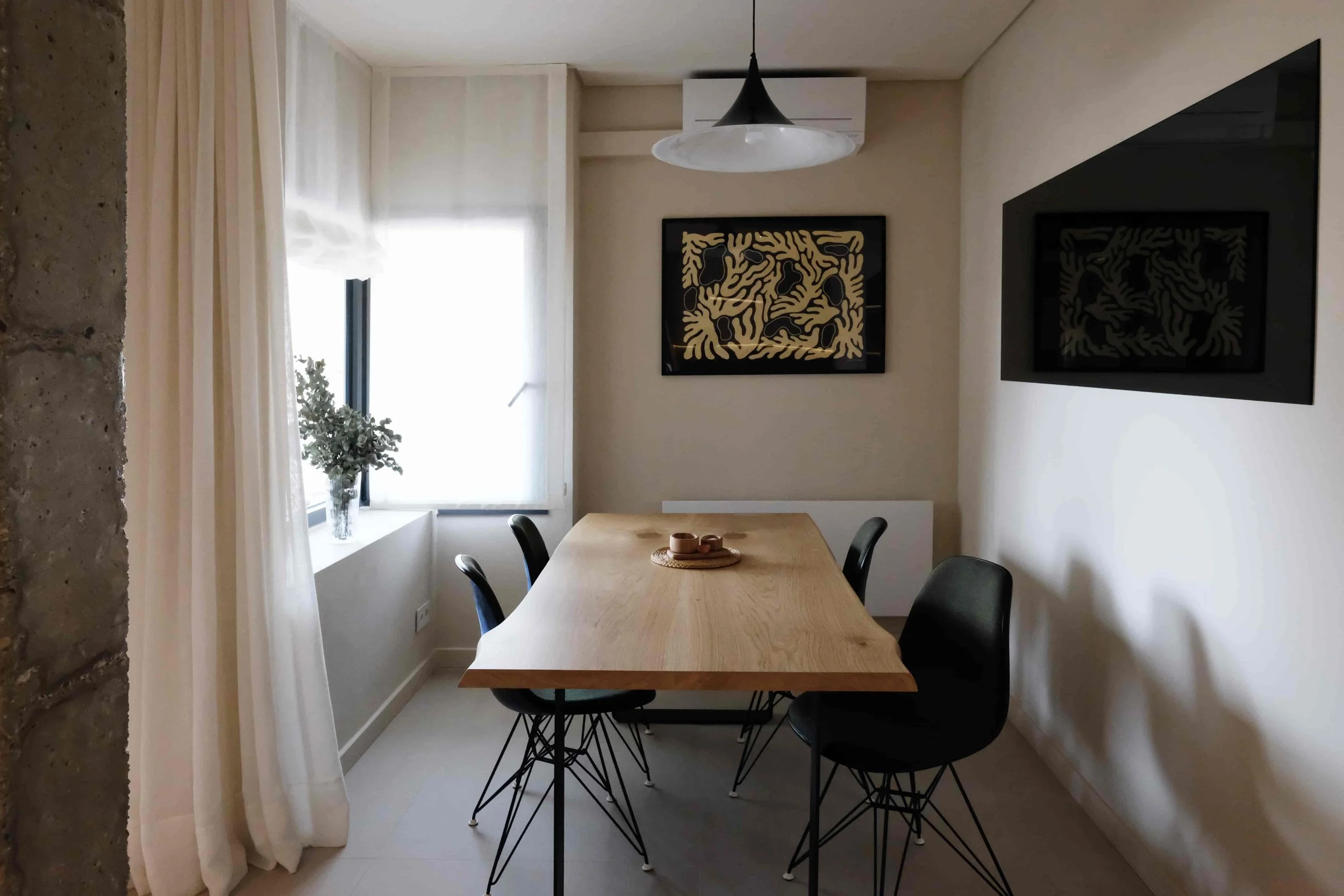
casa costa dining room with handmade oak table by mas fuster, eames chairs by vitra in upcycled plastic and linen curtains by la maison barcelona
7) Lighting and ergonomics as part of the wellness layer
Lighting was treated as comfort infrastructure—not decoration—using a layered strategy across:
Marset (Barcelona, spain)(kitchen pendant, terrace lighting, office/bathroom applications)
Santa & Cole (Barcelona, spain)(portable task/ambient pieces)
FARO (Barcelona, spain) (ceiling fans + ceiling lights)
The home office setup includes an electric sit-stand desk by Humanscale, supporting an ergonomics-led work environment—an increasingly relevant expectation in residential and mixed-use developments.
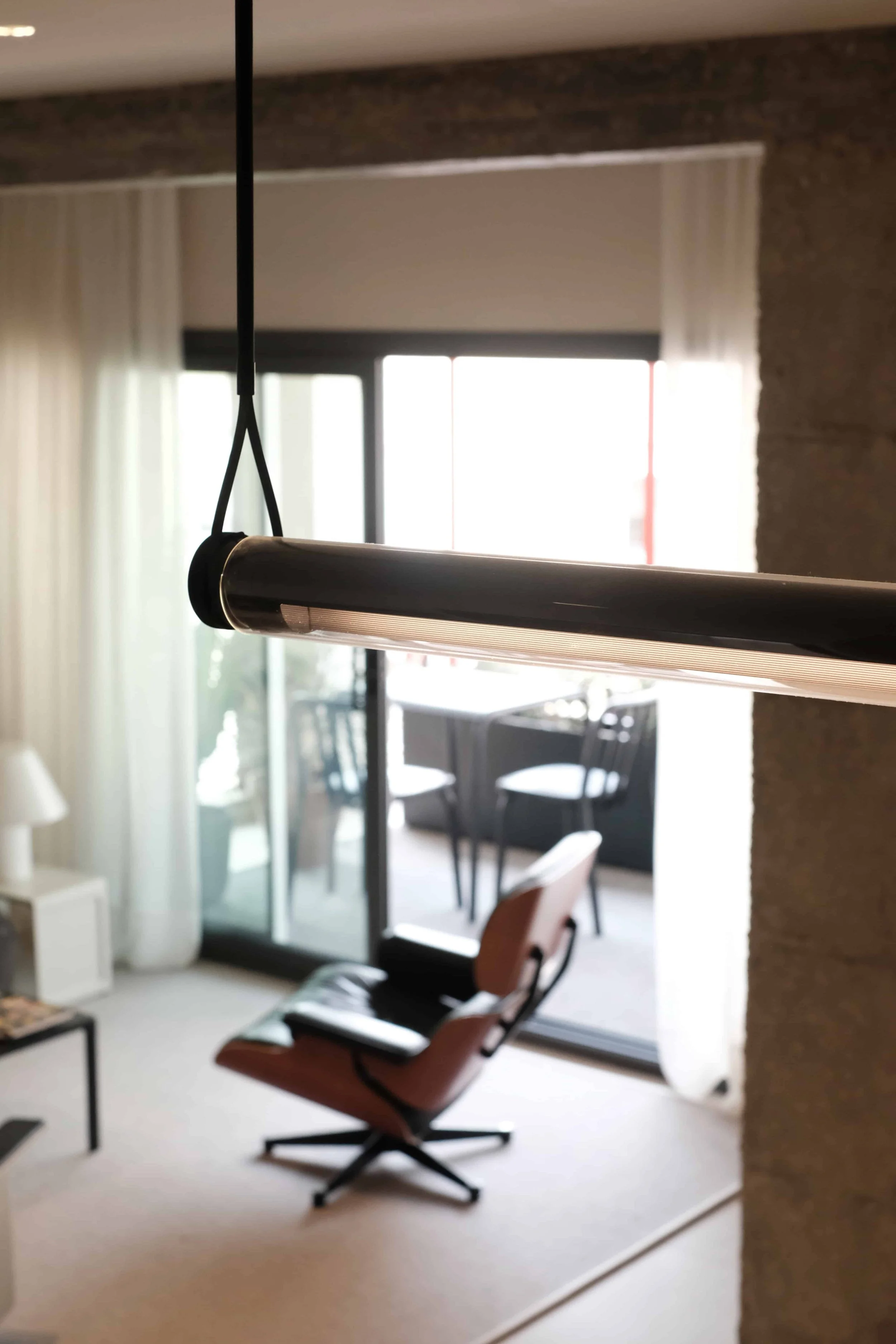
casa costa living room area with Eames lounge chair, cotlin raw area rug, k-line windows, la maison linen curtains
Casa Costa: the transferable framework
If you want to apply the Casa Costa approach to a larger project—residential, hospitality, or workplace—start with these priorities:
Surface finishes first (largest area = biggest impact)
Thermal comfort early (glazing/envelope choices beat decorative upgrades)
Durability as sustainability (reduce replacement cycles)
Wet-area detailing discipline (lower defects, easier maintenance)
Local procurement strategy (accountability + lead-time control)
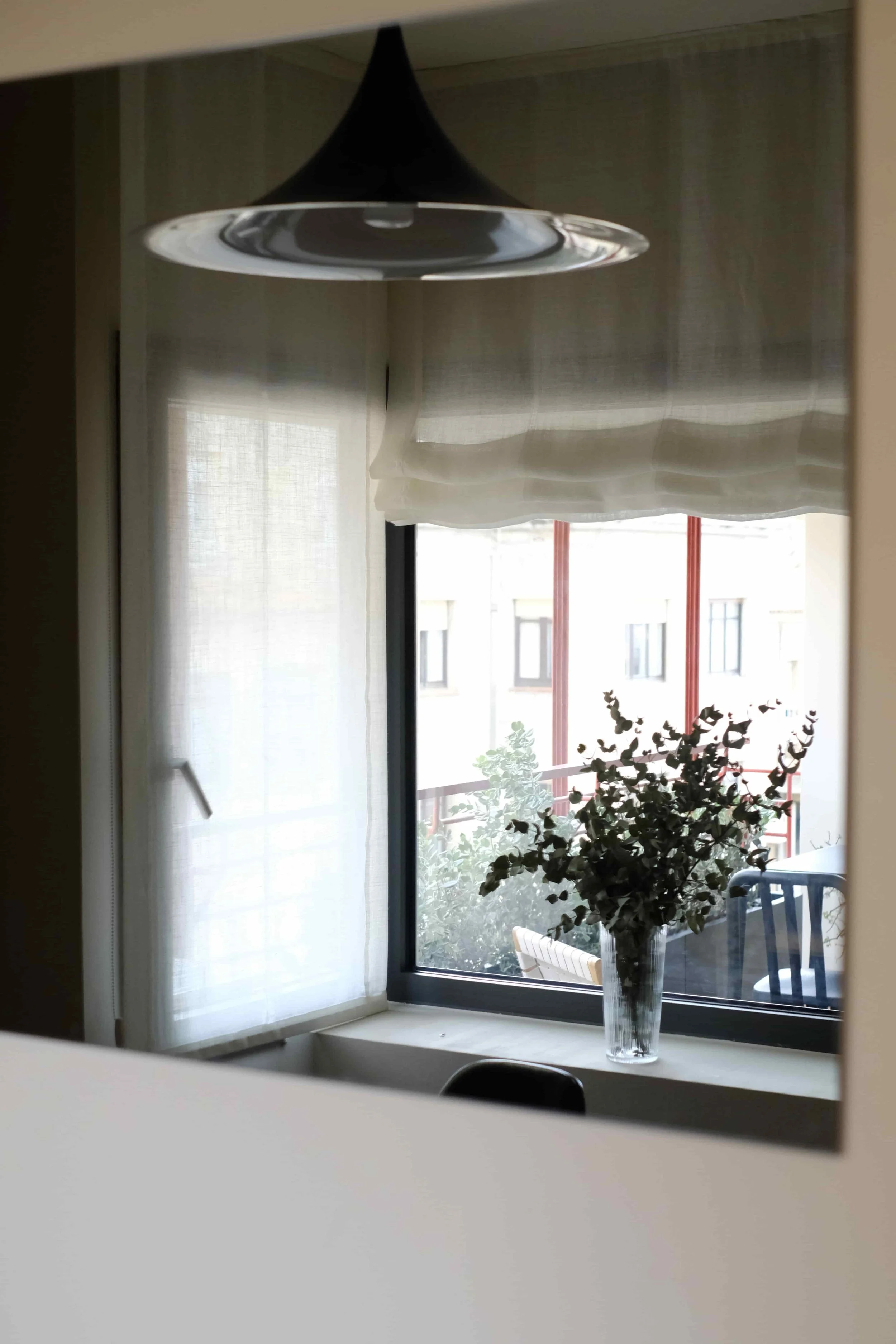
casa costa aluminium windows by k-line, linen blinds by la maison, outdoor chairs and dining table by mobles 114
Next step
If you’re planning a retrofit or new development and want an evidence-aware approach to healthy interiors, durable specification, and local procurement strategy, Biofilico can support from concept through detailed design and procurement-led coordination.
Explore the Casa Costa case study
FAQ
What is a “healthy interiors” retrofit?
A healthy interiors retrofit prioritises material choices, detailing, ventilation/comfort outcomes, and long-life specifications that support better indoor wellbeing—rather than focusing only on visual style.
What materials support healthier interior design?
Typically: mineral-based finishes where appropriate, low-emission adhesives and grouts, durable hard surfaces, and textiles that support comfort and maintenance. Project-specific constraints (budget, programme, availability) matter.
Why does local procurement matter in interior projects?
Local procurement can reduce lead-time uncertainty, speed up issue resolution, improve accountability, and simplify replacements—especially valuable on multi-unit residential and hospitality programmes.
Is sustainable interior design always more expensive?
Not necessarily. Some sustainable decisions reduce costs over time by lowering replacement cycles, reducing defects, and simplifying maintenance. Trade-offs are common; the key is managing them intentionally.