Radiators in healthy homes designed for thermal comfort and sustainability
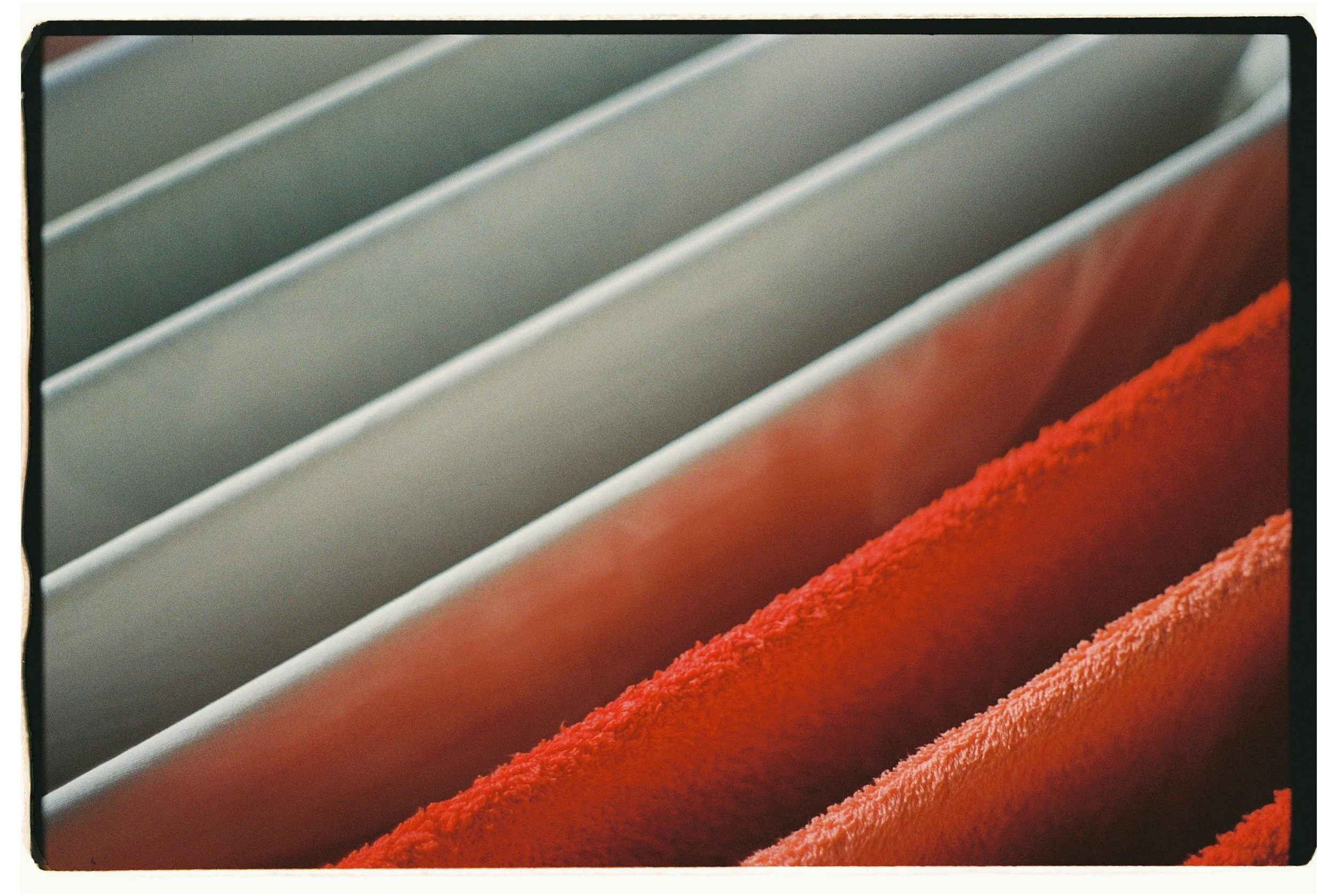
image courtesy of Unsplash
Biofilico perspective: Thermal comfort is a wellbeing issue, not only a heating specification.
In healthy buildings, thermal comfort is closely linked to sleep quality, productivity, mood, and perceived indoor air quality—particularly in winter when homes are sealed up and humidity can rise. Heating choices also influence condensation risk around cold surfaces (often seen at windows, external corners, and behind furniture), which in turn can contribute to mould growth and respiratory irritation.
While this article discusses a specific radiator size (600 x 1000) as one potential upgrade route, the more important takeaway is the decision framework: ensure the heat output is appropriate for the room, improve distribution to reduce cold spots, and pair heating upgrades with basic envelope and ventilation considerations. In retrofit projects, the most sustainable outcomes come from treating heating, ventilation, and materials as a single system—rather than swapping components in isolation.
This is sponsored content. Biofilico advises developers, hoteliers and homeowners on healthy building strategies and wellness-led interiors; the notes above are included to help readers evaluate heating upgrades through a comfort-and-health lens.
As energy efficiency and modern comfort become increasingly pivotal in our homes, the choices we make regarding heating solutions significantly impact both our environment and our monthly bills. Among various heating options, the 600x1000 compact radiator stands out as a smart investment for homeowners looking to optimize their heating system. In this article, we will explore the benefits of upgrading to this specific radiator size and how it can enhance your living space.
The Advantages of Compact Radiators
Space Efficiency
One of the primary reasons homeowners gravitate towards compact radiators is their remarkable space efficiency. Unlike traditional radiators, which can be bulky and take up considerable wall space, the 600x1000 model offers both a sleek design and a compact footprint. This makes it an excellent choice for smaller rooms or tight spaces, where every inch matters.
These radiators are designed not just for functionality but also for aesthetics. They can complement modern interiors, making them an ideal option in contemporary homes. With a design that aligns well with various décor styles, these radiators blend seamlessly into the environment without compromising on heating output.
Optimal Heat Distribution
When upgrading to a 600x1000 compact radiator, one of the noteworthy features is its ability to provide optimal heat distribution. This model's double panel and double convector structure ensure that heat is efficiently released throughout a room, reducing cold spots and maintaining a consistent temperature.
Efficient heating is not merely a matter of comfort; it's also about energy conservation. The faster and more evenly a room heats up, the less energy is consumed. Therefore, investing in a compact radiator doesn’t just improve comfort; it can also lead to lower heating bills in the long run.
Biofilico’s perspective:
Right-sizing and control strategy matter as much as radiator size.
A radiator upgrade performs best when the heat output is matched to the room’s heat loss (insulation level, glazing, orientation, air leakage) and when controls support stable temperatures rather than aggressive cycling. In practice, a comfortable home is usually one with fewer temperature swings, fewer cold surfaces, and better zoning—especially in bedrooms and work-from-home spaces.
Comfort, humidity and condensation are linked—plan accordingly.
In winter, warmer air can hold more moisture; when that moist air meets cold surfaces, condensation forms. If you are upgrading heat emitters, it is also a good moment to check ventilation provision (extract in bathrooms/kitchens, trickle vents where appropriate, and furniture clearances) to reduce mould risk. This is a common pain point in refurbishments, and it sits directly at the intersection of comfort, health, and energy use.
Versatility and Customization
Compact radiators come in various styles and finishes, allowing homeowners to choose options that best fit their needs. Many models, including the sought-after 600x1000 radiator, offer different colors and designs to match any interior theme. This versatility means you don't have to sacrifice style for functionality.
If you are comparing specifications, check the manufacturer’s published heat output (ΔT rating), warranty terms, and installation requirements to confirm the model is suitable for your system temperature and room size. You'll find everything from output efficiency to style variations that can harmonize with other elements in your room. (sponsor link) Browse the full 600x1000 radiator details here.
Eco-Friendly Heating Solutions
Reduced Carbon Footprint
Upgrading to a more efficient radiator system, such as the 600x1000 compact model, is not just a benefit for the homeowner but also for the planet. Traditional heating solutions often waste energy, which contributes to higher carbon emissions. In contrast, modern compact radiators are designed with energy conservation in mind, ensuring that less energy is wasted in the heating process.
Using less energy not only correlates with reduced bills but also reflects a commitment to sustainability. Homeowners are increasingly aware of their environmental responsibilities, and making thoughtful choices in heating systems can contribute to a more eco-friendly lifestyle.
Compatibility with Modern Systems
Another key point is that the 600x1000 compact radiator is highly compatible with modern heating systems, including condensing boilers and heat pumps. Such systems operate more efficiently with low-temperature heating, allowing for improved performance in comparison to older radiators.
By integrating a compact radiator into your current heating system, you can achieve even greater efficiency. This compatibility makes it easier for homeowners to upgrade their heating solution without overhauling the entire system, saving both time and money.
Installation and Maintenance
Simple Installation
Opting for the 600x1000 compact radiator generally involves a straightforward installation process. Many models are designed for quick setup, even for those who may want to tackle this project without hiring professionals. While it’s always advisable to consult a qualified technician where necessary, many users can find they don’t need extensive modifications when replacing older radiators.
Low Maintenance Requirements
In addition to efficiency benefits, compact radiators are often easier to maintain than traditional options. Their sleek designs typically allow for unobstructed airflow, minimizing dust and dirt buildup. Periodic wiping down is usually sufficient to keep them in optimal condition, which means less hassle for homeowners.
Long-Term Cost Savings
While there’s an upfront cost associated with purchasing and installing a compact radiator, the long-term savings on energy bills often outweigh these initial expenditures. Efficient heating means more savings over time. Homeowners can typically expect reduced energy costs in the winter months, offsetting that initial investment substantially.
FAQ
-
Thermal comfort affects sleep quality, concentration, perceived air quality, and overall satisfaction with a space. Stable temperatures and fewer cold surfaces typically feel more comfortable than short bursts of high heat.
-
Not necessarily. Efficiency is driven by correct sizing to the room’s heat loss, good controls, and system design. Oversizing can lead to cycling and uneven comfort.
-
Confirm room heat loss drivers (glazing, insulation, drafts), check pipework locations, and verify compatibility with your boiler or heat pump operating temperatures.
-
They can be, but performance depends on the radiator’s output at lower flow temperatures and whether the room’s heat demand is reduced via insulation and airtightness measures.
-
Indirectly, yes—more even heat distribution can reduce cold spots. However, condensation and mould are also strongly influenced by ventilation, humidity generation, and cold bridging, so a combined approach is best.
-
Zoning supports stable comfort in the rooms you actually use, reducing overheating and energy waste. Smart or programmable thermostatic radiator valves can improve comfort consistency.
-
Yes. Placement can influence drafts, cold downdraughts near glazing, and how evenly heat is distributed. Furniture layout and curtain lengths also matter.
-
Avoid finishes that off-gas excessively when warmed, maintain cleanable surfaces to reduce dust accumulation, and allow airflow around emitters to prevent hotspots and dust burn.
-
Typically: reduce demand (insulation/airtightness), ensure ventilation is appropriate, then optimise heating emitters and controls—so you are not “heating the problem.”
-
If you are changing system temperatures, moving pipework, switching to a heat pump, or addressing repeated condensation/mould issues, professional assessment is recommended.
Conclusion
Upgrading a heat emitter (for example to a 660x100 compact radiator) can be a sensible step in improving comfort and reducing winter energy waste, particularly when it is paired with good controls and a basic check of ventilation and condensation risk.
If you are planning a refurbishment, the strongest outcomes typically come from treating thermal comfort, air quality, and material choices as one integrated healthy-home strategy.
Biofilico supports wellbeing-led interior and healthy building decisions across residential, hospitality and workplace projects—helping clients prioritise comfort, performance and long-term value.