Recovering From a Disaster: What to Do Differently as a Homeowner (So You Rebuild Healthier)
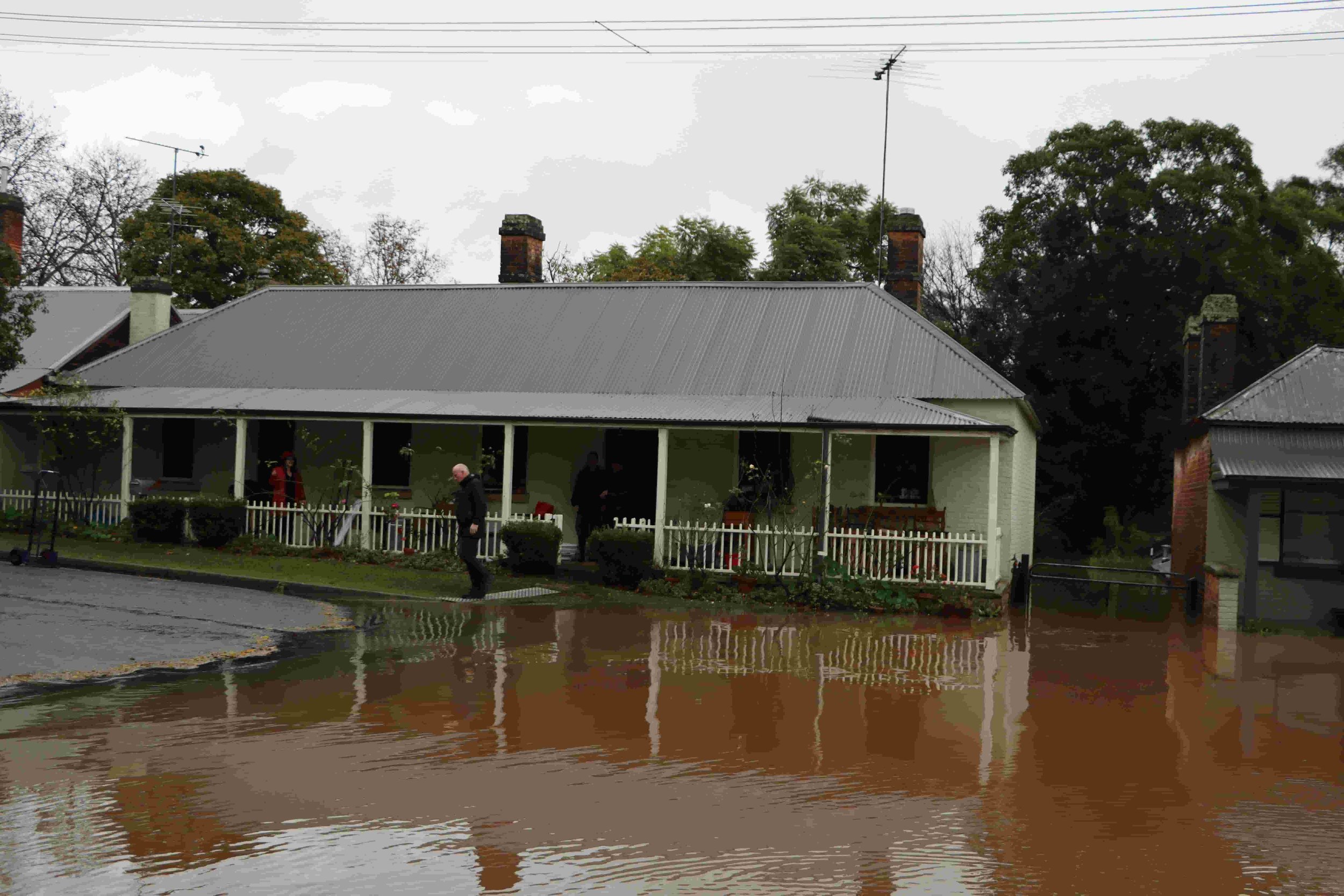
image courtesy of unsplash
You return from a trip and discover a nightmare: a leak, a flood, smoke damage, storm debris—your home is suddenly unlivable, and decisions feel urgent.
The instinct is to start fixing immediately. But when you rebuild too quickly, you can lock in the very risks that caused the damage in the first place—especially hidden moisture, mold, and compromised indoor air quality.
The stakes are rising. In the U.S., 2024 natural-disaster economic losses were reported at roughly $217.8B, and globally, insured losses in the first half of 2025 reached around $80B—a reminder that extreme events (and their costs) are accelerating.
What follows is a smarter approach: recover first, then rebuild for health and resilience.
1) Stabilise the home first (before you “renovate”)
Before you choose finishes, furniture, or layouts, prioritise stabilisation:
Stop the source (water ingress, electrical risk, smoke contamination pathways).
Isolate affected areas to prevent cross-contamination (especially in HVAC-connected homes).
Document everything for insurers and contractors: photos, moisture readings, written timelines.
This phase isn’t glamorous—but it prevents the most common mistake: rebuilding over a problem that’s still active.
2) Use professional restoration to protect indoor air quality
DIY cleanup can be tempting, but disaster recovery is as much about health as it is about appearance—particularly after flooding or prolonged leaks.
Professional disaster restoration & cleaning is worth the investment for three main reasons:
Hidden moisture (the mold risk you can’t see)
Even when surfaces feel dry, moisture may remain trapped in subfloors, wall cavities, insulation, or cabinetry. Pros commonly use thermal imaging and moisture meters to locate residual moisture and guide drying.
Material safety (what should be removed vs. saved)
Porous materials—some insulation types, particleboard, soft furnishings—often hold contaminants and moisture. Keeping them can create ongoing odor and IAQ issues.
Contamination and fine particulates
Floodwater can include sewage, chemicals, and bacteria. Smoke damage can leave persistent particulates and VOCs. If you’re considering a provider, look for explicit protocols around containment, HEPA filtration, and clearance testing.
If you’re comparing vendors, services marketed as disaster restoration and cleaning (such as those provided by companies like Disaster Masterz) should be evaluated on process, not just speed—equipment, disinfection methodology, and whether they can demonstrate dryness and cleanliness before rebuild.
3) Rebuild for resilience, not just “back to normal”
Once your home is dry, clean, and stable, the rebuild phase is an opportunity to correct vulnerabilities revealed by the event:
Fix the weak points at the source
Examples:
Wind-driven rain entering around window/door interfaces
Floodwater backflow through drains
Roof detailing failures at penetrations and parapets
Poor site drainage around the foundation
A “make-good” refurb often repeats the same failure. A resilience-led rebuild removes the cause, not just the evidence.
Upgrade assemblies and details (quietly, but meaningfully)
Resilience doesn’t have to look industrial. Often it’s simple detailing choices:
Better waterproof membranes and flashing details
More robust roof and wall assemblies
upgrade your materials. If a storm ripped off your shingles, don’t replace them with the same old grade. Choose ones rated for higher winds and talk to a window and door contractor about impact-rated glass and reinforced frames.
Some suppliers and contractors (including firms like Florida Keys Windows, where relevant to your region) emphasise that better-performing openings can improve security and comfort while maintaining aesthetics. The key is to specify performance criteria appropriate to your local hazard profile.
Why this investment typically pays back
Research frequently cited by resilience groups suggests that investing in preparedness and resilience can significantly reduce future losses—one study widely referenced claims $1 invested can save around $13 in avoided damages and economic impact (the exact ROI varies by scenario and location).
4) Elevate and protect critical systems
If you’re in a flood-prone area—or if stormwater events are becoming more frequent—protecting critical systems can reduce downtime dramatically:
Electrical: raise outlets, switches, and panels above anticipated flood levels
HVAC: elevate outdoor units; protect vulnerable ductwork runs
Backup power: consider a safe, elevated provision for generator hookup or battery storage
Mechanical ventilation: ensure systems can be shut off/isolated during events and restarted safely
In the U.S. context, standards such as ASCE/SEI 24-24 set minimum requirements for flood-resistant design and construction in flood hazard areas and influence how professionals approach elevation, materials, and floodproofing.
(If you’re outside the U.S., the principle still applies: align with local flood and building regulations and design for current—not historic—risk.)
5) Rebuild sustainably—because “green” can also be more resilient
Sustainability is often framed as a climate issue, but after a disaster it becomes intensely practical: durability, maintainability, and healthier interiors.
Consider:
Lower-tox, healthier finish packages
Low/zero-VOC paints, sealants, and adhesives
Formaldehyde-reduced or no-added-formaldehyde boards
Floor systems that tolerate moisture better (where appropriate)
These choices can reduce lingering chemical load—important when a home is already under IAQ stress post-event.
Moisture-smart materials and assemblies
Better vapor management in walls and floors
Materials that dry predictably and don’t trap moisture
Detailing that avoids hidden cavities with persistent damp risk
Energy resilience
Solar + battery backup can maintain critical loads during grid outages
Better insulation and airtightness can stabilise indoor comfort during disruptions
Some insurers are increasingly recognising risk-reducing upgrades (often referred to as resilience-oriented incentives or discounts), though availability and criteria vary widely by region and provider.
6) Don’t skip “handover”: test, verify, and document
A healthy rebuild is one you can validate. Before you move back in (or before final payment milestones), ask for:
Moisture readings and drying verification
Evidence of containment/HEPA filtration during works (if applicable)
HVAC cleaning/verification where smoke, soot, or mold risk existed
A simple maintenance plan (filters, humidity targets, seasonal checks)
This isn’t bureaucracy—it’s how you avoid “mystery smells,” recurring mold, and costly callbacks.
Final thoughts
Disasters are disruptive—but they also reveal what matters most in a home: safety, comfort, and long-term performance.
If you take one lesson from the aftermath, make it this: recover deliberately. Stabilise first. Restore properly. Then rebuild with a focus on resilience + healthy indoor environments, so your home returns not only repaired—but improved for the years ahead.
FAQ
-
Stop the source, isolate the area, document the damage, and begin professional-grade drying as soon as safely possible to reduce mold risk.
-
The essentials are fast drying, removal of saturated porous materials where necessary, containment, and verification (moisture readings) before rebuild.
-
Moisture-smart assemblies, robust openings and detailing, protected/elevated critical systems, and backup power provisions—tailored to the local hazard profile.