Blocked Drains and Healthy Homes: When to Call an Expert
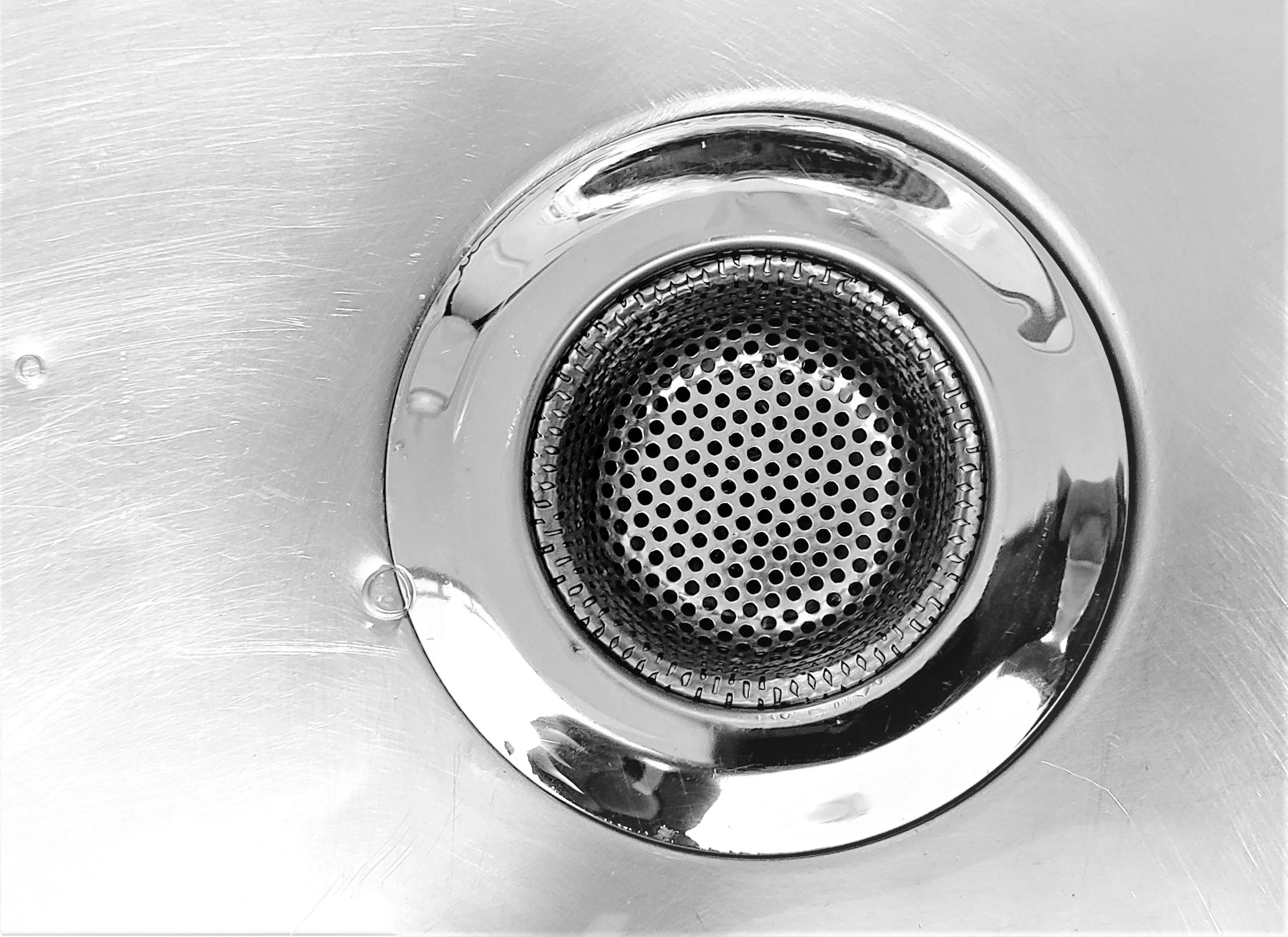
Image courtesy of Unsplash
Biofilico perspective: Drainage issues are not only inconvenient—they can become indoor air quality and moisture problems.
Blocked drains can contribute to persistent odours, elevated humidity, and in severe cases, water ingress that damages finishes and increases mould risk. From a healthy home and building-performance standpoint, the goal is early detection and fast resolution—particularly when backups, recurring clogs, or unexplained smells indicate a deeper issue in the system.
The guidance below highlights common warning signs, practical prevention habits, and when professional inspection is the safest and most cost-effective path. (Sponsored content)
Simple Signs Your Home Needs Expert Help with Blocked Drains
Blocked drains can be one of the most frustrating household issues. Often, they arrive unannounced, leading to inconvenience and potential damage. While small clogs might seem manageable with a bit of DIY effort, there are clear indicators that signal the need for expert help with blocked drains. Recognizing these signs early can save you from more severe problems and restore the efficiency of your plumbing system.
Common Signs of Blocked Drains
Slow Draining Water
Have you noticed that your sink, shower, or bathtub drains water at a snail's pace? This is often the first noticeable sign that something is wrong. Slow drainage typically indicates a buildup of debris, grease, or hair in the pipes, but when it becomes consistently bothersome, it's time to take action. If the slow draining persists after a thorough cleaning, professional assessment is essential, as it may point to deeper issues in the plumbing network.
Unpleasant Odors
Foul smells emanating from your drains can be a telltale sign of a blockage. Such odors often result from stagnant water or decomposing organic material trapped in the pipes. If regular cleaning doesn’t eliminate the smell, a professional can diagnose the problem more effectively. They have the tools and expertise to investigate the source of the odor and eliminate it, ensuring your home remains fresh.
Why this matters for healthy interiors.
Odours can signal trapped organic material and stagnant water. Beyond comfort, persistent smells can indicate conditions that support microbial growth—particularly if there is any leakage into cabinets, wall voids, or floor build-ups. If an odour persists despite basic cleaning, it is sensible to treat it as a building-health issue, not merely a nuisance.
Gurgling Sounds
Occasional gurgling noises from your sink or toilet are normal, especially after a heavy flush or while washing dishes. However, if these sounds become frequent or more pronounced, it could indicate an issue with the drain. Gurgling often signifies that air is trapped in the plumbing due to an obstruction. This is a sign that you should consult professionals as it can lead to further complications if not addressed.
Water Backups
Water backing up into your sink, shower, or toilet is one of the most alarming signs of a serious blockage. This scenario often results from severe clogs further down the line that prevent water from flowing freely. Experiencing backups could also lead to water damage, which can become costly if not handled swiftly. If you notice backups more than once, consider seeking expert help with blocked drains to ensure that the issue is resolved before escalating into a larger problem.
Act quickly to reduce secondary damage.
Backups can saturate joinery, skirtings, and floor layers quickly—especially in bathrooms, kitchens, and utility areas. If water has escaped the plumbing system, prompt drying and inspection helps reduce the risk of lingering damp and mould, and protects the longevity of interior finishes.
Frequent Clogs
If you find yourself repeatedly addressing clogs in the same drain, it’s a clear signal that there’s an underlying issue at play. Toilets, sinks, and tubs can become frequently blocked due to an accumulation of foreign objects or grease. While you might be able to resolve some clogs yourself using a plunger or drain cleaner, persistent clogs indicate that the affected drainage system requires a deeper evaluation. A professional can investigate potential causes such as tree roots invading pipes or incorrect plumbing installation.
Seasonal Changes and Their Effects on Drains
It’s also vital to pay attention to how seasonal changes impact your drains. For example, during autumn, leaves can easily fall into outdoor drains, leading to blockages. Alternatively, winter weather can cause pipes to freeze and expand, potentially leading to cracks. If you're experiencing issues that seem to correlate with seasonal changes, it may be prudent to consult an expert. They can provide a seasonal maintenance strategy to ensure that your drainage system runs smoothly year-round.
The Role of Preventative Maintenance
While it's crucial to recognize the signs that your home needs professional help, proactive maintenance can go a long way in preventing major issues down the line. Regular cleaning, using drain guards, and being cautious about what goes down the sink can minimize the chances of a blockage.
Simple Preventative Tips
• Use Drain Screens: Install drain screens in your sinks and bathtubs to catch hair and larger particles.
• Avoid Pouring Grease Down the Drain: Instead, let it cool and dispose of it in the trash.
• Run Hot Water: Periodically running hot water through your drains can help dissolve grease that may have built up over time.
• Regularly Flush With Vinegar and Baking Soda: This natural method can help keep your pipes clear of minor buildups.
By taking simple preventative measures, you can extend the life of your plumbing system and save yourself time, money, and stress.
How Experts Can Help
When you notice any of the warning signs above—particularly repeated backups or recurring clogs—professional drainage support can help identify root causes (e.g., buildup, pipe damage, or external ingress) and reduce recurrence. Sponsor resource: Flowise drainage services.
Comprehensive Services
Professional drainage services may offer a range of solutions, including:
• CCTV Drain Surveys: For an in-depth look at the condition of your pipes.
• High-Pressure Jetting: To eliminate stubborn blockages.
• Pipe Relining: A less invasive method of repairing damaged pipes.
• Routine Maintenance Plans: To prevent future issues.
Each home’s plumbing is unique, and a tailored approach from professionals can assure comprehensive solutions rather than one-size-fits-all fixes.
FAQ: Blocked drains, moisture risk and prevention
-
They can be. Persistent odours and damp conditions can degrade comfort and may increase mould risk if leaks or backups wet surrounding materials.
-
Recurring clogs in the same location, frequent gurgling, multi-fixture slow drainage, or any backup event suggests a deeper restriction or system issue.
-
Grease/fats, wipes (even “flushable” ones), coffee grounds, and excessive food residue are common contributors to buildup.
-
Yes—particularly if water escapes into cabinetry, floor build-ups, or wall voids and is not dried quickly.
-
It can be a short-term measure for minor issues, but repeated use may not address root causes and can be harsh on some systems. Persistent problems warrant professional inspection.
-
Common methods include camera inspection (CCTV surveys) and targeted cleaning (e.g., jetting), which can identify damage, ingress, or chronic buildup.
-
Drain screens, grease disposal habits, periodic hot-water flushing (where appropriate), and maintenance checks—especially in autumn/winter and in older buildings.
-
Stop using affected fixtures, protect nearby finishes, ventilate and dry the area, and arrange inspection—particularly if the issue repeats.
Conclusion
Blocked drains are easiest to resolve when caught early. If you notice slow drainage, persistent odours, gurgling, recurring clogs or any backups, addressing the root cause promptly can protect comfort, interior finishes and long-term building health—while reducing the likelihood of repeat disruption.