Roof Windows in Attic Conversions: Light, Ventilation and Comfort
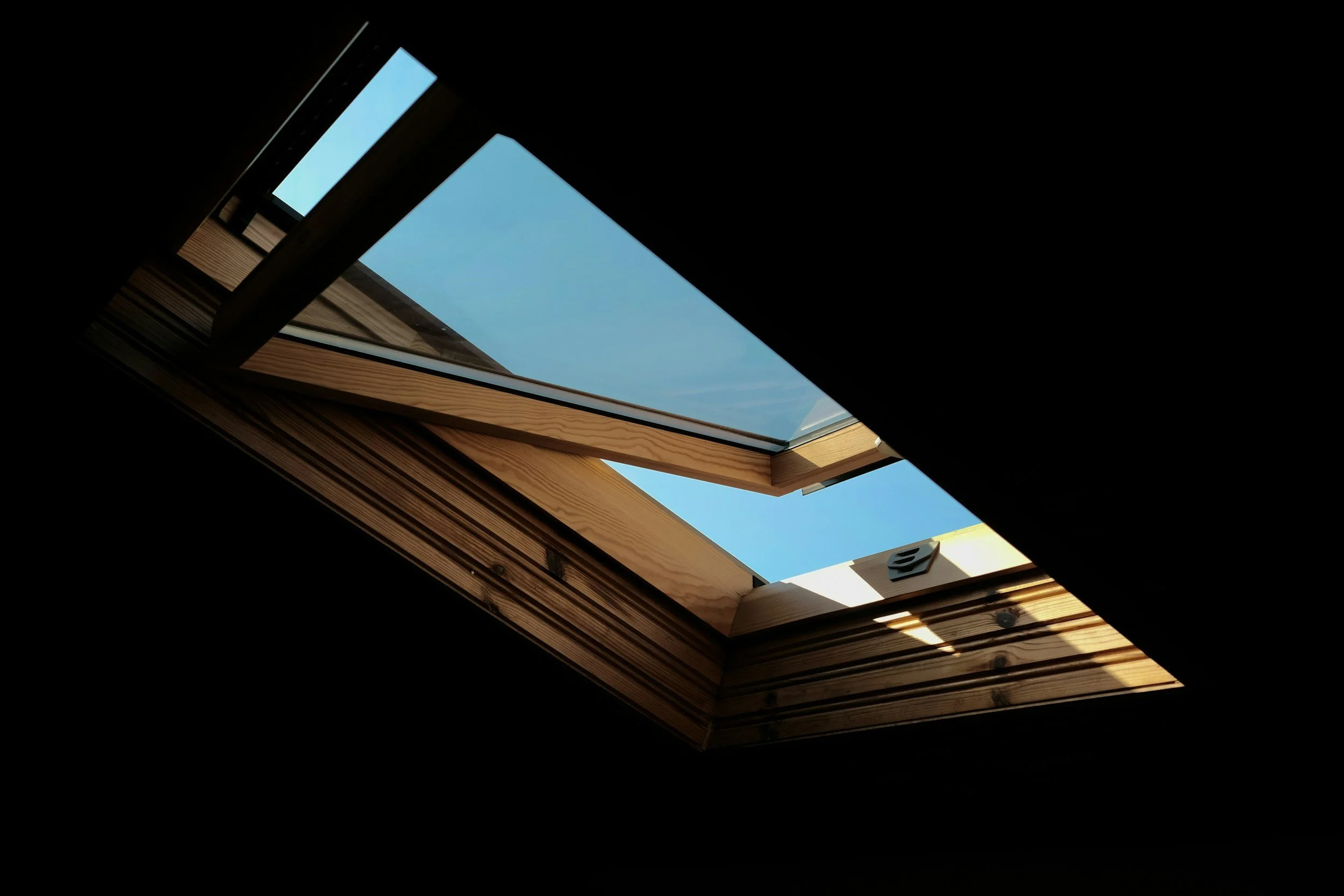
image courtesy of unsplash
Biofilico perspective: Roof windows are a high-impact upgrade for wellbeing in attic conversions.
Attics can become exceptional living spaces when daylight and fresh air are treated as foundational design inputs rather than afterthoughts. Roof windows can improve perceived spaciousness, support circadian-friendly light exposure, and enhance comfort by enabling purge ventilation—particularly valuable in upper-floor rooms that are prone to overheating.
From a healthy building perspective, the objective is balanced performance: adequate daylight without glare, effective ventilation without drafts, and detailing that helps manage humidity to reduce condensation and mould risk.
The ideas below explore ways to transform an attic using roof windows, alongside practical considerations to help the space feel calm, functional and comfortable year-round.
Creative Ways to Transform Your Attic With Roof Windows
Attics often remain underutilized spaces in many homes, serving mainly as storage for forgotten items rather than being celebrated as an extension of your living area. However, with some creative thinking and thoughtful design, your attic can be transformed into a vibrant, functional space that adds value to your home. One of the most effective changes you can make is incorporating roof windows. These windows not only enhance natural light but also improve ventilation and create a more inviting atmosphere.
The Benefits of Roof Windows
Before diving into innovative ideas for your attic, it's crucial to understand the benefits of roof windows.
Natural Light and Ventilation
Natural light has an extraordinary ability to affect our mood and perception of space. Well-placed roof windows flood your attic with light, making it feel larger and more open. Furthermore, they facilitate ventilation, helping to keep the attic cool in the summer and preventing potential issues like mold due to humidity.
Daylight quality matters as much as daylight quantity.
In attic rooms, direct sun can be both a benefit and a challenge. Plan for glare control (especially for desks and screens) and consider shading strategies so the room remains comfortable in summer. A well-designed roof window approach typically combines daylight access with controllable shading and ventilation—helping you avoid the common attic conversion problem of a space that looks bright but feels too hot or visually uncomfortable.
Enhanced Aesthetics
Roof windows can also serve as a stunning design element. They offer a unique architectural feature that can enhance the visual appeal of your home both from the inside and outside. Picture enjoying a starry night or a sunny morning from your cozy attic space; it's an experience that simply can't be replicated with standard windows.
Innovative Ideas for Your Attic with Roof Windows
1. Create a Cozy Reading Nook
Attics often offer quiet and privacy, making them perfect for a reading nook. By installing roof windows, you can create a serene space bathed in natural light, ideal for curling up with your favorite book. Consider adding built-in shelving to store books, a comfortable chair, and perhaps even a small table. This setting can become your personal sanctuary, away from the hustle and bustle of daily life.
2. Transform It into a Home Office
With remote work becoming more common, having a dedicated workspace at home is essential. Roof windows can make your attic office feel vibrant and energizing, boosting productivity. Consider placing your desk near the windows to enjoy views and natural light while working. Adding greenery can further enhance the atmosphere and help you feel more connected to nature.
3. Design a Craft Room
Creativity thrives in well-lit environments. If you enjoy arts and crafts, why not turn your attic into a craft room? With roof windows, you can have the perfect space for painting, sewing, or any other craft pursuits. Ensure you have ample storage for your supplies and a large work table. Natural light can greatly affect the colors in your projects, making roof windows an essential feature.
4. Add a Guest Room
If you frequently entertain guests, converting your attic into a guest room can be a fantastic solution. Roof windows will make the space feel inviting and spacious. By incorporating comfortable furnishings, you can create a cozy retreat for visitors. Consider adding a small en-suite bathroom if the layout allows it; this adds a nice touch of comfort and privacy.
Plan the “sleep and comfort” fundamentals if the attic will be used as a bedroom.
Bedrooms benefit from stable temperatures, good night-time darkness, and fresh air. If your attic will be used for sleeping, ensure roof windows can support evening ventilation, and consider blinds that meaningfully reduce early-morning light where needed. Detailing and insulation continuity around openings is also important to minimise cold-surface condensation in winter.
5. Set Up a Playroom for Children
Attics can become magical spaces for children. With creative design and roof windows, this area can be transformed into a playroom filled with light and joy. Install colorful rugs, cushions, and storage solutions for toys, and let the kids enjoy their little paradise. The bright environment can stimulate imagination and offer hours of fun with friends.
Choosing the Right Roof Windows
When selecting roof windows, confirm compatibility with roof pitch, insulation strategy, glazing specification and ventilation needs. Sponsor resource: products for angled roof openings.
6. Build a Home Gym
Embarking on a fitness journey can be much easier with a designated space. An attic can be transformed into a home gym with the right roof windows. The additional natural light can make workouts more enjoyable, and good ventilation is crucial for comfort during exercise. Whether you want yoga mats, free weights, or even a stationary bike, your attic can become an energizing fitness hub.
Final Touches
Once you've decided on the purpose of your attic, enhancing its design can make a significant difference. Here are a few tips to consider:
• Use Light Colors: Light paint and furnishings can help amplify the effect of natural light.
• Incorporate Mirrors: Mirrors can create an illusion of more space and bounce light around the room.
• Focus on Flooring: Choose flooring that is comfortable and complements the overall aesthetic, like soft carpeting for a cozy feel or laminate for a sleek modern look.
FAQ: Roof windows in attic conversions
-
Yes—primarily through increased daylight and improved ventilation potential, which can reduce stuffiness and improve perceived spaciousness.
-
Combine glazing selection with controllable shading (blinds/external shading where possible) and plan for purge ventilation, particularly in the evening.
-
Position screens perpendicular to the main light source and specify blinds that diffuse light rather than only darken it, depending on use.
-
They can support better ventilation and drying, but mould prevention also depends on insulation continuity, airtight detailing and humidity management.
-
Prioritise night-time ventilation, effective blackout where needed, and stable thermal performance. Comfort and sleep quality should drive the specification.
-
They can. Glazing specification and installation detailing influence external noise transmission; consider acoustic needs if the home is in a noisy area.
-
It depends on room size, orientation, and desired daylight level. Aim for balanced light distribution rather than a single intense light source.
-
Under-specifying shading, ignoring overheating risk, and poor detailing around openings that leads to drafts or condensation.
Conclusion
Roof windows can be one of the most effective interventions in an attic conversion—unlocking daylight, ventilation and a stronger sense of connection to the outdoors. With careful specification and comfort-focused detailing (shading, insulation continuity, and ventilation planning), an attic can become a high-quality living space that supports wellbeing and adds long-term value.