Green Upgrades That Help Homes Sell: A Colorado Climate Example
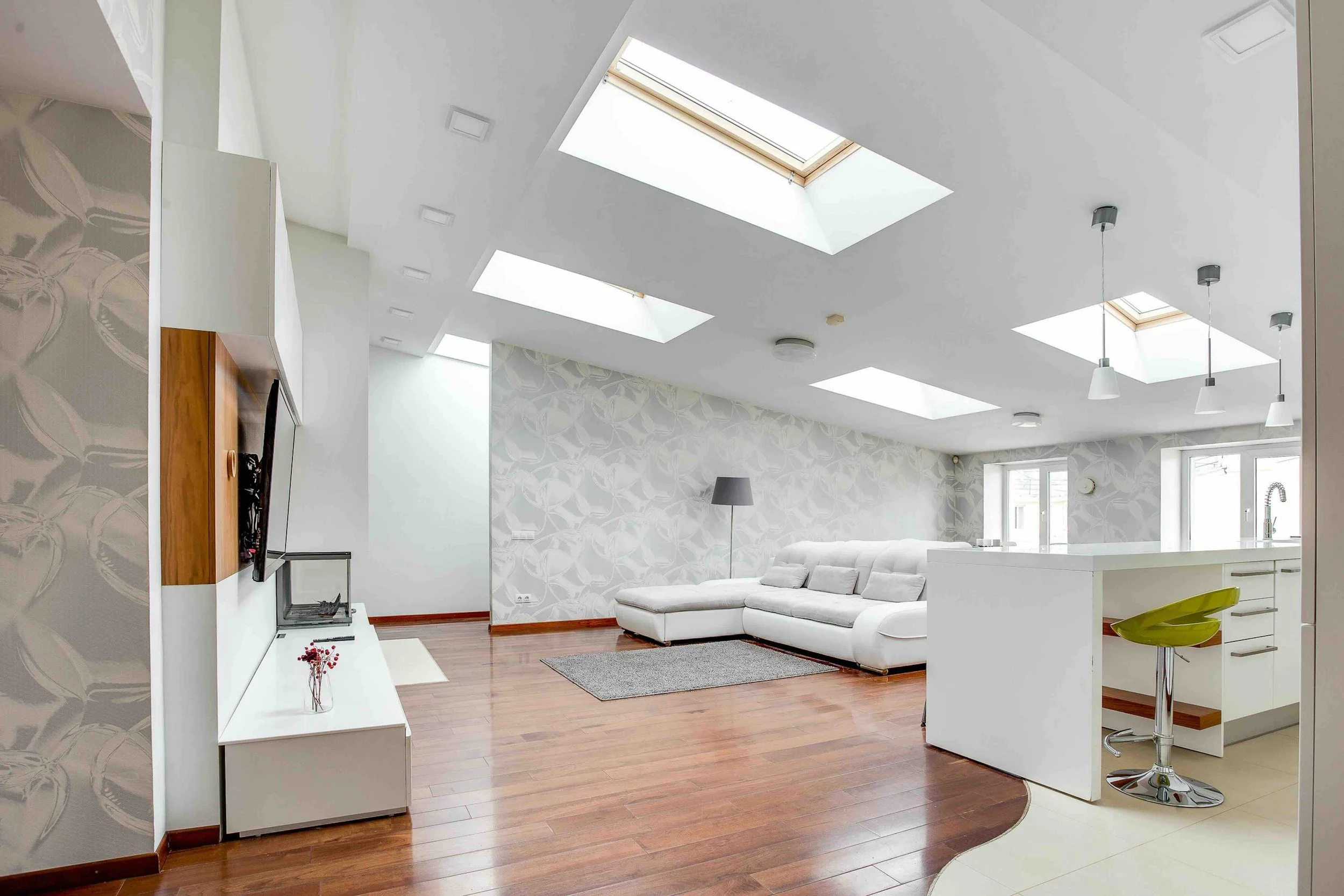
Photo by Алан Албегов
Biofilico perspective: “Green upgrades” sell best when they are felt as comfort and health, not only stated as sustainability.
When buyers walk through a home, they respond immediately to comfort signals: stable temperatures, good daylight, low odours, quiet interiors, and a sense that the building performs well.
The most credible green upgrades therefore tend to be those that improve both operational efficiency and lived experience—better insulation and airtightness, reliable low-energy heating/cooling, water efficiency, and healthier interior finishes such as low-VOC paints and responsibly sourced materials.
The overview below highlights common improvement areas that buyers increasingly recognise as practical, future-ready value—especially in climates with significant seasonal temperature swings.
Sponsored content:
Selling a home in Colorado means appealing to buyers who care about efficiency, sustainability, and long-term affordability. With rising energy costs and growing environmental awareness across the state, green upgrades have become a powerful way to attract buyers and shorten time on the market. Homes that demonstrate energy efficiency and responsible resource use often stand out in competitive listings and inspire greater buyer confidence.
From urban areas like Denver to mountain communities and suburban neighborhoods, environmentally friendly improvements help sellers position their homes as modern, comfortable, and future-ready.
Why Green Upgrades Matter to Colorado Buyers
Colorado buyers are particularly mindful of how a home performs throughout the year. Harsh winters, warm summers, and rapid weather changes make energy efficiency more than a luxury—it’s an expectation. Green upgrades signal that a property has been thoughtfully maintained and is prepared for the state’s climate.
Buyers are drawn to homes that promise lower utility costs, improved comfort, and fewer immediate upgrades after purchase. These benefits often translate into quicker offers and fewer objections during negotiations.
Energy-Efficient Windows and Insulation
Energy-efficient windows and upgraded insulation are among the most impactful improvements a seller can make. In Colorado, heating and cooling expenses add up quickly, and buyers pay close attention to how well a home retains heat in winter and stays cool in summer.
Well-insulated homes feel more comfortable during showings and perform better during inspections. When buyers see modern windows and proper insulation, they gain confidence that the home will be affordable to maintain and resilient against seasonal temperature swings.
Healthy building note: insulation and airtightness also influence indoor environmental quality.
Beyond reducing bills, well-detailed insulation and draught reduction can improve comfort by reducing cold surfaces and drafts—two factors that can contribute to condensation risk in winter. Where upgrades are planned, it is also important to ensure ventilation remains appropriate so air stays fresh while the building envelope performs better.
High-Efficiency Heating and Cooling Systems
Heating systems play a major role in buyer decision-making. Colorado buyers want reassurance that furnaces and HVAC systems are reliable, efficient, and not nearing the end of their lifespan.
High-efficiency furnaces, modern heat pumps, and smart thermostats demonstrate that a home is designed to use energy responsibly. These upgrades reduce monthly expenses and remove the fear of costly replacements shortly after closing.
For Colorado based homeowners who prefer not to complete upgrades before selling, some markets offer “sell as-is” routes that prioritise speed and certainty over refurbishment. See these options for a faster, simpler sale.
Water Efficiency in a Dry Climate
Water efficiency is becoming increasingly important in Colorado, especially in areas affected by drought conditions and conservation guidelines. Buyers often appreciate homes that already incorporate water-saving features.
Low-flow fixtures, efficient appliances, and water-conscious landscaping reduce monthly bills and ongoing maintenance. Homes with these features appeal to buyers who want practicality without sacrificing comfort or aesthetics.
Solar Energy and Renewable Features
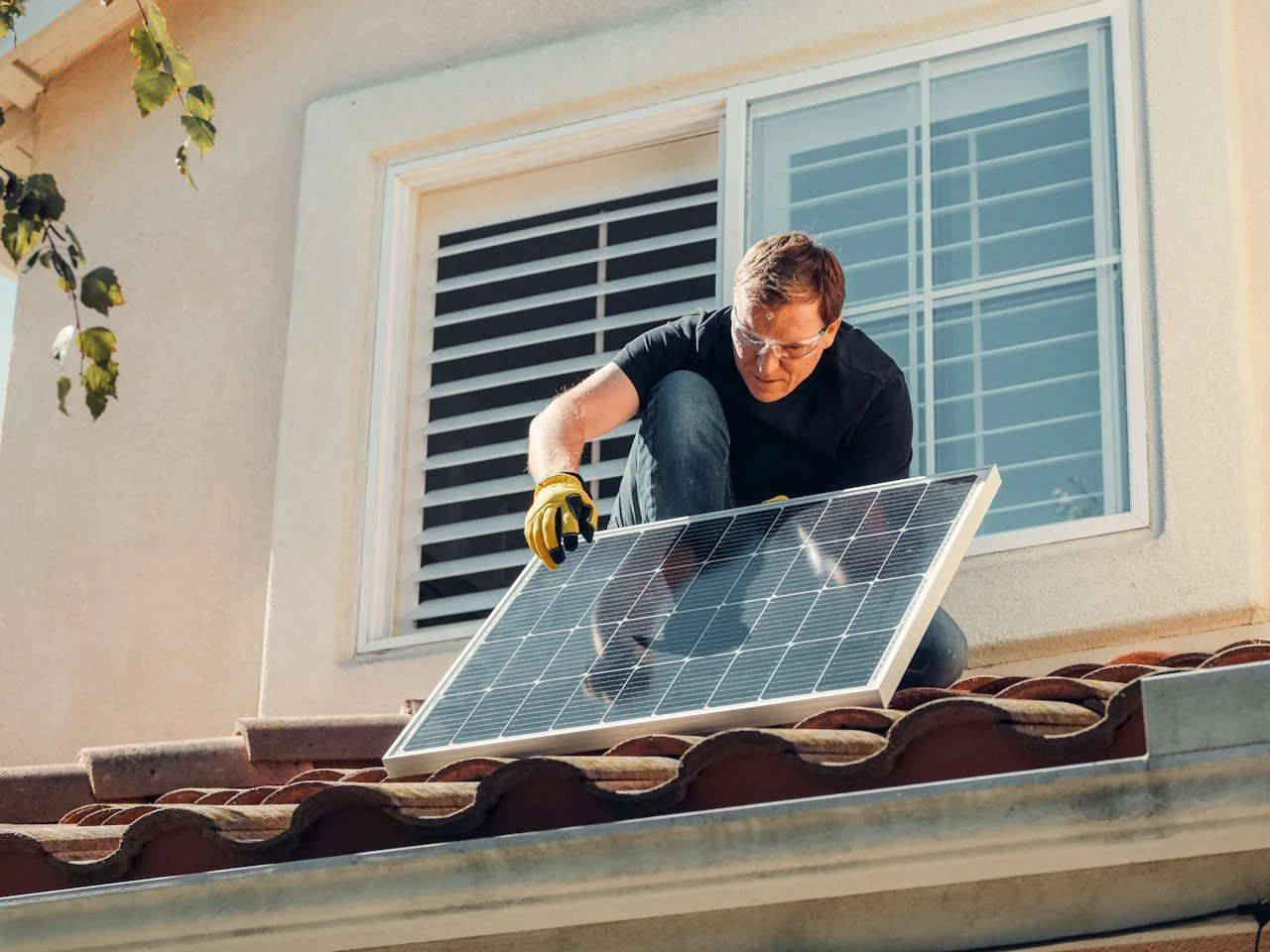
Photo by Kindel Media
Solar panels and renewable energy options continue to gain traction across Colorado. With abundant sunshine and increasing awareness of long-term energy costs, buyers often view solar-equipped homes as a forward-thinking investment.
While solar panels may not appeal to every buyer, they can be a strong differentiator in many markets. Even partial upgrades or solar-ready features can make a home more attractive to environmentally conscious buyers.
Eco-Friendly Interior Materials
Interior finishes also play a role in green home appeal. Buyers are increasingly interested in healthier living environments, which has led to greater demand for eco-friendly materials.
Sustainable flooring, low-VOC paints, and responsibly sourced materials create a clean, modern feel while improving indoor air quality. These upgrades subtly enhance a home’s value by aligning with current design and health trends.
Low-VOC finishes are increasingly a buyer expectation—particularly after refurbishment.
Fresh paint, new flooring and adhesives can be sources of lingering odours and irritants if products are not specified carefully. Using low-VOC paints and transparent material specifications supports a cleaner handover experience and helps reinforce the sense of a “healthy home,” not only an efficient one.
Smart Technology That Supports Efficiency
Smart home technology has moved from novelty to expectation, especially when it supports energy efficiency. Buyers appreciate features that make daily life easier while keeping utility costs in check.
Smart thermostats, lighting controls, and energy-monitoring systems signal that a home is efficient, modern, and ready for future living. These upgrades often leave a strong impression during showings.
Choosing the Right Green Upgrades
Not all green upgrades provide the same return. The most effective improvements are those that are visible, practical, and easy for buyers to understand. Energy efficiency, water savings, and comfort improvements consistently deliver the strongest results.
Focusing on upgrades that reduce operating costs while improving livability helps sellers maximize appeal without overspending.
FAQ: Green upgrades buyers understand
-
Comfort upgrades: reduced drafts, stable temperatures, modern controls, good daylight, and clean, low-odour finishes.
-
Insulation/airtightness improvements combined with effective heating/cooling and sensible controls.
-
Increasingly yes—especially where buyers associate strong chemical odours with poor material choices or rushed refurbishments.
-
They are easy for buyers to understand and demonstrate intent: the home is designed to manage energy, not waste it.
-
In water-stressed regions it can; even elsewhere, efficient fixtures and appliances signal lower running costs and responsible upkeep.
-
Not universally. Buyer perception depends on system ownership/financing terms, age, warranties, and clarity of energy savings.
-
Spending on niche features while ignoring fundamentals (drafts, poor insulation continuity, outdated HVAC, moisture risk).
-
Start with measures that reduce operating costs and improve comfort: envelope performance, heating/cooling efficiency, and low-tox cosmetic updates.
Conclusion
Green upgrades create the strongest market advantage when they translate into measurable affordability and immediate comfort—stable temperatures, lower running costs, and healthier interior finishes. By prioritising practical, easy-to-understand improvements, sellers can strengthen buyer confidence and position the home as future-ready.