Hotel Wellness Design Beyond the Spa: How Interiors Shape Guest Wellbeing
Wellness in hospitality should not be limited to the spa menu or fitness offer. It should be reflected in the full guest experience, from arrival and guestrooms to lighting, acoustics, materials and shared spaces.
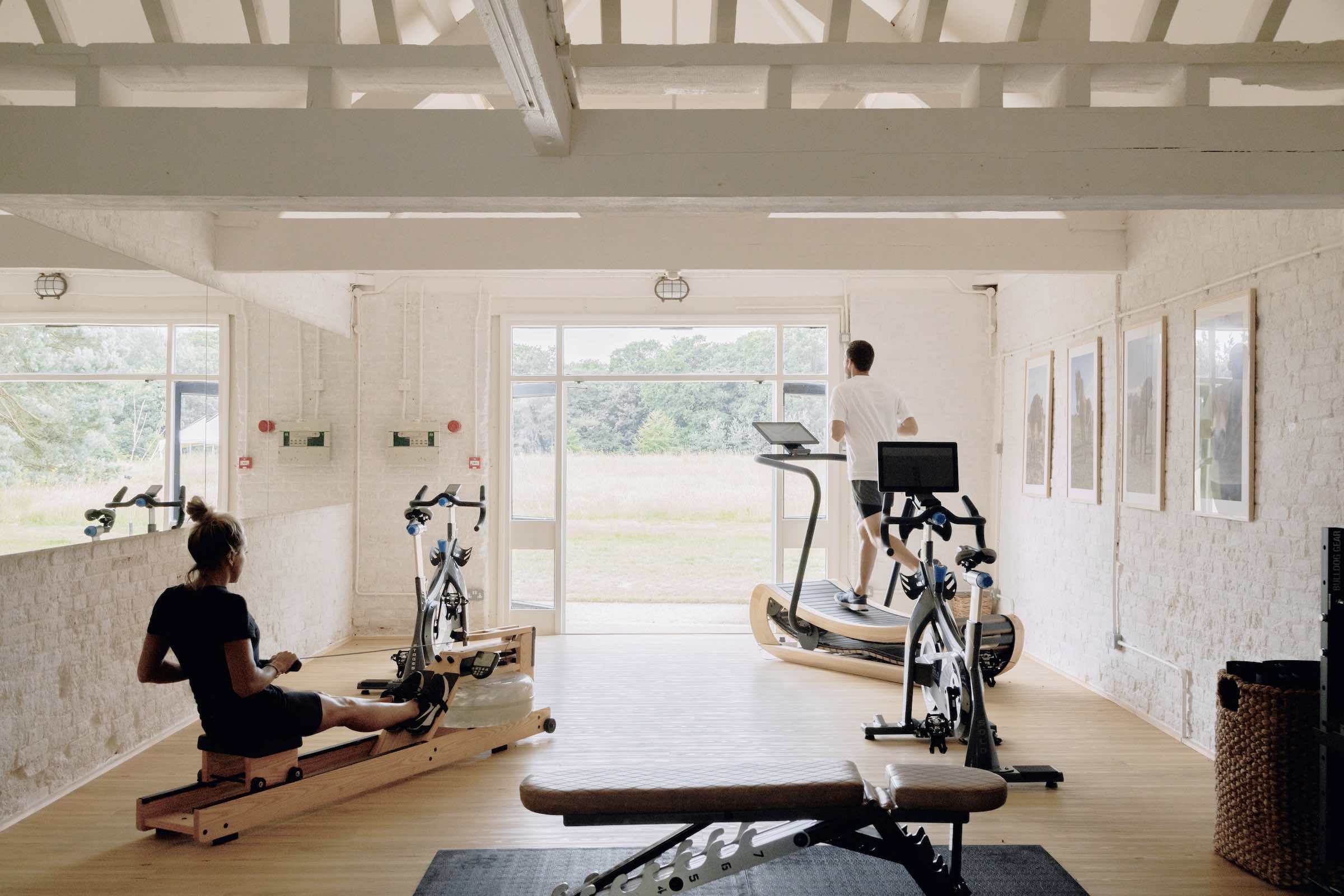
fritton lake hotel members club uk - our gym design
In hospitality, wellness is still too often treated as a self-contained department. A hotel may have a spa, a gym, a treatment menu and perhaps a few wellness-branded experiences, while the rest of the property remains relatively conventional in how it feels and functions.
That approach is increasingly outdated. In fact, we deliver all of that under our Biofit name, whereas with Biofilico we aim to go further into the DNA of a project, looking for tangible physical, mental and social health benefits outside of dedicated wellness facilities on site.
We believe this is already reflected in the guest experience anyway - Guests do not experience wellness only when they enter the spa, gym or yoga room. They can potentially experience it across the entire journey: on arrival, in the guestroom, in the bathroom, in the corridors, in the lounge, at breakfast, in movement spaces and in the overall emotional tone of the property. If the spa is excellent but the bedroom is poorly lit, acoustically uncomfortable or visually overstimulating, the wellness promise starts to break down. The same applies to the restaurant food and drinks menu, the off-site excursion offer and so on.
This is why hotel wellness design needs to go beyond amenity planning and extend into the wider interior experience. For hotel owners, developers and operators, the opportunity is not simply to add more wellness facilities. It is to create a more coherent, restorative and differentiated hospitality offer through healthier, better considered environments.
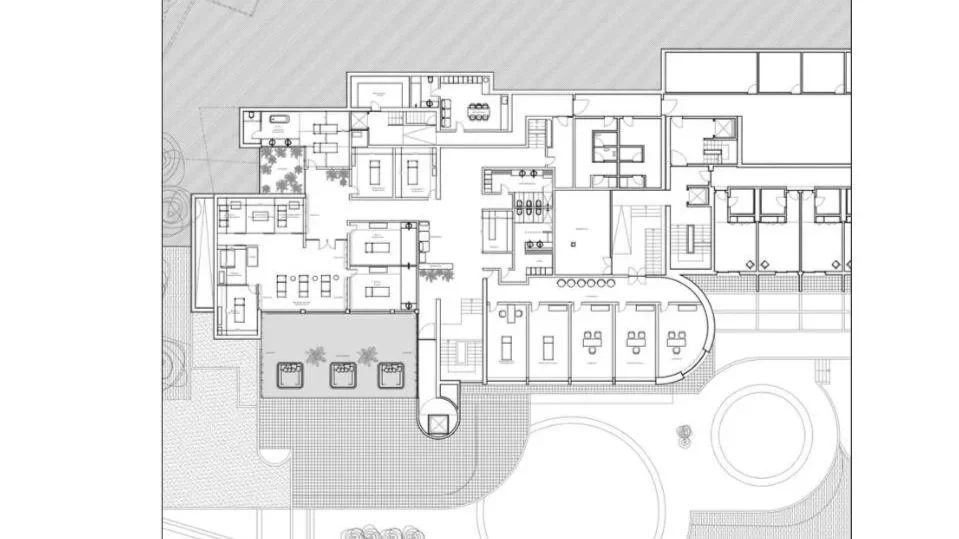
space planning wellness amenities outside of the main spa, pool and gym - for hotel sao felix in portugal
Wellness in Hotels Is About More Than the Spa
Spas remain an important part of hospitality wellness. In some properties they are a major driver of revenue, brand positioning and guest appeal. But the spa should not carry the entire wellbeing narrative on its own.
A serious approach to hotel wellness design looks at the whole property and asks broader questions:
Does the arrival experience feel calm, clear and welcoming?
Do guestrooms support good sleep, comfort and recovery?
Are lighting levels appropriate to mood and time of day?
Are acoustics managed well enough to reduce stress and disturbance?
Do the materials and finishes feel healthy, tactile and reassuring?
Are movement, recovery and relaxation integrated naturally into the offer?
Do public spaces help guests slow down, connect and reset?
This broader lens is what separates a hotel that merely offers wellness amenities from one that is genuinely designed around guest wellbeing.
Why Hotel Wellness Design Matters Now
There are several reasons this matters more than ever.
First, guest expectations have changed. Wellness is now a more mainstream consideration in travel, but guests do not always define it in technical terms. They may not ask explicitly about acoustics, circadian lighting or low-toxicity materials. However, they notice when a room feels restful, when the air feels fresh, when the bathroom feels calming, when shared spaces feel comfortable, and when the property as a whole supports relaxation rather than friction.
Second, hospitality operators are under pressure to differentiate. Many hotels now offer gyms, spas and some version of a wellness package. Those features alone are no longer enough to stand out. A more integrated wellness design strategy can create a stronger sense of quality and a more distinctive guest experience.
Third, the concept of wellness in hospitality is broadening. It now overlaps with sleep quality, recovery, movement, healthy food, mental reset, digital balance and a desire for more thoughtful, human-centred environments. Interior design has a major role to play in all of that.
The Common Mistake: Isolating Wellness Instead of Embedding It
One of the most common mistakes in hotel design is to isolate wellness into a few obvious spaces. The spa may be beautifully designed, but the rest of the hotel does not carry the same level of care.
This often happens because wellness is approached as a programme rather than a design principle. A hotel team decides to include a gym, treatment rooms or thermal facilities, but the wider design brief does not fully address what wellbeing should mean in the guestrooms, public areas or back-of-house planning.
The result can feel fragmented. Wellness becomes an add-on rather than part of the hotel’s identity.
A more successful approach embeds wellbeing into the full guest journey. That does not mean every property needs to become a medicalised longevity retreat or a highly specialised wellness resort. It means the hotel should consider how its interiors support rest, comfort, recovery and emotional ease throughout the experience.
to do this, we leverage concepts from the world of healthy buildings, informed by the IWBI WELL building standard in particular, to ensure we recommend evidence-based improvements designed to enhance brand image, drive incremental revenue for the hotel, and upgrade the guest wellness experience.
Key Elements of Hotel Wellness Design
1. Guestrooms That Support Rest and Recovery
The guestroom is the most important wellness space in the hotel, even if it is not always described that way.
This is where guests sleep, decompress, work privately, recover from travel and spend time away from social settings. If the room does not support comfort and recovery, the broader wellness story is weakened.
Wellness-focused guestroom design may include:
calming, well-balanced lighting
strong acoustic separation
comfortable and intuitive layouts
healthier materials and finishes
quality blackout conditions
thermal comfort
uncluttered visual design
bathrooms that feel restorative rather than purely functional
Many hotels still invest heavily in public-facing wellness areas while underestimating the wellbeing value of the room itself. That is often a mistake.
2. Lighting That Shapes Mood and Sleep Quality
Lighting has a major impact on how a hotel feels. It influences mood, relaxation, first impressions, usability and rest.
Poor lighting can make even an expensive property feel cold, flat or tiring. Overly bright bathrooms, harsh bedside lighting, weak task lighting or generic public area illumination all undermine the guest experience.
A better approach considers both atmosphere and function. In hospitality, lighting should support welcome, intimacy, ease of use and the gradual transition from activity to rest. In guestrooms especially, this has a direct bearing on perceived comfort and sleep quality.
3. Acoustics as a Core Part of Guest Experience
Acoustic comfort is one of the clearest yet most underestimated determinants of hotel quality.
Noise transfer between rooms, corridor disturbance, poorly controlled restaurant sound, reverberant lobby spaces or intrusive mechanical noise all affect guest wellbeing, even if they are not mentioned explicitly in the design brief. Guests may not describe these issues in technical language, but they feel them immediately.
A hotel that wants to deliver a stronger wellness proposition should take acoustics seriously across guestrooms, corridors, lounges, treatment spaces, fitness areas and shared social settings.
4. Materials That Feel Healthy, Grounded and Durable
Materials play both a sensory and psychological role in hotel wellness design. Guests respond not only to how a space looks, but to how it feels: tactile surfaces, warmth, softness, calm tones and a sense of authenticity all contribute to comfort.
From a wellness perspective, material choices should ideally support healthier interiors while also meeting the durability and operational needs of the hotel environment. Natural-looking and tactile materials can help create a more grounded atmosphere, but they should never feel forced or overly thematic.
The strongest hospitality interiors tend to feel calm, resolved and easy to inhabit, rather than designed around wellness clichés.
5. Bathrooms and Wet Areas That Feel Restorative
Bathrooms are often overlooked in broader wellness discussions, yet they can play a major role in shaping the emotional quality of a stay.
A well-designed bathroom can support both function and ritual. It can help guests wake up, reset after travel or wind down at the end of the day. Layout, lighting, storage, materiality and the overall sense of calm all matter here.
In more wellness-oriented properties, bathrooms may also become part of a broader recovery narrative, particularly when linked to bathing, hydrothermal experiences or sleep-supportive routines.
6. Public Spaces That Reduce Friction
Lobby lounges, restaurants, circulation zones, co-working areas and terraces all influence how restorative a hotel feels.
If public spaces are visually chaotic, noisy, badly zoned or overly transactional, the guest experience becomes more tiring. If they are comfortable, intuitive and well-paced, the hotel feels calmer and more premium.
This does not mean every hotel should become quiet and minimal. It means the design should match the intended emotional tone of the property and support the behaviour the brand wants to encourage, whether that is social energy, retreat, recovery or a more balanced combination.
Hotel Wellness Design Across Different Hospitality Models
Wellness design does not apply only to destination spas or dedicated wellness resorts. It can add value across multiple hotel typologies.
Urban business hotels
In these properties, wellness may centre on sleep quality, acoustic control, better lighting, recovery-focused guestrooms, movement spaces and a calmer arrival experience for time-poor travellers.
Resorts and leisure hotels
Here, there is often greater scope to integrate spa, outdoor relaxation, recovery, movement, nature connection and slower rituals into the overall guest journey. However, the same principle still applies: wellness should extend beyond the spa building.
Lifestyle hotels
Lifestyle-led hospitality often focuses on brand character, social energy and visual identity. The opportunity is to ensure that atmosphere and guest comfort are not sacrificed in the process. Wellness can be embedded through better rooms, more thoughtful public spaces and a stronger sensory balance.
Branded residences and hybrid hospitality models
In mixed-use hospitality environments, wellness can also support long-stay comfort, daily routine, residential-style ease and a stronger differentiation strategy for both guests and residents.
Why Hotel Owners and Operators Should Think More Strategically
For hotel owners and operators, wellness design should be viewed as both a guest-experience issue and a positioning opportunity.
A more integrated approach can help:
create a clearer hospitality concept
support premium pricing and stronger guest satisfaction
improve differentiation in a crowded market
align spa, fitness, recovery and interior design into one coherent story
make the property feel more contemporary and relevant to changing travel expectations
This is particularly important when designing new hotel concepts or repositioning existing properties. In those situations, wellness should be considered early rather than added late through amenities alone.
The Role of Strategic Advisory in Hotel Wellness Design
Hospitality projects often involve multiple stakeholders, including owners, operators, architects, interior designers, technical consultants and specialist wellness suppliers. Without a clear wellness strategy, the final result can become fragmented.
This is where specialist advisory can add value.
A wellness design consultant can help define what wellbeing should mean for a specific hotel concept, identify which interventions will matter most commercially and experientially, and connect the spa, fitness, recovery and interior design narrative into a more coherent whole.
That may include early concept support, benchmarking, user-journey thinking, healthy interior principles, wellness amenity planning and design review through the development process.
Hotel Wellness Design Is Not a Luxury Add-On
Perhaps the most important shift is this: wellness in hotels should not be treated as a luxury layer applied only to high-end properties with large spas and generous budgets.
At its core, hotel wellness design is about supporting how guests feel. That can be addressed at different scales and price points. Better sleep conditions, calmer lighting, stronger acoustics, healthier materials and more intuitive planning are not niche concepts. They are part of good hospitality design.
For some properties, that will lead to an ambitious wellness destination concept. For others, it may simply result in a more comfortable, more memorable and better-performing hotel experience. Both outcomes are valuable.
Final Thoughts
Hotel wellness design is most effective when it moves beyond the spa and informs the wider guest experience. Rather than isolating wellbeing in a few specialist spaces, hospitality projects can use design to support comfort, recovery, ease and emotional quality across the property as a whole.
That includes guestrooms, bathrooms, lighting, acoustics, materials, public spaces and the transitions between them. When these elements are thoughtfully integrated, wellness becomes more than a marketing label. It becomes part of how the hotel actually works for the guest.
For owners and operators looking to strengthen their hospitality offer, that broader approach is where the real opportunity lies.
FAQ Section
What is hotel wellness design?
Hotel wellness design is the planning and design of hotel interiors and guest experiences to better support comfort, rest, recovery and overall wellbeing. It includes not only spa and fitness areas, but also guestrooms, lighting, acoustics, materials and public spaces.
Does hotel wellness design only apply to luxury resorts?
No. Wellness design can add value across many hospitality models, including urban business hotels, lifestyle hotels, resorts and hybrid hospitality concepts. It can be applied at different scales and budgets.
Why should hotels think about wellness beyond the spa?
Because guests experience wellbeing throughout their stay, not only in the spa. Sleep quality, room comfort, lighting, acoustics, bathroom design and the atmosphere of shared spaces all influence the overall guest experience.
What design elements matter most in hotel wellness?
Key elements include guestrooms that support rest, good lighting, strong acoustic control, healthier materials, restorative bathrooms, intuitive layouts and public spaces that feel calm and comfortable.
How can wellness design improve hotel performance?
A better-designed wellness offer can strengthen guest satisfaction, support differentiation, improve perceived quality and help create a more coherent hospitality concept.
What does a wellness design consultant do for hotel projects?
A wellness design consultant helps owners, operators and design teams define the wellness strategy, shape the guest experience, plan amenities and align interiors with the overall positioning of the hotel.
contact us
Planning a hotel, resort or hospitality repositioning project?
Biofilico advises hotel owners, developers and operators on wellness strategy, healthy interiors and wellbeing-led design concepts for hospitality environments.
Explore our services here or get in touch via email here to discuss your project.
see our article on wellness real estate here
Best Outdoor Kids Play Design Ideas for Hotels & Resorts

sani resort outdoor adventure - bear grylls academy
Creating captivating and engaging outdoor play areas for children is essential for luxury hotels and resorts looking to attract families. Just like an innovative gym design or outdoor gym, a well-designed playground can enhance the guest experience and add tangible value to the property's leisure spaces offer.
We design all of the above and have a particular focus on the luxury hotel sector, where we see brands like Soneva, Six Senses Resorts, and One&Only Resorts leading from the front with their thoughtful kids club concepts that elevate a property’s appeal for families.
This guide explores a range of inspiring ideas for designing outdoor kids play areas in resorts that are safe, fun, and uniquely tailored to a luxury hospitality context.
1. Planning a Hotel or Resort Kids Play Area
Assessing Space and Budget
Before diving into kids leisure space design, it’s crucial to assess the available space and budget. This process requires more work as hotels and resorts need to determine the size and scope of the play area, considering factors like guest demographics and the resort’s overall theme.
What is the Unique Selling Point here? how is the facility going to be unique and differentiated, while also aligning with the relevant resort brand positioning?
For instance, Soneva Resorts often integrate large, sprawling play areas that blend seamlessly with their natural surroundings, while Six Senses focuses on eco-friendly and sustainable materials.
Space Utilization: Evaluate how the space can be maximized for various play activities without compromising safety. Consider multi-level play structures or combining different play zones for diverse experiences.
Budget Allocation: Balance cost with creativity. High-quality, durable materials might have a higher upfront cost but will last longer and require less maintenance.
Ensuring Safety and Accessibility
Safety is paramount in playground design. The play area should accommodate children of all ages and abilities, ensuring a safe and inclusive environment.
Safety Standards: Adhere to local and international safety regulations. Use soft flooring materials, rounded edges on equipment, and non-toxic finishes to prevent injuries.
Accessibility: Include ramps, wide pathways, and accessible play structures to ensure all children can enjoy the space, regardless of physical abilities.
Emphasizing Outdoor Games and Activities
Outdoor play is not only fun but also crucial for children’s physical and mental development. Incorporate a variety of games and activities to keep kids engaged. Adding these features can make the resort a popular destination for families.
Physical Activity: Design areas that encourage climbing, running, and jumping. Structures like climbing walls, obstacle courses, and swings promote physical fitness.
Social Interaction: Create zones for group play, such as sandboxes, water tables, or large interactive games that encourage teamwork and socialization.
2. Developing Design Skills for a Successful Playground
Building In-House Design Skills
Investing in in-house design skills can give hotels and resorts a personalized touch in their playgrounds, ensuring the space aligns perfectly with the property’s brand and guest expectations.
Training Staff: Develop a team with skills in landscape architecture, child psychology, and play safety standards. This ensures a holistic approach to playground design.
Customization: Use in-house designers to tailor the playground to the resort’s unique theme, whether it’s a tropical paradise or an urban escape.
Hiring a Design Consultant
While in-house design can be beneficial, hiring a professional consultant like ourselves can provide expert guidance to enhance the property's appeal, especially for complex or large-scale projects. We can also bring a fresh dose of creative thinking that integrates smoothly into the resort brand design standards.
Expertise: Consultants bring a wealth of experience and knowledge, often having worked on diverse projects and understanding the latest trends and safety standards.
Efficiency: They can streamline the design process, help avoid costly mistakes, and ensure the playground is completed on time and within budget.
Creating a Best-in-class resort kids play area
Combining in-house skills and expert consultation can lead to the creation of a top-notch playground that stands out and becomes a highlight of the guest experience.
Collaboration: Foster a collaborative approach where in-house teams and consultants work together to blend creativity with practicality.
Unique Experiences: Aim to create unique, memorable play experiences that reflect the resort’s identity and appeal to both children and parents.
3. Outdoor Games and Activities in Hotels & Resorts
Incorporating Outdoor Games
Designing play areas that incorporate a variety of outdoor games helps keep children active and engaged, enhancing their overall resort experience. Incorporating a variety of outdoor games can make the resort a popular destination for families.
Interactive Games: Install games like giant chess, hopscotch, or tic-tac-toe boards. These not only entertain but also stimulate strategic thinking and coordination.
Sports Facilities: Include mini-golf, basketball courts, or soccer fields to encourage physical activity and cater to older children and teenagers.
Hands-On Play and Exploration
Encouraging hands-on play and exploration stimulates creativity and imagination, essential for child development.
Natural Play Elements: Use natural materials like sand, water, and wood. Soneva Resorts, for example, often integrate natural elements into their play areas to inspire exploration.
Interactive Features: Add sensory panels, musical instruments, and tactile surfaces that engage different senses and provide educational play opportunities.
Designing for All Ages and Abilities
A successful playground should cater to children of various ages and abilities, offering something for everyone.
Age-Specific Zones: Create different areas for toddlers, young children, and older kids, with age-appropriate activities and equipment.
Inclusive Play: Ensure play structures are accessible and inclusive, with features like easy-to-climb ramps and sensory play panels for children with different abilities.
4. Innovative Playground Features in Hotels and Resorts
Color and Sensory Surfaces
Incorporating vibrant colors and sensory surfaces into playground design can make the space more engaging and stimulating for children.
Colorful Designs: Use bright, cheerful colors to attract children and stimulate visual interest. Flooring, equipment, and structures can all be part of this colorful palette.
Sensory Play: Integrate sensory surfaces like textured panels, water features, or soft play areas that engage touch and hearing as well as sight.
Making Trees a Feature
Natural elements like trees can be central features in a play space, creating a serene and inviting atmosphere.
Treehouses: Incorporate treehouses or elevated play areas that give children a sense of adventure and a unique perspective.
Shaded Play Areas: Use trees to provide natural shade, keeping play areas cool and comfortable, and protecting children from the sun.
Innovative Play Structures
Modern playgrounds can benefit from innovative structures that offer unique and engaging experiences.
Custom Designs: Develop custom play structures that reflect the property's theme, like pirate ships, castles, or jungle gyms.
Interactive Installations: Install interactive elements like climbing nets, balance beams, and kinetic sculptures that challenge and entertain children.
5. Water Play and Artistic Expression
Water Play Features
Water play can provide a refreshing way for kids to enjoy the outdoors, especially in warm climates.
Splash Pads: Incorporate splash pads or fountains that allow children to cool off and enjoy water safely without the need for a pool.
Water Tables: Install interactive water tables where kids can play and learn about the flow and movement of water.
Art Boards and Creative Spaces
Encouraging artistic expression is important for children's development and enjoyment.
Art Boards: Include wipe-clean art boards or easels where children can draw and paint, allowing them to express their creativity.
Craft Stations: Set up areas with supplies for crafts and building, fostering creativity and hands-on engagement.
Educational Playgrounds
Design playgrounds that are both fun and educational, combining play with learning opportunities.
Themed Areas: Create themed zones that teach about nature, science, or culture. For example, Six Senses Resorts often integrate educational themes into their kids’ clubs.
Interactive Learning: Install educational panels and interactive displays that provide information and activities related to the environment or local culture.
6. Designing Kids Play Facilities for Resorts using Whimsical Design Touches
Creating a Miniature World
Enchant children with a play area designed as a miniature world, sparking their imagination and sense of wonder.
Miniature Buildings: Design play structures as small-scale versions of castles, cottages, or cityscapes where kids can engage in imaginative play.
Fantasy Themes: Incorporate fantasy elements like fairy-tale gardens, dragon slides, or enchanted forests that transport kids to a magical world.
Themed Play Areas
Themed play areas can transform a standard playground into an extraordinary experience.
Adventure Themes: Create themes based on adventures, like jungle expeditions, underwater exploration, or space missions. One & Only Resorts often use thematic designs to captivate young guests.
Cultural Themes: Reflect the local culture or heritage in the playground design, offering children a fun way to learn about their surroundings.
Adding Whimsical Touches
Small whimsical touches can make a big difference in creating a unique and engaging play area.
Surprise Elements: Add unexpected elements like secret tunnels, playful sculptures, or hidden treasures that children can discover.
Interactive Features: Install features like talking tubes, musical stepping stones, or light-up paths that surprise and delight children.
7. Final Touches - Health and Safety Considerations
Multi-Purpose Playground Paving
Choosing the right playground surface is essential for safety and durability.
Soft Paving: Use soft, impact-absorbing surfaces like rubber or foam tiles to cushion falls and prevent injuries.
Durable Materials: Select materials that are weather-resistant and easy to clean, ensuring the playground remains safe and functional over time.
Maintenance and Upkeep
Regular maintenance is crucial to keep the playground safe, clean, and inviting.
Routine Inspections: Conduct regular safety inspections and maintenance checks to identify and address any issues promptly.
Cleanliness: Maintain a high standard of cleanliness, especially in high-traffic areas, to ensure the health and safety of all users.
Creating a Fun and Functional Space
The final touches should balance fun and functionality, ensuring the playground is enjoyable and practical.
Balanced Design: Incorporate both active play areas and quiet spaces where children can relax and enjoy a slower pace.
Parental Comfort: Provide seating and shaded areas for parents to watch and interact with their children comfortably.
Conclusion
Designing an exceptional outdoor play area for hotels and resorts involves a blend of creativity, safety, and functionality. By incorporating these ten design ideas, luxury properties can create engaging and memorable play experiences that delight young guests and reassure parents.
From whimsical themes and innovative structures to educational and sensory play, the possibilities are endless for crafting playgrounds that reflect the unique character and values of the resort.
Whether integrating natural elements or providing opportunities for creative expression, a well-designed play area can significantly enhance the overall guest experience, making it a cherished part of any family vacation.
Best New Biophilic Hotel Resorts Using Biophilic Design Interiors — Biofilico Wellness Interiors
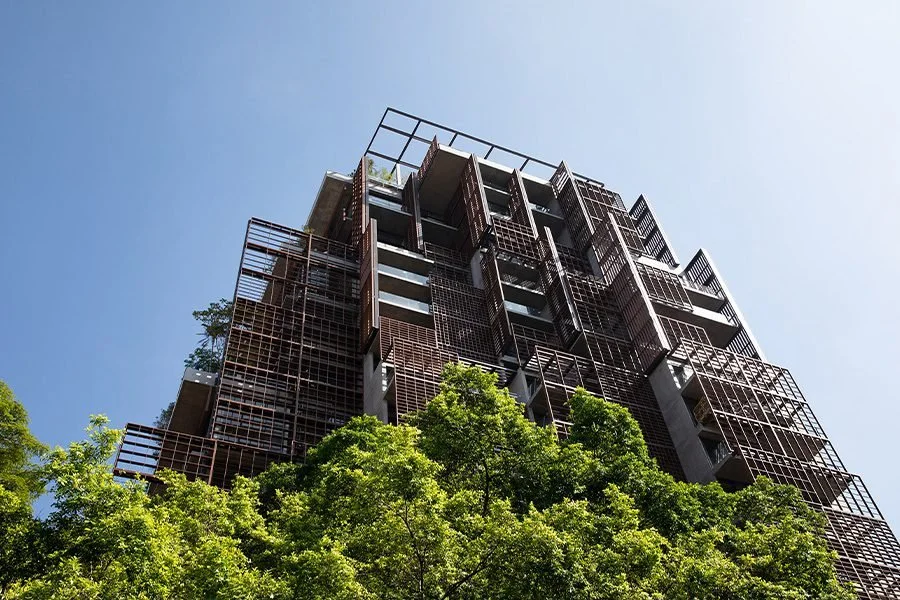
biophilic design by Jean Nouvel
Rosewood Sao Paulo luxury hotel with natural materials
https://www.rosewoodhotels.com/en/sao-paulo
This 93 metre high tower in Brazil was designed by Ateliers Jean Nouvel (AJN) and completed in 2022. It houses the Rosewood Sao Paulo hotel with 104 rooms and 124 branded Rosewood suites, as well as a spa, fitness centre and penthouse complex.
The Rosewood Sao Paulo hotel is an example of how biophilic design is reshaping the hospitality industry by meeting evolving guest expectations and creating a unique and immersive experience.
Bordering Matarazzo Park, this 54,100 m² project combines elements of biophilic design with its parkside location to offer a hotel experience connected to nature despite being in a giant metropolis.
Terraces are planted with the same tree species as present in the park to create a sense of visual continuity as well as providing additional privacy for residents and hotel guests inside.
Previously this was the site of the Condessa Filomena Matarazzo Maternity Hospital, thanks in part to the landscaping by Julien Benech from Paris the transformation into a sustainable luxury tower is now largely defined by its nature-centric aesthetics. Biophilic interior designs foster unique and memorable guest experiences by creating a connection to the natural world through elements like wooden materials, living walls, plants, natural lighting, and indoor water bodies.

Biophilic hotel design with natural light
TreeHouse Hotel London, UK
https://www.treehousehotels.com/london/gallery
The TreeHouse Hotel shares some of the 1 Hotels DNA as it forms part of SH Hotels & Resorts, an affiliate of global private investment firm Starwood Capital Group led by Chairman and CEO Barry Sternlicht. So it’s no surprise to see certain similarities between the two biophilic hotel brands, albeit with a number of clear points of differentiation.
Most notably, the Treehouse brand has a smaller format, and perhaps a more ‘eco premium’ positioning, while 1 Hotels is really all about ‘eco luxury.’ This arguably makes the brand more nimble and able to adapt to a wider range of locations, such as its forthcoming Downtown Miami, Brickell site designed in collaboration with Rockwell Group and SHoP Architects in the JDS Development Group’s 1 Southside Park.
A Treehouse Hotel Manchester is also under development, scheduled for opening in 2023. In the London outpost though, it’s all about those large bay windows letting natural daylight flood in from the cityscape outside. Internal glass walls further pull sunlight into the interior of the building increasing the amount of natural light occupant exposure. Interiors are courtesy of the team at Audrey Sterk Interiors.
The rooms are designed to be cozy and welcoming like a childhood clubhouse. They use a color palette of grays, blues, brown and whites. Color palettes are a key interior design element that can evoke a sense of connectivity to nature and reflect the personality of the destination. There is a large quantity of wood used throughout the rooms within the closet, door, window, and bed frames, desks, tables, chairs, and shelves. This brings the tangible feel of nature into the interior of the building through biophilic interior design. A variety of natural materials such as wood, wool, and cotton are used to create a natural and sustainable atmosphere.
A rain shower is also included in each room within a large open spaced tile shower. Each room is playfully accented with iconic London memorabilia and accessories such as cartoon mushroom pillows, plants, and the Paddington Bear with Red Hat Blue Coat. This makes the environment of the room playful, ensuring a disarmingly informal setting for such a city-centre location.
A range of biophilic elements of design are present such as birch tree wallpaper accent walls, leaf designed pillows, whicker lights, and a bar with a bare stone facade.
Moving to the roofscape, plants line a large majority of the area with extensive garden boxes and living walls filled with a variety of flora. A small jungle is created with a beautiful panoramic view of the city.

The world's most biophilic hotel
1 Hotel West Hollywood, USA
https://www.1hotels.com/west-hollywood/gallery
Within the hills of West Hollywood, the 1 Hotel pulls nature inwards, placing it at the center stage of its biophilic interior design. Native species of plants line the outdoors alongside heavily planted gardens. Vines cascade down from the rooftop gardens giving depth of flora to the biophilic space.
The hotel’s design integrates the natural environment to prioritize sustainability and guest well-being. This helps city dwellers reconnect with natural surroundings, leading to benefits such as stress reduction and higher attention spans.
The hotel is USGBC LEED certified meaning it takes deliberate, measurable steps to ensure efficiency in carbon emissions, energy use, water use, waste management, transportation, building materials, occupant health and indoor environmental quality (EQ).
A sustainable building design meant that a series of sustainable hotel operational practices were also needed, from the elimination of single use plastics, to the provision of electric car charging stations, and onsite composting gardens.
Biophilic elements of design include living moss walls, reclaimed oak furniture and skylights. One notable element of design is a large dining / ballroom with thousand of small circular white lights. Looking up it’s like thousands of stars shining in the night sky.
The 1 Hotel in West Hollywood ensures sustainability in both its design and operations, promoting a vision of luxury 5-star hospitality that is aligned with the health of both people and planet.

A new interpretation of biophilic design for resorts and hotels
Patina Ubud, Indonesia (2023)
https://patinahotels.com/ourfootprint-ubud
Designed by Brazilian man of the moment Marcio Kogan of Studio MK27 Architects and scheduled for opening in 2023, Patina Ubud was built within the forest landscape of Indonesia with a design emphasis on integrating the location’s natural beauty, a collection of buildings were positioned along a sloping terrain leading into a river valley.
A long infinity pool runs parallel to the Wos River. Expansive, floor to ceiling windows help illuminate each room with the serenity of the Indonesian jungles, bringing the outside world into the guest experience.
A wellbeing designfocus means that the 102 villas feature neutral, calming hues of browns, whites, and beiges. They are accented with colors of orange and green to bring together small elements of the space. Nature-inspired color palettes are used to establish emotional connections with spaces and create a sense of peace and calm.
Wellbeing interior design promotes positive emotional comfort and restorative sleep via a combination of colours, patterns, textures and wabi-sabi finishes.
Natural light entering the rooms allows the circadian rhythm to balance and intuitive lighting allows guests to set the level of ambient lighting they desire during the latter hours of the night. Each room is also provided with a yoga mat, aromatherapy, and calming breathing technique tutorials.
Healthy and sustainable materials are used throughout the interiors while food is sourced from local suppliers, and single use plastic is avoided completely, three meaningful examples of a green procurement policy in a resort context. The resort also incorporates natural and recycled elements, enhancing its sustainability and connection to the natural world.

Taking biophilic design to new heights in a luxury resort
Joali Being resort, Maldives
https://www.joali.com/joalibeing/
The Joali Being resort is an immersive, natural wellbeing retreat designed for mental and physical relaxation offering everything from customized nutrition programs to mental rejuvenation activities and interactive learning experience to leave guests ‘transformed’ in some small way.
Surrounded by the idyllic setting of the Maldivian beaches, this biophilic resort design fosters a deep connection to the natural world, promoting environmental sustainability and guest well-being. It is to be found on the island of Bodufushi, a 40 minute plane ride the main airport.
Each one of the 68 villas has its own piece of beach and a personal butler while an earth-to-table menu promises locally and sustainably sourced, fresh foods that support small farms as a way to integrate sustainable operations practices. Every meal is curated by the resort nutritionist with health and wellness in mind.
Living spaces are equally designed around maximizing guest wellness, primarily through biophilic design principles. Harmony and balance were the main priority, eliminating negative vibrations and enhancing energy flow.
Other components of this wellness design strategy include private pools, meditative musical instruments, and wellbeing games for mental stimulation.
So-called ‘transformational spaces’ were designed for reflection, movement and personal growth thanks to fitness rooms and meditation rooms in particular.
Full immersion programs were formed to rebalance and increase the mental wellbeing of guests through tailored movements to align specific health concerns such as digestive and weight rebalance and restorative sleep.
This wellbeing real estate development is a shining example of how to create a hospitality experience geared for guest wellness.
An urban interpretation of biophilic architecture and design
Villa M, Paris, France

The vertical garden exterior and contemporary steel structure of the Villa M Hotel in Paris designed by Triptyque Architects (Paris and Brazil) in collaboration with Philippe Starck makes a bold visual statement in a city full of historic architecture.
Nature is lifted into the sky by flora filled balconies overflowing with plant life. Biophilic design is immediately apparent from the exterior of the building but continues through into the interiors as well for a comprehensive, nature-inspired design.
Wood and marble are dominant in the interiors, with vibrant, organic colors promoting a sense of calm and comfort. Spacious rooms were created with a focus on guests’ sleep quality in particular.
Amenities for play, work, and health inspired by biophilic design include a restaurant and bar with its own planted garden. The rooftop space is filled with an array of fruit trees - the perfect place to relax and enjoy the skyline.
Finally, a genuine focus on fitness is a clear point of differentiation at Villa M, in addition to its wellness design interiors, they have doubled down on fitness facilities via a heavyweight boxing champion coach Tony Yoka, 250m2 of floor space including a boxing ring and a range of dance, yoga, martial arts and fitness classes both for hotel guests and external members.
Living walls and biophilia in hotel architecturE
Parkroyal Collection Kuala Lumpur (2022), Malaysia
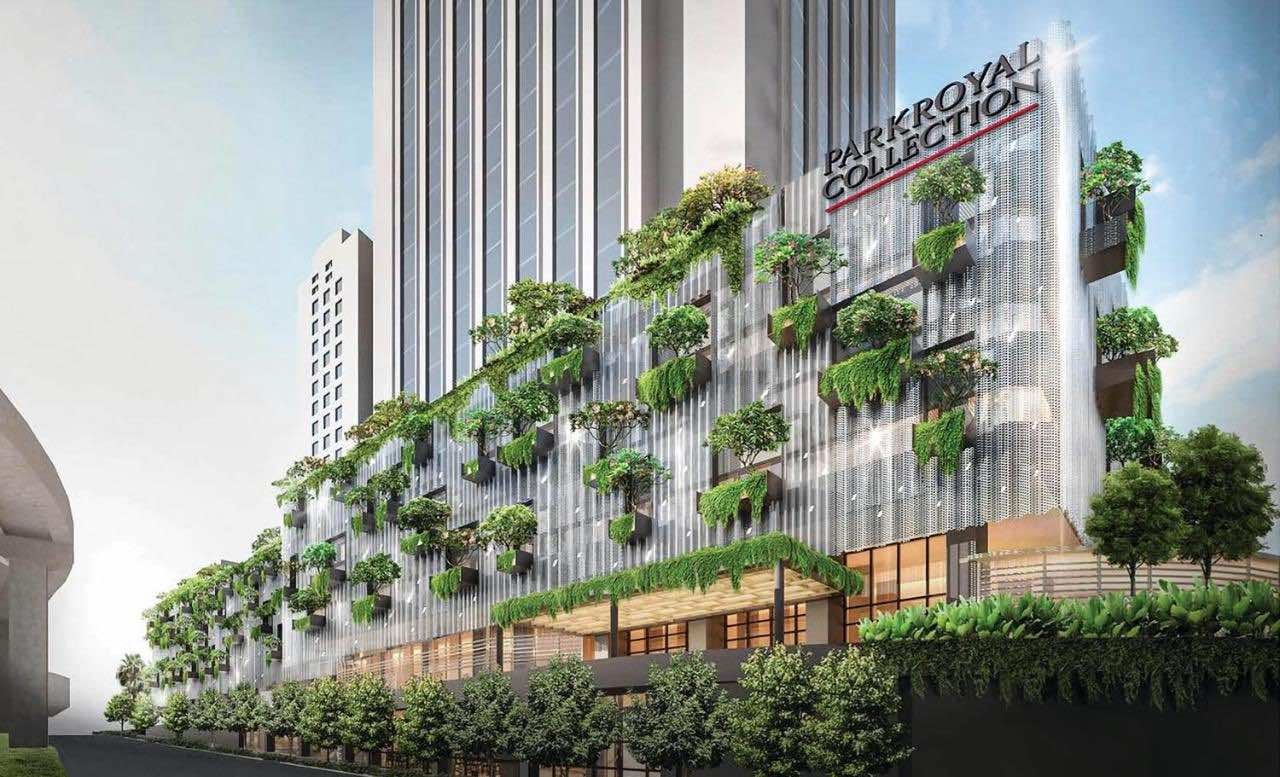
https://www.panpacific.com/en/hotels-and-resorts/pr-collection-kuala-lumpur.html
The PanPacific-owned Parkroyal Collection’s first hotel outside of Singapore debuted in summer 2022 and, in a similar vein to its predecessor, the eminently biophilicParkroyal Pickering, this too is a fine example of how to integrate biophilic interiors and prominent landscaping in a hotel development.
At 527 rooms, this is no boutique-size hotel meaning any biophilic wellness design interventions had to be replicated over a generous range of rooms and suites.
Overall it’s a self-described ‘eco-chic living’ solution in the Malaysian capital but its most noticeable feature is an exterior facade of 78 sky planters filled with luscious plants. These planters showcase more than 13,000 square feet of plants and trees from the exterior. Natural lighting mimics the circadian rhythm and promotes a healthy sleep cycle, providing a more sustainable lighting option.
Guests thereby have access to garden-like escapes in the center of a bustling cityscape. With a deliberate focus on the wellbeing of their guests, the hotel houses a holistic wellness floor that showcases the St. Gregory Spa, a modern gymnasium, fitness studio, and pool.
Alongside this, there is also an outside pool surrounded by wooden pergolas, greenery, and flowering plants. Biophilic elements of design are showcased throughout the building in the shape of potted plants, stone walls, plant pattern rugs, woven wicker chairs, and a green tiled bar.
Sustainable building design and operation is a large part of the sustainability goals of the hotel. Various steps were taken toward green building sustainable design.
Kitchen menu ingredients are sustainably sourced for all on-site bars and restaurants, while bathroom amenities are sustainably presented in biodegradable packaging. A filtered drinking water system and a food waste management system complete the picture.