Wellness Design for University Campuses: Creating Healthier Spaces for Students and Staff
University wellbeing is not only about student support services or campus branding. It also depends on how academic buildings, lounges, workspaces and shared interiors are designed to support focus, comfort, recovery and daily use.
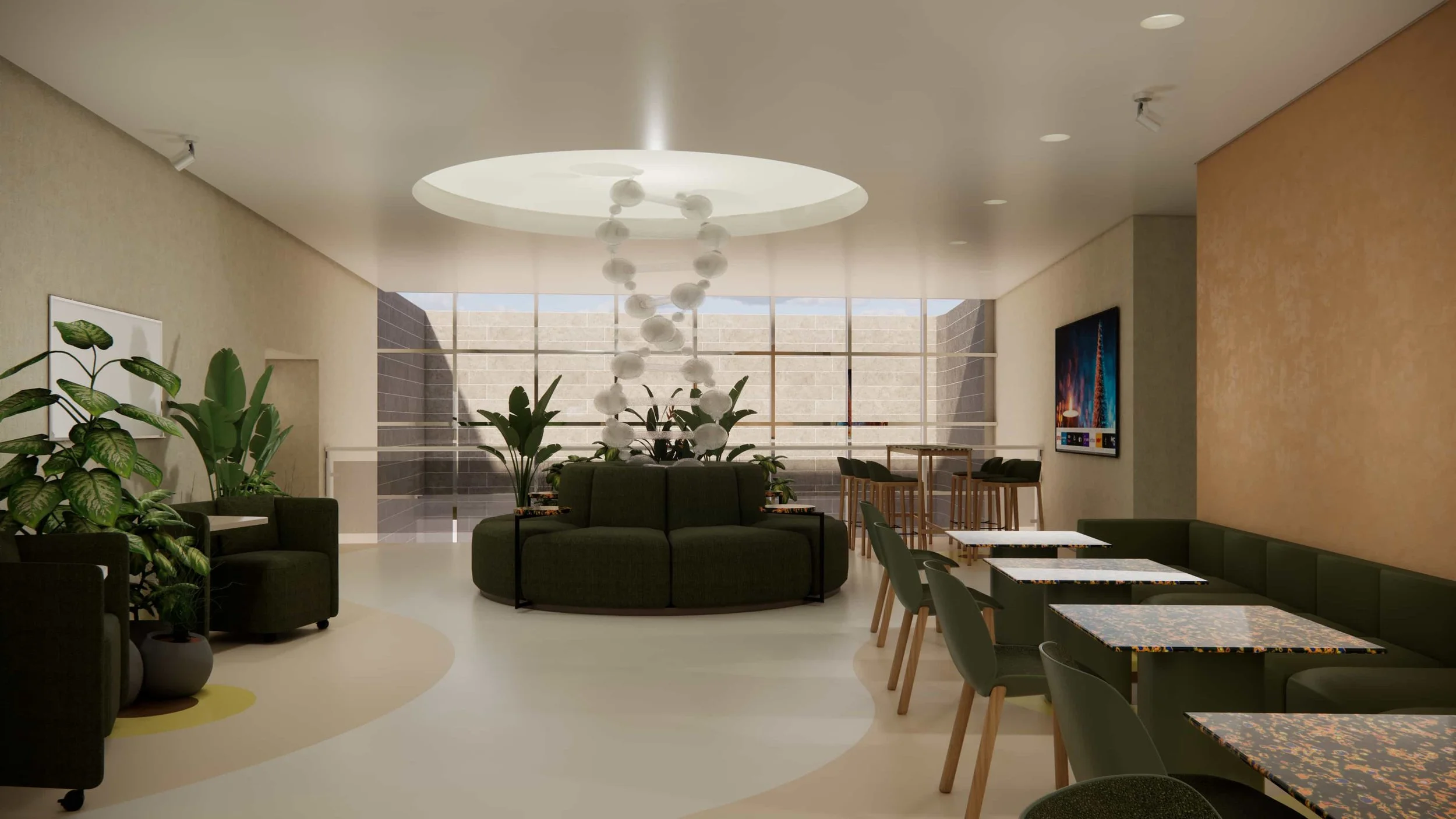
Biology Lab communal area design concept by Biofilico for Carnegie Mellon University Qatar (CMUQ)
“Campus wellbeing is shaped not only by services and programming, but by how spaces feel and function every day.”
University campuses are often discussed in terms of academic reputation, architecture, student life and estate expansion. Less attention is typically given to the interior quality of the buildings themselves and how those environments affect the daily wellbeing of the people using them.
That is starting to change.
Across higher education, there is growing recognition that students, faculty and staff perform better in spaces that are not only functional, but also healthier, calmer and more supportive of concentration, collaboration and recovery. This is where wellness design becomes highly relevant.
For universities, wellness design is not about adding a few lifestyle features or creating a more marketable visual identity. It is about improving how campus interiors actually work. That includes the quality of light, acoustics, air, materials, layout, social spaces, staff environments and the overall ease or friction of daily use.
A university building may be visually impressive and still fall short as a wellbeing-led environment. Equally, a more modest space can perform extremely well when it is planned around real user needs and practical everyday experience.
Why Wellness Design Matters on University Campuses
Students and staff spend long hours in campus environments. They move between classrooms, study areas, labs, offices, lounges, meeting spaces, food and beverage settings and circulation zones throughout the day. Their experience is shaped not just by academic programming, but by how those spaces feel and function over time.
When campus interiors are poorly lit, acoustically harsh, confusing to navigate or lacking in restorative spaces, the effect is cumulative. Stress increases. Focus declines. Informal collaboration becomes more difficult. Staff comfort is reduced. Students may have fewer places to decompress between demanding academic activities.
By contrast, when universities invest in healthier, more thoughtful interior environments, the benefits can extend across the institution. Better campus spaces can support concentration, comfort, social connection, staff performance and the overall perception of quality.
This is particularly important as universities compete not only on academic standing, but also on student experience, staff retention and the attractiveness of their physical environments.
Beyond Architecture: Why Interiors Matter More Than Many Universities Realise
In higher education projects, large amounts of attention are often focused on the architectural concept, the exterior expression of the building and the headline narrative around innovation or identity. Interiors can then become overly driven by aesthetics, late-stage value engineering or generic workplace and education standards.
That is a missed opportunity.
Interior environments are where students and staff spend most of their time. They shape whether a campus building feels welcoming, stressful, energising, institutional, flexible or outdated. They influence whether people can concentrate properly, hold meetings comfortably, study informally, recover between sessions or feel proud of the institution they belong to.
Wellness design helps universities move beyond the idea of interiors as decoration. Instead, interiors become part of a broader strategy for supporting wellbeing, usability and performance.
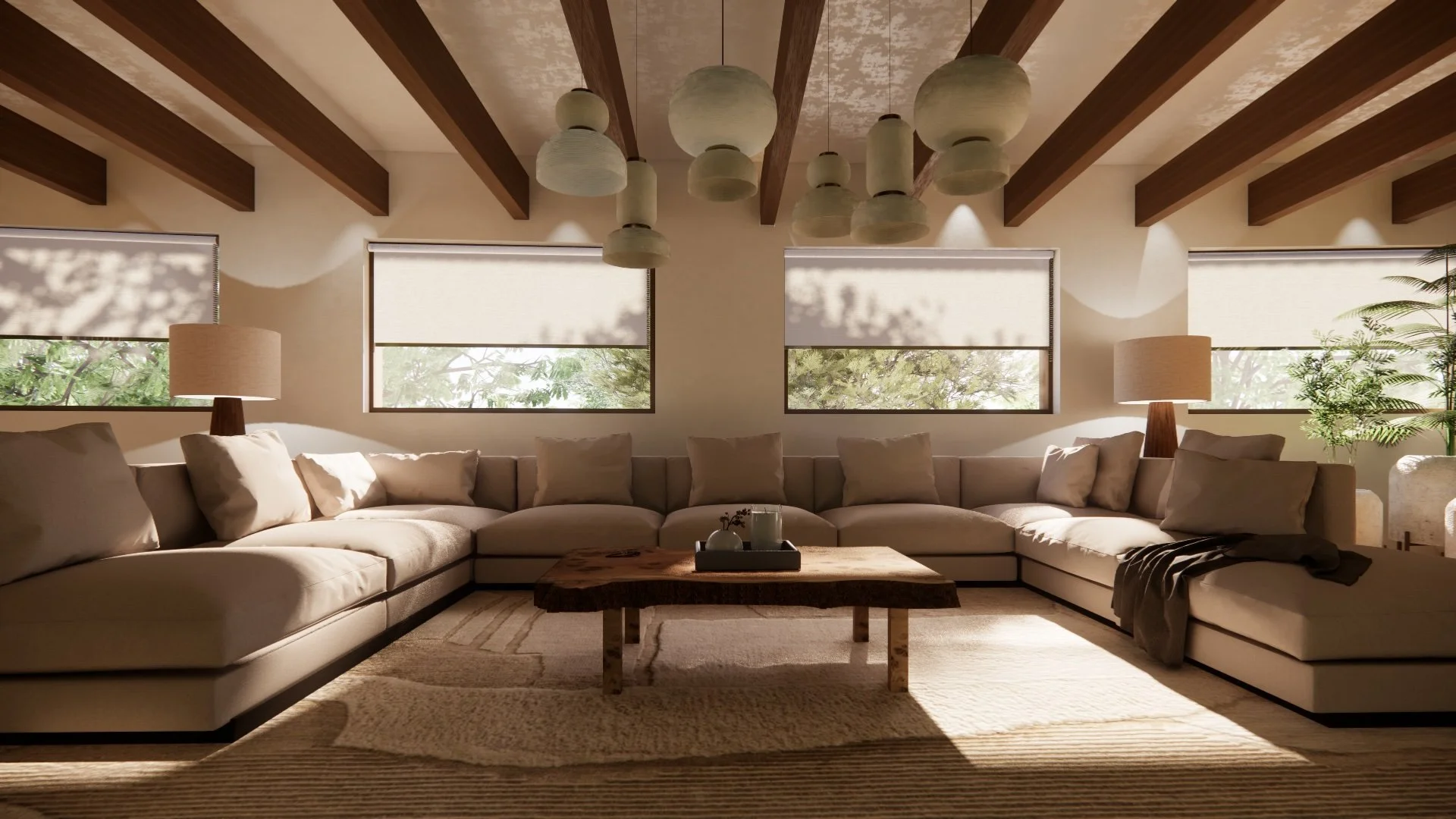
mindfulness room interior design by Biofilico for Carnegie Mellon University Qatar (CMUQ)
What Wellness Design Means in a Campus Context
Wellness design on university campuses should be understood as a practical, human-centred approach to the planning and design of interior environments.
That can include:
healthier study and collaboration spaces
staff workspaces that support focus and comfort
lounges and breakout areas that encourage decompression
better transitions between quiet and active zones
improved lighting and daylight strategy
stronger acoustic control
more thoughtful material selection
layouts that reduce confusion and improve daily use
spaces that support both community and privacy
Importantly, this is not only about student-facing spaces. Faculty offices, staff areas, research environments, shared back-of-house zones and circulation areas all contribute to the lived experience of a campus building.
The Common Mistake: Concept-Led Design Without Enough User Validation
One recurring issue in campus projects is that the design narrative becomes too detached from practical use cases.
A concept may look compelling in presentation form. It may reflect an institutional ambition around innovation, collaboration or future learning. But unless that concept is tested against how students, faculty and staff will actually use the building, the result can become superficial.
This is where universities often benefit from more detailed wellness and user-experience thinking during the briefing and design stages. It is not enough to create spaces that photograph well or appear flexible on plan. The key question is whether those environments truly support the day-to-day routines of the people occupying them.
A wellbeing-led campus interior should be grounded in real functionality. That means understanding the rhythms of academic life, the need for concentration and restoration, the pressures on staff environments, and the way informal spaces are actually used between programmed activities.
Key Principles for Healthier University Campus Interiors
1. Design for Concentration as Well as Collaboration
Many campus projects understandably emphasise collaboration, openness and social learning. Those are important priorities. However, universities also need spaces that support quiet focus, private work and decompression.
Not every student wants to study in an exposed, highly social environment. Not every member of staff can work effectively in noisy or visually overstimulating settings. A balanced campus environment should provide a range of conditions, from collaborative and energetic to quiet and restorative.
2. Prioritise Acoustic Comfort
Acoustics are frequently undervalued in education environments. Yet poor sound control can quickly undermine a space, particularly in shared lounges, open study areas, meeting rooms, staff spaces and circulation zones near learning environments.
A campus may look contemporary and well designed, but if sound travels badly, reverberation is excessive or privacy is compromised, the space can become stressful and underused. Acoustic comfort is not a luxury. It is a core part of how an educational environment functions.
3. Use Lighting to Support Mood, Focus and Daily Rhythm
Lighting has a major effect on alertness, comfort and perceived quality. Access to daylight is highly valuable, but artificial lighting also needs careful consideration. Harsh, flat or poorly controlled lighting can make interiors feel institutional and fatiguing.
In campus settings, lighting should support a mix of activities including concentration, teaching, social interaction and quiet recovery. A more nuanced approach can significantly improve how students and staff experience the space throughout the day.
4. Create Restorative Shared Spaces
One of the most overlooked ingredients in campus wellbeing is the quality of shared, informal space. Students and staff both need places to pause, reset, meet informally or spend time between more demanding activities.
These spaces do not need to be extravagant. What matters is that they feel comfortable, usable and distinct from circulation corridors or generic waiting zones. Better seating, warmer materials, calmer lighting, stronger zoning and a more considered atmosphere can all make a significant difference.
5. Improve Staff Environments, Not Just Student-Facing Areas
Campus design conversations often focus heavily on the student experience, but staff wellbeing deserves equal attention. Faculty and administrative teams spend long hours in offices, meeting spaces, shared workrooms and support areas. These environments directly affect morale, concentration and daily performance.
A university that wants to create a more wellbeing-led campus should look closely at the quality of staff interiors as well as student lounges and learning settings.
6. Think Carefully About Layout and Circulation
Wellness is influenced by how easy a space is to understand and use. Confusing circulation, poor adjacencies, crowded transitions and underplanned shared areas all add friction to everyday campus life.
A better-planned building can reduce stress and support smoother movement between teaching, study, work and social functions. In many cases, this is where some of the most valuable design improvements can be made.
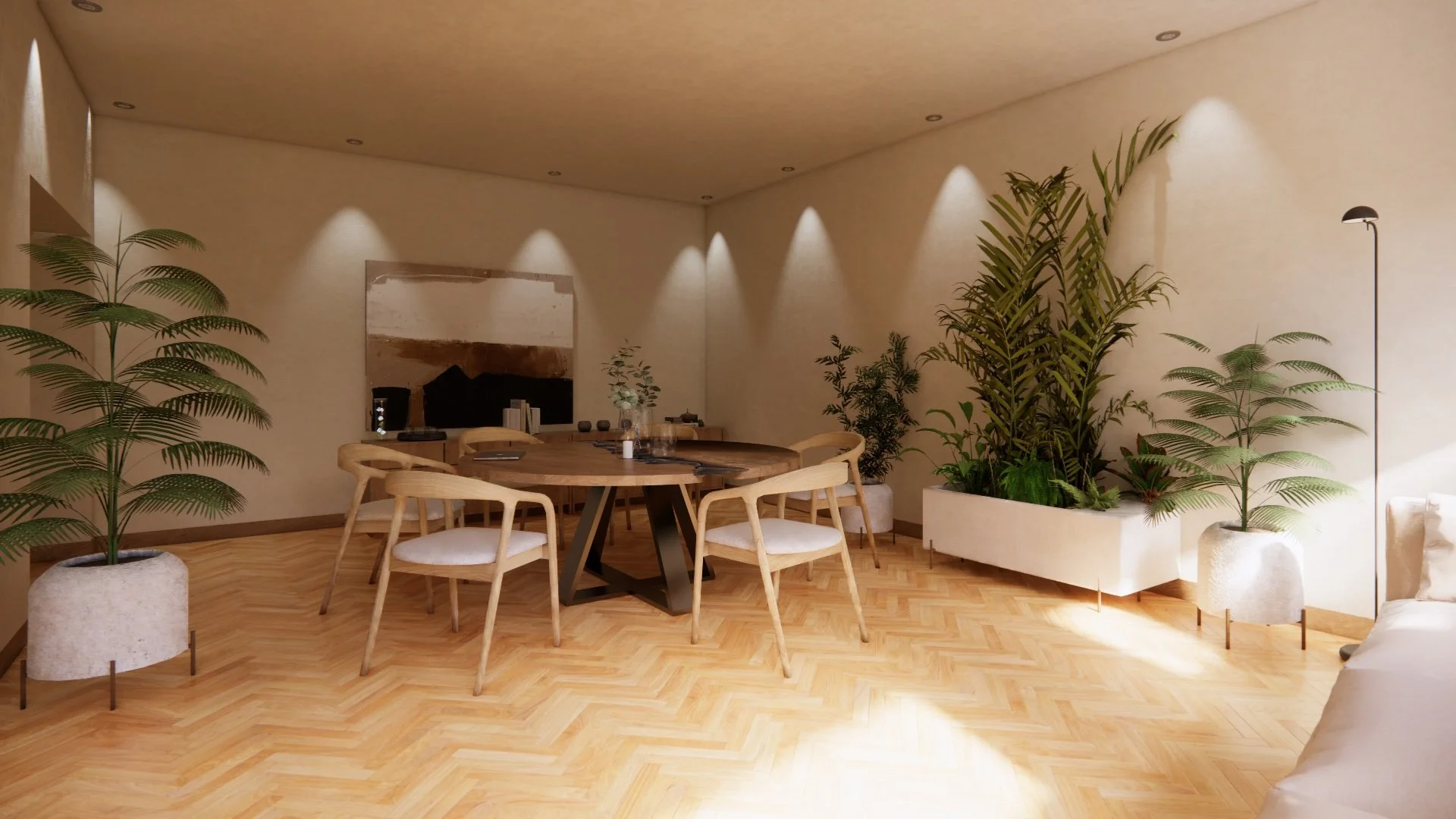
ladies only social room interior design for carnegie mellon university qatar (CMUQ) by biofilico
Where Wellness Design Can Add Value on Campus
Wellness design principles can be applied across a wide range of university environments.
Student lounges and common areas
These spaces should do more than fill leftover square metres. When well designed, they support informal study, rest, social connection and a stronger sense of belonging on campus.
Faculty and staff workspaces
Academic and administrative staff need workplaces that balance focus, comfort, privacy and collaboration. Better staff environments can also reinforce the institution’s overall commitment to wellbeing.
Learning environments and adjacent support spaces
Classrooms, seminar rooms and teaching spaces are important, but so are the adjacent areas that students use before, after and between formal sessions. These transition zones can either support or undermine the overall experience.
Libraries, study rooms and quiet areas
These remain some of the most important wellbeing spaces on campus. They should support different styles of concentration, offer acoustic control and avoid feeling cold or overly institutional.
Research, innovation and mixed-use campus buildings
As universities develop more hybrid buildings that combine academic, social, administrative and innovation functions, the need for strong interior zoning and user-focused planning becomes even more important.
Why Universities Need a More Strategic Approach
Many universities already speak about wellbeing in institutional terms. They invest in student support, mental health services, sports facilities and campus programming. All of that matters. But the physical environment also plays a central role in whether wellbeing ambitions are actually felt day to day.
This is why campus wellness should not be treated as a minor interior design theme. It should be addressed strategically, ideally from the early briefing and planning stages.
A specialist wellness design perspective can help universities define what wellbeing should mean in spatial terms, identify where their current environments are falling short, and translate broader aspirations into practical interior priorities.
That may involve briefing support, design review, healthy interior principles, user-experience mapping or more detailed input into how student, staff and shared spaces are configured.
Wellness Design Is a Practical Advantage for Universities
For universities, wellness design is not just about image. It is a practical advantage.
It can help create more supportive and attractive environments for students. It can improve the everyday experience of staff. It can strengthen the quality and usability of new buildings. It can also help institutions align their physical spaces with the values they increasingly communicate around wellbeing, inclusion and student experience.
In a competitive higher education environment, better buildings are not only about architectural prestige. They are also about how people feel and perform once they are inside.
Final Thoughts
Wellness design for university campuses is about creating healthier, more usable and more human-centred environments for the people who study and work there. It moves the conversation beyond visual concept and toward the practical realities of concentration, comfort, recovery, social interaction and day-to-day experience.
For universities planning new buildings, refurbishments or interior upgrades, the opportunity is clear. Rather than treating wellbeing as a secondary layer, it can be integrated directly into how campus spaces are planned and designed from the outset.
That approach leads to interiors that do more than look contemporary. They work better for the people who rely on them every day.
FAQ Section
What is wellness design for university campuses?
Wellness design for university campuses is the planning and design of interior environments to better support health, comfort, concentration, recovery and daily usability for students, faculty and staff.
Why does wellness design matter in higher education?
It matters because students and staff spend long hours in campus environments. Better lighting, acoustics, layouts and shared spaces can improve concentration, comfort, social connection and the overall quality of the campus experience.
What types of campus spaces benefit from wellness design?
Student lounges, study areas, libraries, classrooms, staff workspaces, meeting rooms, common areas and mixed-use academic buildings can all benefit from a more wellbeing-led design approach.
Is campus wellness design only about student spaces?
No. Staff wellbeing is equally important. Faculty offices, administrative spaces, shared work areas and support environments all affect performance, morale and day-to-day experience.
How is wellness design different from standard campus interior design?
A wellness design approach places stronger emphasis on human experience, including light, acoustics, comfort, materiality, layout, restoration and the practical ways spaces are used every day.
When should universities consider wellness design input?
Ideally at the early briefing, strategy or concept stage, when key decisions about layout, priorities and user experience can still be shaped effectively.
Planning a campus refurbishment, new academic building or interior upgrade?
Biofilico advises universities and education clients on healthy interiors, user-focused planning and wellness-led design strategies for campus environments.
Explore our wellness design and healthy building services or get in touch here via email to discuss your project.