Why Wellness Design Advisory Matters Early in the Process
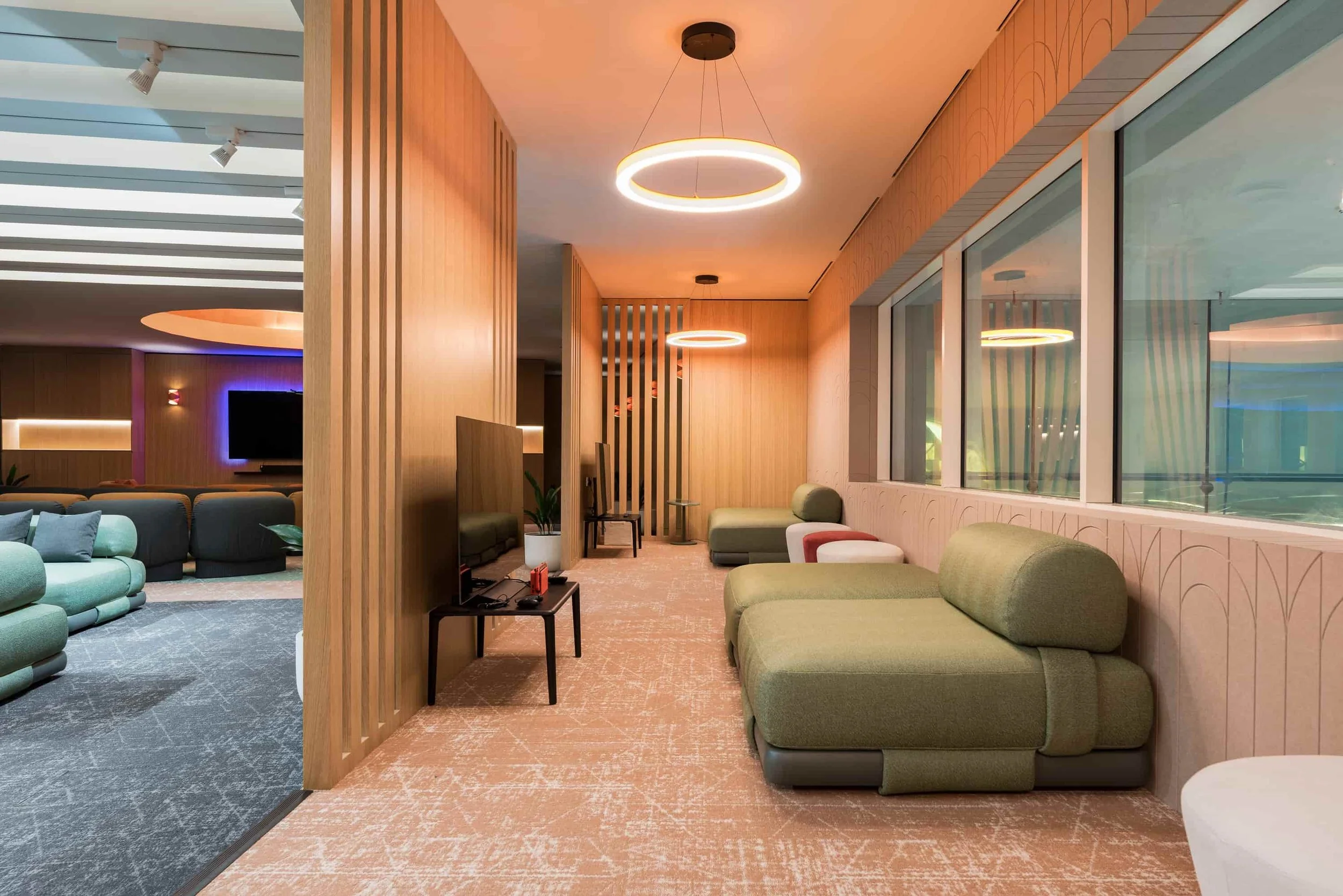
student lounge designed by Biofilico for Carnegie Mellon University Qatar
One of the most common misunderstandings in this field is that wellness design can simply be layered onto a project once the main planning and design decisions have already been made.
In reality, that is often the point at which the greatest opportunities have already been lost.
If a client wants to create a healthier, more wellbeing-led building or interior environment, the most important decisions are usually made early: during briefing, concept development, spatial planning and the first rounds of design thinking. By the time a project reaches later design stages, many of the key factors shaping user experience are already fixed or at least much harder to change.
This is why wellness design advisory is most valuable at the start of the process.
Rather than being treated as a decorative overlay, a specialist wellness perspective should help shape the logic of the real estate project from the outset. That includes how the space is planned, what the priorities are, which user needs matter most, what level of wellness ambition is realistic, and how design decisions can support health, comfort and daily usability in a practical way.
Wellness Is Not Something to Add at the End
In many projects, wellness is introduced too late.
A developer, hotel owner, university or employer may decide they want the scheme to feel healthier, more premium or more aligned with wellbeing. But by the time that ambition is articulated, the project may already be well advanced. Layouts may be largely set. Technical assumptions may be in place. The design team may be focused on finishes, coordination or procurement. At that stage, the conversation often shifts toward visible features rather than deeper design questions.
This is when wellness can become reduced to a short list of amenities or aesthetic gestures:
more planting
a better gym
a spa-like bathroom
natural materials in selected areas
softer branding language around wellbeing
These features may still have value, but they do not address the full potential of wellness design. More importantly, they often fail to engage with the underlying question of how the building or interior actually performs for the people using it.
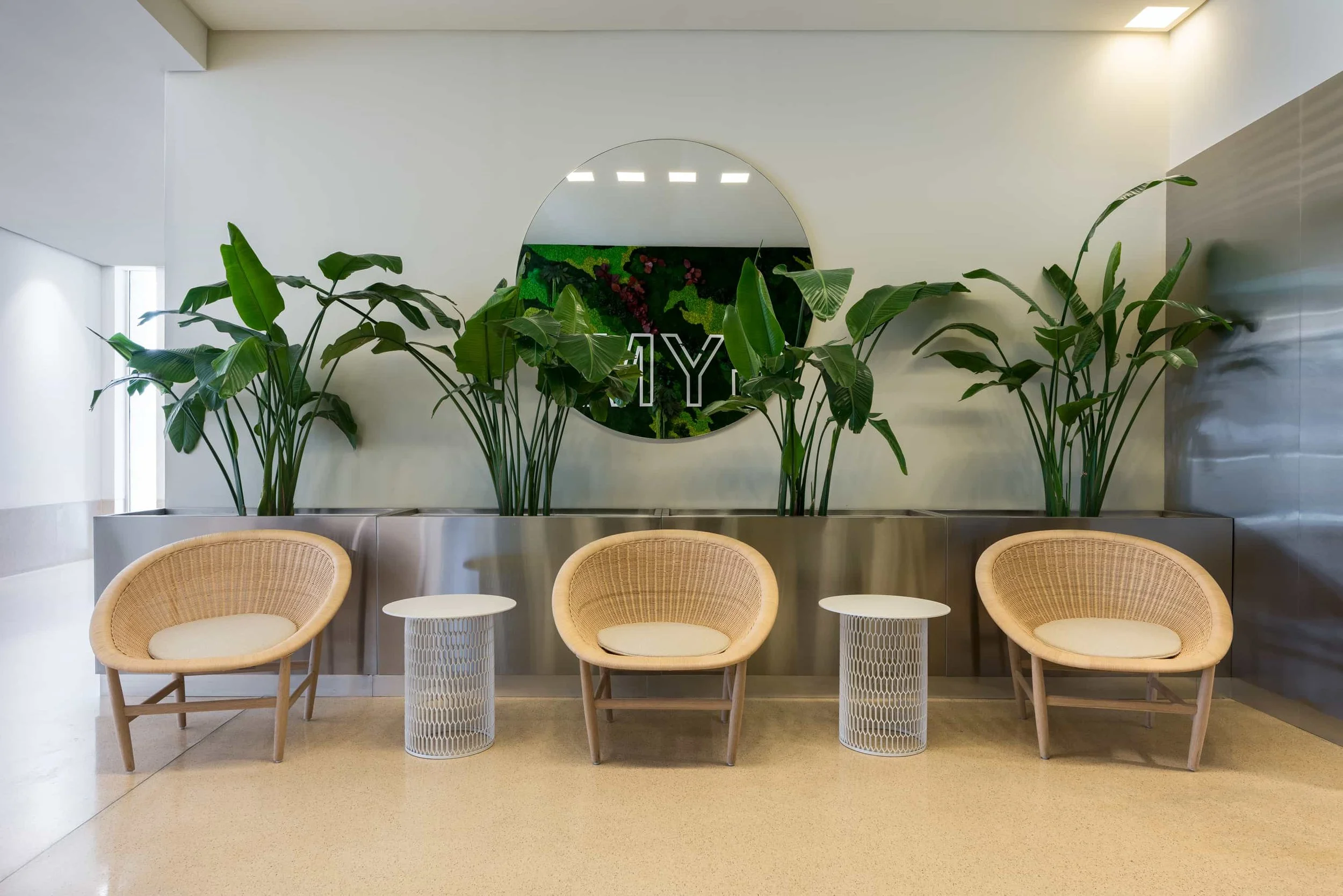
gym entrance ara by Biofilico for Carnegie Mellon University Qatar
The Earliest Decisions Are Often the Most Important
Many of the strongest determinants of wellbeing are shaped before a scheme reaches detailed design.
These include:
the brief itself
the layout and zoning logic
adjacency decisions
the allocation of square metres
the balance between social and quiet uses
the relationship between shared and private space
access to light
circulation quality
the role and purpose of amenities
the positioning of the project in the market
These are not superficial matters. They have a direct effect on how people experience the space every day.
A workplace that struggles with focus may be suffering from early zoning decisions rather than a lack of decorative wellness features. A residential scheme may underperform because apartment layouts, acoustic assumptions or shared amenity priorities were not challenged early enough. A university campus project may look impressive on paper but fail in daily use because the concept was not properly tested against real student and staff behaviour. A hotel may have an excellent spa, but if guestrooms, lighting and public spaces do not support rest and recovery, the wider wellness story will remain fragmented.
In all of these cases, earlier advisory would usually have been more valuable than later embellishment.
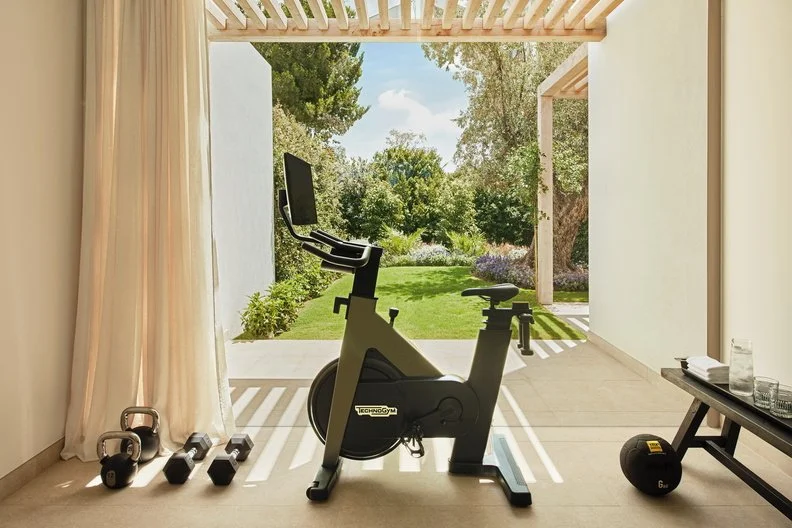
resort villa gym for Ikos Porto Petro Mallorca Spain
What Early Wellness Advisory Actually Involves
Wellness design advisory is not simply a matter of reviewing finishes or suggesting a few healthier materials. When brought in early, it can help shape the project at a much more strategic level.
That may include:
defining what wellness should mean for the specific asset or user group
identifying the design priorities most likely to improve experience and value
aligning stakeholders around a realistic wellness ambition
reviewing the brief through a health and wellbeing lens
improving spatial logic before it becomes fixed
stress-testing amenity ideas against actual use cases
identifying gaps between concept language and practical design outcomes
helping ensure wellness is integrated across the project, not isolated in one department or room
In other words, it is about helping the client move from a broad ambition to a more useful and deliverable design strategy.
Why Different Sectors Benefit from Early Input
The value of early wellness advisory is visible across multiple sectors, even though the specific priorities vary.
Residential and multi-family developments
In residential projects, early advisory can help shape apartment layouts, shared spaces, amenity planning, acoustic priorities, healthier material strategies and the overall resident offer. Once core planning decisions are locked in, it becomes far harder to improve the day-to-day living experience in meaningful ways.
Workplaces
In offices, early input can help define how the space should support focus, collaboration, privacy, decompression and staff wellbeing. It can also help prevent projects becoming too driven by image, density or generic open-plan assumptions.
University campuses
For universities, early advisory can strengthen the relationship between concept and actual use. Student lounges, study spaces, staff areas and mixed-use academic environments often perform best when wellbeing is addressed through functionality, zoning and practical user experience rather than later aesthetic adjustments.
Hotels and hospitality
In hospitality, early wellness thinking can connect guestroom design, public spaces, spa, movement, recovery and brand positioning into one coherent experience. If wellness is considered too late, it often gets confined to specialist amenities rather than informing the wider guest journey.
The Common Problem: Fragmentation
One reason early advisory is so important is that many projects are inherently fragmented.
A typical scheme may involve a developer, operator, architect, interior designer, technical consultants, procurement specialists, brand teams and contractors. Each party may be working toward a different set of priorities. Without a clear wellness lens introduced early enough, the original ambition can become diluted or translated inconsistently.
This is especially common in projects where wellness is seen as desirable, but not yet properly defined.
The result is often familiar: wellness appears in the narrative, but not in the deeper planning logic. The project sounds right, but does not fully work that way in practice.
Early advisory helps reduce this gap. It provides a more consistent reference point for how health, comfort and user experience should be interpreted across the process.
Wellness Advisory Helps Avoid Superficial Decisions
Another advantage of early strategic input is that it helps clients avoid spending money on the wrong things.
Without a clear framework, it is easy for projects to invest in visible wellness features that do little to improve daily experience. A token quiet room may add less value than better acoustic separation. A fashionable amenity may matter less than stronger zoning. A premium material in a lobby may matter less than better lighting and comfort in the core occupied spaces.
This does not mean amenities are unimportant. It means they should follow strategy, not replace it.
A more thoughtful advisory process helps clients decide where wellness investment will have the greatest impact.
The Real Role of the Consultant
In this context, the role of a wellness design consultant is not only to propose ideas. It is to help sharpen judgment.
That means helping clients ask better questions early on:
Who are the real users of this building?
What are they likely to need from the environment day to day?
Which design decisions will most strongly affect their comfort and wellbeing?
Where is the concept strong, and where is it superficial?
Which features are genuinely valuable, and which are mostly symbolic?
How should wellness be reflected in spatial planning, not just visual language?
These are the kinds of questions that improve outcomes before the project becomes too fixed.
Why This Matters Commercially
Early wellness advisory is not just a design issue. It is also commercially relevant.
For developers, it can help create stronger and more differentiated products.
For hotels, it can improve the coherence of the guest experience.
For universities, it can support better student and staff environments.
For employers and landlords, it can create healthier and more effective workplaces.
In each case, the aim is similar: to make the building more valuable by making it work better for the people using it.
That is why early advisory often delivers stronger return than late-stage enhancements. It influences the shape of the project, not just the finish.
Wellness Design Should Start With the Brief
If there is one principle that matters most, it is this: wellness design should begin with the brief.
It should not be added only when the moodboards are being assembled, or when someone decides the project needs a more wellness-led narrative. By then, the conversation is often too narrow.
A stronger approach is to ask from the beginning how the project should support health, comfort, performance, recovery and everyday quality of life, and to ensure those priorities are reflected in the core design logic.
That is where specialist advisory adds the most value.
Final Thoughts
Wellness design advisory matters early in the process because that is when the most important decisions are still open. Once layouts, priorities and assumptions are fixed, the role of wellness often becomes narrower and more cosmetic.
For clients who want to create healthier, more coherent and more valuable buildings, the opportunity is to integrate wellness thinking from the start. That means using it to shape the brief, the planning logic, the user experience and the overall design direction, rather than relying on visible features alone.
In practical terms, that is what turns wellness from a branding theme into a meaningful part of the project.
Starting a residential, workplace, campus or hospitality project?
Biofilico advises clients at the early stages of design to help shape healthier interiors, stronger wellness strategies and more coherent user-focused environments.
Explore our services or get in touch to discuss your project.
FAQ Section
What is wellness design advisory?
Wellness design advisory is specialist input that helps shape buildings and interior environments to better support health, comfort, wellbeing and daily usability. It often includes briefing, concept support, user-experience thinking and design review.
Why is wellness advisory most valuable early in a project?
Because the biggest decisions affecting user experience are usually made during briefing, concept design and early planning. Once those decisions are fixed, it becomes harder to improve the project in meaningful ways.
Can wellness design be added later in the process?
Some elements can be added later, such as certain amenities or finish changes, but the deeper opportunities around layout, zoning, user experience and overall coherence are usually strongest at the start.
Which types of projects benefit from early wellness advisory?
Residential developments, workplaces, universities, hotels and mixed-use projects can all benefit from early advisory, although the priorities vary by sector.
What problems can early wellness advisory help avoid?
It can help avoid superficial amenity decisions, poor spatial logic, fragmented stakeholder priorities, weak user experience and a gap between the project’s wellness narrative and how it actually performs.
What does a wellness design consultant do at the early stage?
A wellness design consultant helps define priorities, interpret the brief through a wellbeing lens, improve planning decisions, test ideas against real user needs and create a more coherent design strategy.
How to Design Healthier Workplaces: What Offices and Study Spaces Have in Common

student study area designed by Biofilico for Carnegie Mellon University Qatar
The conversation around healthier workplaces has evolved significantly in recent years. For a time, many organisations treated workplace wellbeing as a relatively superficial layer: a few plants, some softer furnishings, perhaps a wellness room, better coffee and a more polished staff lounge. Those things can help, but they do not in themselves create a genuinely healthier working environment.
A more serious approach to workplace wellness starts with the fundamentals of how a space actually performs for the people using it day after day.
That applies not only to offices, but also to university study environments. While these two sectors differ in important ways, they share a common challenge: how to create interiors that support concentration, comfort, collaboration, mental clarity and daily ease of use without creating unnecessary stress or distraction.
This is why healthier workplace design should be understood in a broader sense. It is not simply about office aesthetics or amenity trends. It is about designing environments that better support human performance and wellbeing.
Beyond Biophilic Design
Biophilic design has played an important role in reshaping how people think about interior environments. Access to natural materials, greenery, daylight and a stronger connection to nature can make workplaces feel calmer, more humane and more restorative.
However, biophilic design is only one part of the picture.
A healthier workplace also depends on acoustic comfort, lighting quality, ergonomic thinking, clear spatial zoning, thermal comfort, intuitive circulation, healthy materials, visual calm and a better match between the environment and the activities it is meant to support.
In other words, a workplace can include planting and still function badly. Equally, a space can be relatively restrained visually and still perform very well if it has been designed around genuine user needs.
For employers, landlords and universities, this is an important distinction. The goal is not simply to create spaces that look wellbeing-oriented. It is to create spaces that help people work, think, study and interact more effectively.

student study area designed by Biofilico for Carnegie Mellon University Qatar
Why Healthier Workplaces Matter More Now
There are several reasons this topic has become more pressing.
First, expectations have changed. People are more aware of how interior environments affect mood, focus, fatigue and overall daily experience. They notice lighting. They notice noise. They notice whether there is enough privacy, whether the air feels stale, whether the layout feels chaotic and whether the environment helps or hinders concentration.
Second, work and study patterns have become more fluid. Offices now need to support a wider range of activities than before, from focused work and video calls to informal collaboration, social interaction and quiet decompression. Similarly, university study environments often need to accommodate individual focus, group work, digital learning, informal meetings and time spent between scheduled activities.
Third, both sectors face competition. Employers want workspaces that support retention, culture and performance. Universities want academic environments that improve student and staff experience. In both cases, better interiors can contribute to a stronger sense of quality and a more attractive overall proposition.
What Offices and Study Spaces Have in Common
Although offices and university study areas are not the same, they have several design priorities in common.
Both need to support:
concentration without excessive distraction
collaboration without constant noise
visual and mental comfort over long periods of time
healthy levels of social interaction
moments of recovery between cognitively demanding tasks
intuitive movement and clear zoning
a range of settings for different work or study modes
In both environments, people often move between deep focus, lighter tasks, meetings, reading, digital work, conversation and informal pauses. That means the design must respond to different cognitive and social states rather than treating all square metres in the same way.
This is where many projects fall short. They prioritise openness and image, but underdeliver on the quieter, more practical conditions that support real performance.
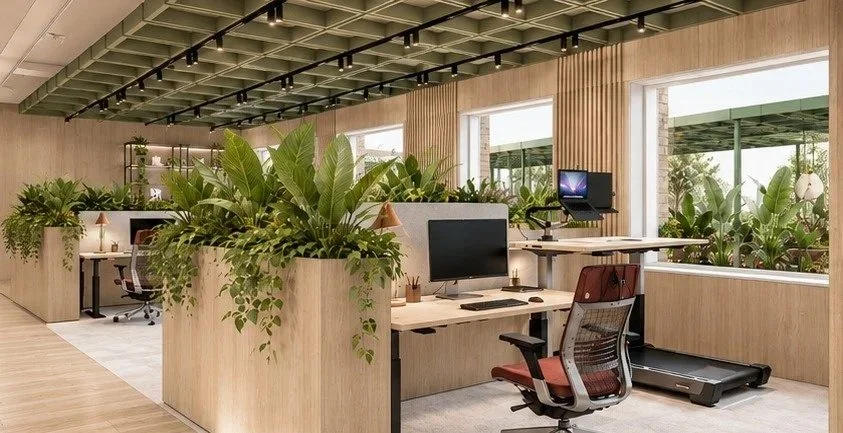
staff office designed by Biofilico for Carnegie Mellon University Qatar
The Key Difference Between Offices and Study Environments
The main similarity between offices and study spaces is the need to support mental performance and daily comfort. The main difference lies in the institutional and behavioural context.
In offices, such as the Bolton corporate offices in Italy, design often needs to reflect organisational culture, team structure, brand identity and different patterns of attendance. There may be a stronger emphasis on collaboration, meeting culture, hospitality elements and hybrid working conditions.
In university study settings, like those we design for Carnegie Mellon University Qatar, the design challenge is often more varied and less predictable. Students may use spaces in different ways throughout the day, from individual study and informal collaboration to resting, reading, working on laptops or simply finding a quiet place between classes. There is often greater diversity of behaviour within the same environment.
This means campus study spaces typically need to offer more flexibility and a broader range of conditions. Offices, by contrast, often benefit from more clearly defined zones tied to specific working styles and organisational priorities.
Despite these differences, the underlying design logic remains highly comparable.
Common Mistake: Designing for Openness at the Expense of Focus
One of the most common problems in both offices and study environments is the overemphasis on openness, transparency and social energy without enough regard for concentration.
Open-plan offices can become noisy, visually distracting and mentally tiring when acoustic control and zoning are weak. Likewise, study environments that rely too heavily on open communal space can leave students without enough quiet, comfortable areas for serious focus.
This does not mean collaborative space is unimportant. It means balance is essential.
A healthier interior environment should not force every user into the same mode of behaviour. It should provide a spectrum of conditions, from active and social to quiet and restorative.
Key Principles for Healthier Offices and Study Spaces
1. Support Multiple Modes of Work and Study
People do not perform one type of task all day. They alternate between concentration, collaboration, communication, reading, digital work, informal interaction and rest.
A healthier workplace or study environment recognises this and provides a variety of settings. These may include quiet focus areas, collaborative tables, enclosed meeting or study rooms, lounge-style touchdown spaces and calmer transitional areas.
The more varied the cognitive demands, the more important this spectrum becomes.
2. Prioritise Acoustic Comfort
Acoustics are among the most important and most undervalued aspects of healthier interior design.
In offices, poor acoustic performance reduces concentration, compromises privacy and increases fatigue. In university study spaces, it can make serious academic work much harder, especially when quiet and active uses are not adequately separated.
Acoustic strategy should therefore be considered early. That includes zoning, materiality, ceiling treatment, soft finishes, enclosure, partitioning and the relationship between circulation and focused areas.
A space that looks contemporary but sounds chaotic will rarely feel healthy.
3. Use Lighting to Support Focus and Wellbeing
Lighting affects alertness, mood, visual comfort and perceived quality in both offices and study spaces.
Daylight is highly valuable, but it is not enough on its own. Artificial lighting needs to support screen use, reading, meetings, transitions through the day and longer periods of concentration. Poorly balanced lighting can make a space feel fatiguing, flat or institutional.
A more thoughtful lighting strategy helps create environments that feel both more comfortable and more capable.
4. Make Layout and Zoning Intuitive
Healthier interiors reduce friction. People should be able to understand where to focus, where to collaborate, where to make calls, where to pause and where to have more private conversations.
When zoning is unclear, behavioural conflict increases. Social groups take over quiet areas. Circulation disrupts concentration. Phone calls spill into shared spaces. Lounge areas become noisy work zones. The result is low-level stress and reduced usability.
Good layout planning makes behaviour easier and more natural. It does not rely on signage alone to solve spatial problems.
5. Create Restorative Spaces, Not Just Functional Ones
Both workers and students benefit from places to reset between more demanding tasks. These spaces do not need to be large or luxurious, but they should feel distinct from corridors and generic waiting zones.
In an office, this may mean quieter breakout areas, softer seating zones or spaces that allow brief decompression without forcing social interaction. In a university, it may mean calm common areas, quieter lounges or intermediate study settings that are less formal than a library but more restorative than a corridor bench.
Restorative space is often underestimated, yet it can significantly improve the emotional tone of an environment.
6. Choose Materials That Support Calm and Credibility
Material choices matter in both sectors. Overly hard, shiny or visually aggressive interiors can increase stress and reduce comfort. Tactile, durable and balanced material palettes tend to create spaces that feel calmer and easier to inhabit.
In offices, materials may need to balance wellness, durability and brand expression. In campus study spaces, they may need to perform under heavier wear while still avoiding an institutional feel. In both cases, healthy interior design benefits from materials that feel grounded, robust and human-centred.
7. Think About Daily Experience, Not Just Feature Lists
A healthier workspace is not defined by the presence of isolated features. It is defined by the overall experience of spending time there.
The same applies to study spaces. Users do not evaluate a space only by whether it includes a phone booth, a café or a branded wellness room. They evaluate it by whether they can think clearly, feel comfortable, find the right kind of setting and move through the environment without unnecessary stress.
This is why design quality often matters more than amenity quantity.
Where Offices and Study Spaces Should Diverge
While the similarities are strong, there are also useful differences in emphasis.
Offices
Healthier offices should usually place greater focus on:
team dynamics and collaboration styles
hybrid working patterns
meeting culture
acoustic privacy for calls and discussions
the balance between brand identity and daily usability
staff wellbeing as part of retention and culture
Study spaces
Healthier study environments often need stronger emphasis on:
variety of individual and group study settings
long-duration seated comfort
low-cost restorative spaces between classes
intuitive transitions between active and quiet areas
students’ need for both autonomy and belonging
accommodating highly varied patterns of use throughout the day
In practice, however, both sectors benefit from the same central principle: designing around real human behaviour rather than idealised plans.
Why Strategic Advisory Matters
Many office and campus projects involve multiple competing priorities. Leadership teams may want a strong visual identity. Estates teams may prioritise efficiency. Designers may be asked to create flexibility. Users may want more comfort and clarity. Budget pressures may push the project toward generic solutions.
This is where a wellness-led advisory perspective can add value.
A specialist consultant can help define what healthier performance should mean for the space, identify where the greatest user-experience gains can be made, and ensure the design does not become too focused on aesthetics or headline features at the expense of daily functionality.
That may involve early briefing, design review, layout feedback, material strategy, amenity thinking or a broader user-experience lens across the project.
Healthier Workplaces Are a Design and Performance Issue
Ultimately, healthier offices and study spaces are not just about appearance. They are about performance.
They affect how well people can focus, interact, recover, think clearly and spend time in a building without avoidable stress. They influence employee experience, student satisfaction, staff comfort and the perceived quality of an organisation or institution.
This is why healthier workplace design deserves to be taken seriously, not as a trend, but as a practical design and strategic issue.
Final Thoughts
Designing healthier workplaces means creating environments that support concentration, collaboration, comfort and wellbeing in a more balanced and practical way. That applies strongly to offices, but many of the same principles also apply to university study spaces, where mental performance, acoustic comfort, lighting and restorative environments matter just as much.
The most successful projects are rarely those with the longest amenity list or the most fashionable visual language. They are the ones that understand how people actually work and study, and translate that understanding into better spatial decisions.
For employers, landlords and universities, that is where the real opportunity lies.
Planning an office refurbishment, workplace strategy project or healthier campus study environment?
Biofilico advises employers, landlords and universities on healthy interiors, wellness strategy and wellbeing-led design for workplaces and study spaces.
Explore our services or get in touch to discuss your project.
FAQ Section
What is a healthier workplace?
A healthier workplace is an office or working environment designed to better support concentration, comfort, collaboration, wellbeing and day-to-day usability through elements such as lighting, acoustics, layout, air quality and material selection.
How is healthier workplace design different from biophilic design?
Biophilic design is one part of the picture, focusing on nature connection, greenery and natural materials. Healthier workplace design is broader and also includes acoustics, lighting, zoning, comfort, ergonomics and how the space supports real work patterns.
What do offices and university study spaces have in common?
Both need to support focus, collaboration, comfort, intuitive movement, restorative pauses and a range of work or study modes. In both cases, design should respond to different cognitive and social needs throughout the day.
Why are acoustics so important in offices and study spaces?
Poor acoustics increase stress, reduce concentration and make spaces harder to use effectively. In both offices and study environments, acoustic comfort is central to performance and wellbeing.
What makes a study space healthier?
A healthier study space offers good lighting, strong acoustic control, a mix of quiet and collaborative settings, comfortable seating, intuitive zoning and areas where students can reset between demanding academic activities.
What does a wellness design consultant do for workplace or campus projects?
A wellness design consultant helps shape healthier interior environments by advising on briefing, layouts, user experience, lighting, materials, amenity strategy and wellbeing-led design priorities.
What is Wellness Interior Design? A Practical Definition for Developers and Operators
student study space by Biofilico at Carnegie Mellon University Qatar
Author: Matt Morley, WELL Advisor · Fitwel Ambassador
If you search for "wellness interior design" you'll find a lot of content about spa-like bathrooms, houseplants and linen cushions. That's not what this article is about.
Wellness interior design, as a professional discipline applied to commercial and residential development, is something considerably more specific — and more useful — than the aesthetic trend the phrase often conjures.
It's also genuinely difficult to find a clear, practical definition aimed at the people who commission it: developers, hotel operators, university estates teams, workplace directors and the architects and design teams who work alongside them.
This is that definition.
The short version
Wellness interior design is the practice of shaping interior environments to actively support the physical and mental health of the people who use them — through evidence-based decisions about space, materials, light, acoustic performance, air quality and user experience.
The key word is actively. Wellness interior design is not primarily about aesthetics, though a well-executed wellness interior is almost always intended to be beautiful.
It is about design decisions that have a measurable or demonstrable effect on how people feel and function in a space — their stress levels, sleep quality, cognitive performance, physical comfort and sense of calm.
It is therefore distinct from general interior design in its priorities. A standard interior design brief prioritises visual appeal, brand expression and spatial efficiency. A wellness interior design brief prioritises those things and adds a layer of health-oriented thinking that shapes choices about materials, lighting systems, acoustic treatment, ventilation strategy and the spatial logic of how people move through and use a space.
What it is not
Before going further, it helps to clear up what wellness interior design is frequently confused with.
It is not the same as biophilic design.
Biophilic design — the integration of natural elements, materials and patterns into interior environments — is one tool within wellness interior design, and an effective one.
But a wellness interior brief extends well beyond biophilia to encompass air quality management, acoustic performance, lighting design, materials specification and spatial layout. A room full of plants but with poor ventilation, harsh fluorescent lighting and high ambient noise is not a wellness interior.
It is not the same as sustainable or green design.
Sustainability addresses the environmental performance of a building — its carbon footprint, energy consumption, material sourcing and end-of-life impact.
These are important objectives and ones that frequently overlap with wellness interior design, particularly around materials specification and indoor environmental quality.
But a sustainably certified building is not automatically a healthy or wellness-led interior, and vice versa.
It is not an aesthetic style.
There is no single visual language for wellness interior design.
A clinical research facility, a luxury branded residence, a university meditation room and a hotel recovery suite can all be wellness-led interiors with radically different aesthetics.
What they share is not a look but a set of underlying design priorities.
It is not a luxury add-on.
Wellness is no longer an extra room — it has become a main consideration that clients have in mind from the beginning of the design process.
The design decisions that most affect occupant health — ventilation strategy, materials specification, acoustic treatment, lighting quality — are made at the start of a project, not at the end.
Wellness interior design is most effective, and most cost-efficient, when it is embedded in the brief from the outset rather than layered on as a finishing touch.
The six design variables that define a wellness interior
In practice, wellness interior design operates across six interconnected variables. Each one can be addressed independently, but the most effective wellness interiors treat them as a system.
The air inside most buildings is measurably worse than the air outside — a product of off-gassing from synthetic materials, inadequate ventilation, particulate accumulation and VOC emissions from finishes, adhesives and furnishings.
A wellness interior brief treats IAQ as a foundational design parameter: specifying low-VOC materials and finishes, designing for adequate ventilation and filtration, avoiding materials with persistent chemical additives, and where appropriate integrating continuous air quality monitoring.
This is one of the highest-impact interventions available in any interior environment and one of the most systematically under-specified in standard development.
Light affects human health through two distinct mechanisms: its visual quality — the way it renders a space, creates atmosphere and supports wayfinding — and its biological effect on circadian rhythms, alertness, mood and sleep. Wellness-led lighting design addresses both.
Maximising natural daylight through layout and glazing decisions, specifying circadian-aware artificial lighting that shifts in colour temperature and intensity through the day, and ensuring that sleeping environments achieve genuine darkness — these are the lighting decisions that make a demonstrable difference to how occupants feel.
Clients aren't just asking for spaces that look good — they want spaces that feel good and regulate their experience. Light is one of the primary mechanisms through which an interior delivers or fails that expectation.
Noise is one of the most significant and least addressed stressors in built environments. Unwanted sound — from adjacent spaces, mechanical systems, external sources and hard reflective surfaces within a room — drives cortisol levels, disrupts sleep, impairs cognitive function and reduces the perceived quality of a space regardless of its visual appeal.
Wellness interior design treats acoustic performance as a health parameter: specifying acoustic treatment as a design requirement rather than a remedial measure, modelling performance before construction, and making informed choices about floor, wall and ceiling finishes based on their acoustic as well as aesthetic properties.
The materials specified in an interior — its flooring, wall coverings, paint, furniture, upholstery, adhesives and sealants — affect the air occupants breathe, the chemicals they're exposed to over time, and their broader sensory relationship with the space.
A wellness-led materials specification prioritises products with low VOC emissions, avoids finishes with known harmful chemical additives, and where possible draws on natural, mineral and biobased alternatives that perform well without degrading indoor air quality.
This is an area where the gap between standard specification practice and wellness-led practice can be significant — not because healthier alternatives are expensive or difficult to source, but because the question of what a material contains is rarely asked in standard design and procurement processes.
5. Thermal comfort and environmental control
Temperature, humidity and the degree of personal control occupants have over their immediate thermal environment directly affect comfort, productivity and perceived wellbeing.
Wellness interior design considers thermal comfort at the brief stage — through HVAC strategy, the thermal performance of the building envelope, solar gain management and the provision of individual control where possible.
Occupants who can adjust the temperature of their immediate environment report consistently higher wellbeing and performance levels than those in fixed-condition spaces.
6. Space planning for health behaviours
The layout of a space shapes behaviour — whether people move or remain sedentary, whether they interact or isolate, whether they rest and recover or remain in a state of low-level stimulation.
Wellness-led space planning considers the health implications of spatial decisions: stair design that encourages use over lifts, the positioning of social and restorative spaces relative to circulation routes, the provision of varied environments — active, focused, social, quiet — within a single building.
This is what is sometimes called active design, and it operates at every scale from the single room to the building masterplan.
How it differs across sectors
The brief for wellness interior design varies significantly depending on the building type and client, even though the underlying design variables remain consistent.
In luxury hospitality, wellness interior design focuses on the guest experience — the sensory quality of the bedroom environment, the performance of the gym and recovery amenity, the spatial logic of the spa and the coherence of the wellness narrative across all guest touchpoints. The commercial context is competitive differentiation and premium positioning.
In residential development — including branded residences, co-living and PBSA — the focus shifts to the daily living environment: IAQ in apartments, acoustic separation between units, healthy materials in finishes and furniture, and amenity design that supports movement, recovery and social connection. The commercial context is sales differentiation and long-term resident retention.
In workplace and commercial real estate, wellness interior design often intersects with healthy building certification frameworks — WELL and Fitwel in particular — and focuses on the environments that support employee wellbeing, cognitive performance and physical health across a working day. The commercial context is talent attraction, ESG reporting and occupier demand.
In university and campus environments, the focus is on student and staff wellbeing: the design of dedicated wellbeing spaces, the sensory quality of study and social environments, and the acoustic and lighting performance of learning spaces. The commercial context is student experience, mental health provision and institutional reputation.
In wellness venues — spas, fitness studios, retreat centres, recovery clubs — wellness interior design is the core brief rather than a layer within a broader project. The entire spatial experience is oriented around a health outcome, and every design decision from entry sequence to material palette to lighting transitions serves that purpose.
What a wellness interior design consultant actually does
The role varies by project stage and brief. At the earliest phase, it typically involves defining what wellness means in practice for a specific project — translating a developer's or operator's ambitions into a concrete design brief with specific parameters around IAQ, materials, lighting, acoustics and spatial strategy.
Through the design process, it involves reviewing and advising on the decisions being made by the wider design team — material selections, lighting specifications, acoustic treatment, ventilation strategy — through a wellness lens. Not replacing the architect or interior designer, but adding a specialist layer of health-oriented thinking to the decisions that most affect occupant experience.
At Biofilico, we work across all five sectors described above, typically alongside an existing design team rather than in place of one. Our role is to ensure the wellness ambitions in the brief are reflected in the design decisions that actually determine how a space feels and functions — the ones that are made early and are difficult to reverse.
That specialist input is most valuable, and most cost-effective, at the beginning of a project. The design decisions that most affect occupant health are the same ones that are most expensive to change after the fact.
Why it matters now
The interior design industry's focus has broadened beyond traditional aesthetics to encompass wellness-focused environments and healthy materials — and that shift is being driven by demand from the people who use buildings, not just the people who design them.
Tenants, hotel guests, residents, students and employees are increasingly aware of the relationship between their environment and their health, and increasingly willing to act on that awareness — in the choices they make about where to live, work, stay and study.
For developers and operators, wellness interior design is the discipline that translates that demand into specific, buildable, commercially defensible design decisions. It is not a trend, and it is not an aesthetic. It is a set of evidence-based practices that make interiors healthier, more comfortable and more compelling for the people who use them — and more valuable for the people who own them.
Matt Morley is the founder of Biofilico, a wellness interior design consultancy based in Barcelona and London, operating across Europe and the Middle East. He holds WELL Advisor credentials for the Movement and Mind chapters, he is a Fitwel Ambassador and a TEDx speaker.
Biofilico works with developers, operators, universities and design teams on wellness interior design, healthy building strategy and wellbeing-led environments across hospitality, residential, workplace, university and wellness sectors.
How to Design a Student Wellbeing Space That Actually Gets Used
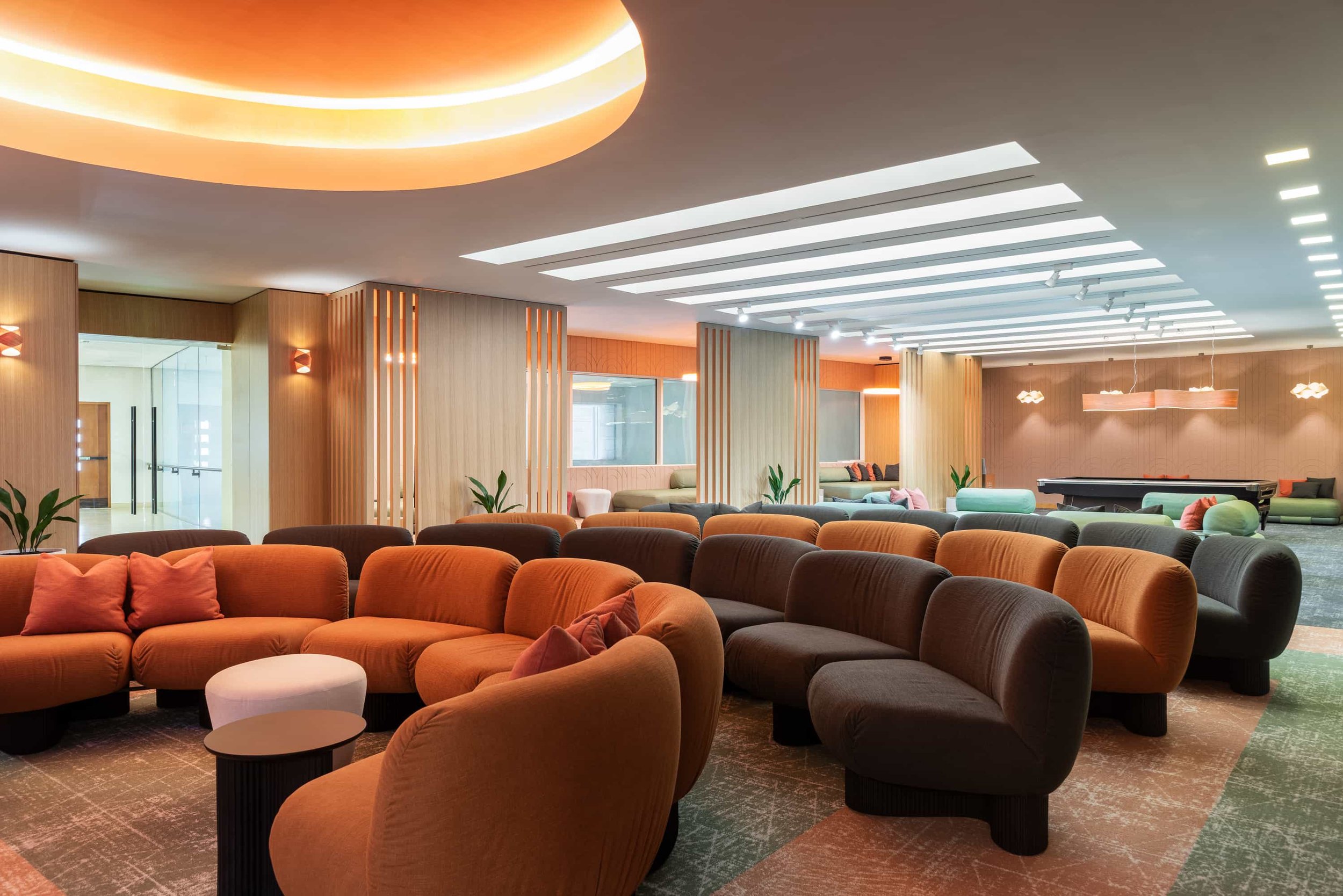
student lounge - carnegie mellon university qatar by biofilico
How to Design a Student Wellbeing Space That Actually Gets Used
There is no shortage of intention when it comes to student wellbeing on university campuses right now. Universities are taking student wellbeing extremely seriously, with many investing in specialist support structures and interventions, and thinking critically about the best ways to reconfigure their estates and campuses to enrich student wellbeing. Budgets are being allocated. Rooms are being designated. Wellness is appearing in estates strategies across higher education in the UK, Europe and the Middle East.
And yet the pattern I encounter most often when a university contacts Biofilico about a wellbeing space brief is this: a room exists, it has been given a name — wellness room, mindfulness room, reflection space, quiet room — and it isn't being used in the way anyone hoped.
The physical space was created. The intention was right. But somewhere between the decision to invest and the finished room, the design brief got vague, the specification got generic, or the activation wasn’t delivered fully and the result is a space that students walk past rather than into.
This article is about why that happens and what to do differently.
The brief problem
Most campus wellness spaces fail at the brief stage, not the design stage. The design team — whether an in-house estates team or an external architect — is asked to create a "wellness room" without a sufficiently specific articulation of what that means, who it is for, how it will be used and what it needs to feel like.
The result is typically a room that tries to be everything: a meditation space, a quiet study area, a drop-in counselling waiting room and a social decompression zone simultaneously. Spaces designed for multiple conflicting uses without clear spatial logic tend to serve none of them well.
Student health and wellness is no longer solely focused on providing care for students with physical or mental illness. These spaces are increasingly incorporating programmes and spaces that are more holistic and inclusive, with dedicated areas for massage and aroma therapies, multipurpose rooms and sensory spaces for respite and quiet not otherwise offered on campus. That breadth of ambition is a positive development — but it requires a more sophisticated brief, not a more generic one.
The first job on any campus wellbeing brief is to be specific about what the space is for. And that requires understanding the difference between the space types that are often conflated.
Understanding the space types
These terms are used interchangeably in estates discussions but they describe meaningfully different briefs:
A mindfulness or meditation room is a dedicated space for contemplative practice — seated or lying, quiet, with no incidental traffic. It needs excellent acoustic isolation, controllable low-level lighting, a considered material palette that signals calm, and a layout that can accommodate both individual and small group use. Access needs to be easy and low-friction — a mindfulness room that requires booking three days in advance via a portal will not be used.
A wellness room is a broader term that typically covers a range of restorative and self-care activities — breathwork, stretching, light yoga, brief rest. It needs more floor area than a mindfulness room, height-adjustable lighting, a hard-wearing but comfortable floor surface, and enough acoustic separation to allow movement without disturbing adjacent spaces.
A reflection or prayer space has specific requirements around orientation, symbolic neutrality, floor surfaces for prostration, ritual washing adjacencies, and a completely different spatial logic from a secular wellness room. Conflating these briefs — as many campuses do — produces spaces that serve neither community well.
A mental health drop-in or quiet room adjacent to student counselling services has specific clinical adjacency requirements, safeguarding considerations, and a need for discreet access that distinguishes it from a general wellness space. The design must reduce stigma around entering while maintaining the confidentiality that users need.
Getting this distinction right in the brief — deciding which space type or combination of types is actually needed — is the single most consequential decision in a campus wellbeing project. It shapes every subsequent design decision.
The five design principles that make the biggest difference
Once the brief is correctly set, the design decisions that determine whether a wellbeing space actually works come down to five variables.
1. Sensory environment
A wellbeing space should feel immediately and perceptibly different from the corridors and study spaces around it. That shift is created through a combination of acoustic treatment, lighting quality, material palette, scent and thermal comfort — working together rather than in isolation. A room with good acoustic panels but harsh fluorescent lighting still feels stressful. A room with warm lighting but hard reflective surfaces still feels loud.
The sensory environment needs to be considered holistically, with each element reinforcing the intended atmospheric effect. Natural materials — timber, cork, linen, stone — create a qualitatively different sensory experience from synthetic alternatives and are worth specifying even at a modest budget level.
2. Acoustic performance
Universities are investing in spaces that support students' mental wellbeing — counselling centres, quiet rooms, spaces for meditation — and the role of space, light, sound and décor in student learning and healthy living is gaining serious attention. Sound is the most frequently overlooked variable in this investment.
A quiet room that isn't acoustically quiet is a design failure. This means specifying acoustic performance as a hard requirement — not as an aspiration — from the brief stage.
Wall and ceiling treatment, floor finish, door seals, mechanical noise from HVAC, sound bleed from adjacent spaces: all of these need to be addressed explicitly. Acoustic modelling at the design stage costs a fraction of what remedial acoustic treatment costs after occupation.
3. Lighting controllability
Controllable lighting — the ability for the occupant to adjust the intensity and colour temperature of the space — is one of the highest-impact design decisions available at low additional cost. A wellbeing space that has only one lighting state is a space that will be used only when that state matches the user's need.
A space with a simple dimmer and a warm/cool option can serve morning energy practices, midday focus sessions and evening wind-down use with the same physical configuration.
Circadian-aware lighting systems, which shift automatically through the day toward warmer, lower tones in the evening, are the more sophisticated version of this and increasingly accessible even at modest specification budgets.
4. Furniture flexibility
Students value adaptable learning environments, collaborative social areas, inclusive facilities, and spaces that foster wellbeing. A wellbeing space that has fixed furniture cannot adapt to the range of uses students actually bring to it.
Lightweight moveable seating, stackable cushions and floor-level options — supported by discreet storage — allow the space to reconfigure for individual use, small group breathwork, a visiting practitioner session or a quiet study period without requiring estates intervention. The temptation to specify heavy, expensive furniture that photographs well but doesn't move is a recurring brief error.
5. Access and discovery
A wellbeing space that is hard to find, requires advance booking, has restricted opening hours or is located in a building students associate with clinical services will not attract the students who most need it. Location matters enormously — a wellbeing room positioned on a circulation route that students use daily, near a café or social space, is used more frequently than an identical room tucked behind the estates office.
Access should be as frictionless as possible: a simple sign-in, a door code available to all enrolled students, or open-access hours alongside bookable sessions. The user journey from the moment a student decides they need a quieter space to the moment they are sitting in one should involve as few steps as possible.
What the estates team needs to consider before briefing
Beyond the design itself, there are three operational questions that shape the brief and that are best resolved before design work begins.
Supervision and safeguarding. A dedicated wellbeing space has different supervision requirements from a library or study room. Who is responsible for the space? Is it staffed or unsupervised? What happens if a student in distress uses it? These questions don't require clinical answers at the design stage, but they do affect adjacency decisions, sightline considerations and the relationship between the physical space and the student services team.
Integration with student services. A wellbeing space that operates in isolation from the wider student support ecosystem — counselling, health services, wellbeing programmes — is less effective than one that is physically or programmatically connected to it. Even a simple referral pathway or a noticeboard that links the physical space to available support services creates a more coherent offer.
Programming. An empty room with good acoustics and warm lighting is still an empty room without activation. Even a light programme — a weekly guided meditation, a visiting breathwork practitioner, a monthly wellness talk — transforms how a space is perceived and used. Programming should be budgeted alongside the capital design investment, not treated as an afterthought once the space opens.
What we've learned from delivering these spaces
Having designed student wellbeing environments at Carnegie Mellon University Qatar — including a mindfulness room, student gyms, activity room, staff lounges, study areas and a student lounge — and worked with Karolinska Institutet in Stockholm on a healthy gym space for students at the centre of campus, the pattern that emerges across both projects is consistent.
The spaces that work are the ones where the brief was specific, the sensory environment was designed holistically, the acoustic performance was treated as a non-negotiable, and the access logic was considered from a student user's perspective rather than an estates management perspective. The spaces that struggle are the ones where the brief stayed vague, where generic furniture and standard lighting were specified, and where no one asked the question: would a stressed second-year student actually choose to come here?
That question — would a student actually choose this space over the alternatives available to them — is the most useful design evaluation tool on a campus wellbeing brief. It keeps the student experience at the centre of decisions that can otherwise drift toward institutional logic.
The design of a university campus plays a vital role in expressing an institution's values and academic identity, while creating welcoming environments where students feel they belong. A wellbeing space, done well, does both of those things simultaneously. It expresses a genuine commitment to student health and it creates a room that students actually want to be in.
Getting the brief right is how you ensure the outcome is the second of those things, not just the first.
Matt Morley is the founder of Biofilico, a wellness interior design consultancy operating across Europe and the Middle East. He holds WELL Advisor credentials for the Movement and Mind chapters, he is also a Fitwel Ambassador. Biofilico works with universities, estates teams and student accommodation developers on campus wellbeing space design, healthy building strategy and wellness interior design.
Wellness Design for University Campuses: Creating Healthier Spaces for Students and Staff
University wellbeing is not only about student support services or campus branding. It also depends on how academic buildings, lounges, workspaces and shared interiors are designed to support focus, comfort, recovery and daily use.
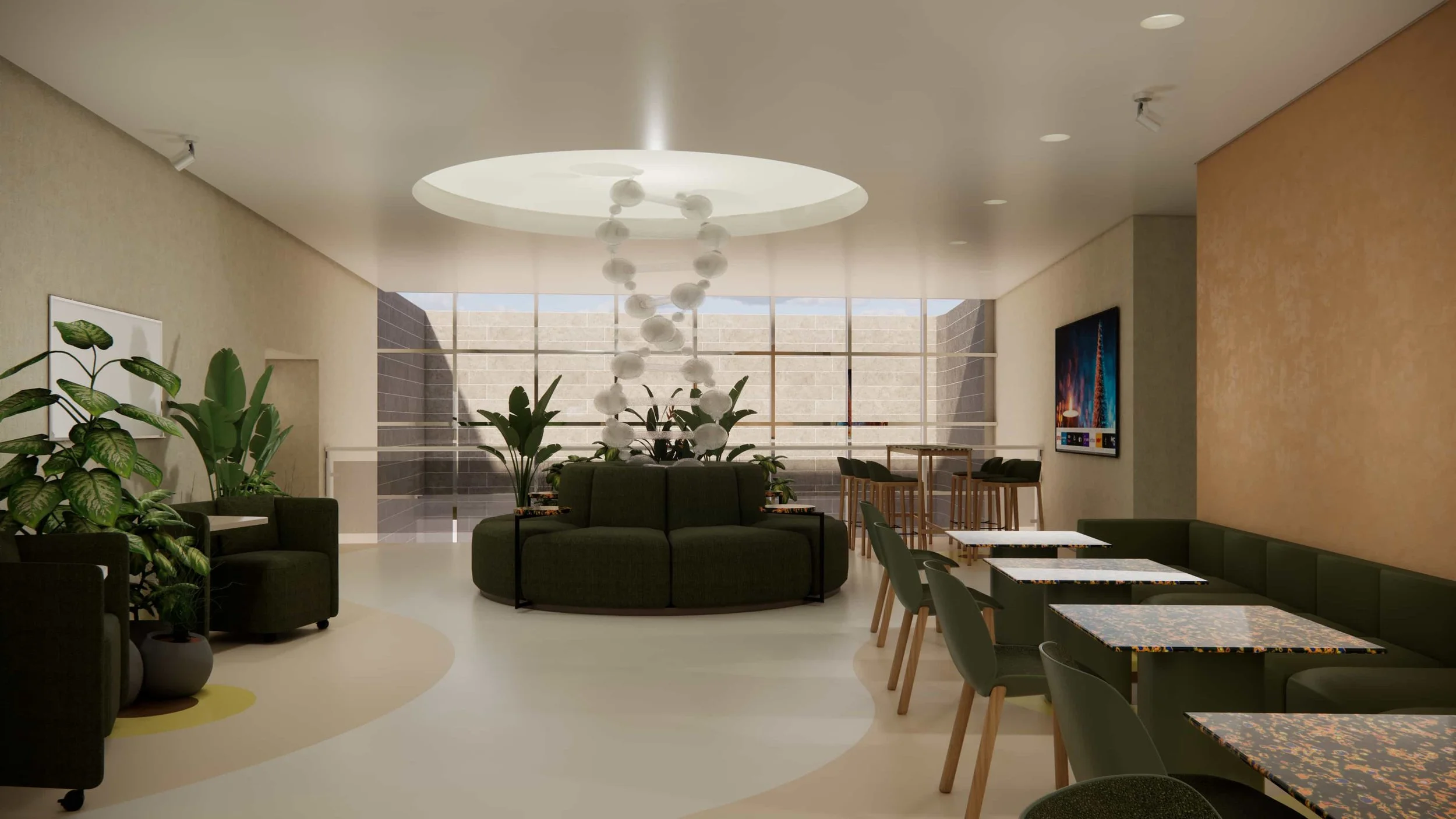
Biology Lab communal area design concept by Biofilico for Carnegie Mellon University Qatar (CMUQ)
“Campus wellbeing is shaped not only by services and programming, but by how spaces feel and function every day.”
University campuses are often discussed in terms of academic reputation, architecture, student life and estate expansion. Less attention is typically given to the interior quality of the buildings themselves and how those environments affect the daily wellbeing of the people using them.
That is starting to change.
Across higher education, there is growing recognition that students, faculty and staff perform better in spaces that are not only functional, but also healthier, calmer and more supportive of concentration, collaboration and recovery. This is where wellness design becomes highly relevant.
For universities, wellness design is not about adding a few lifestyle features or creating a more marketable visual identity. It is about improving how campus interiors actually work. That includes the quality of light, acoustics, air, materials, layout, social spaces, staff environments and the overall ease or friction of daily use.
A university building may be visually impressive and still fall short as a wellbeing-led environment. Equally, a more modest space can perform extremely well when it is planned around real user needs and practical everyday experience.
Why Wellness Design Matters on University Campuses
Students and staff spend long hours in campus environments. They move between classrooms, study areas, labs, offices, lounges, meeting spaces, food and beverage settings and circulation zones throughout the day. Their experience is shaped not just by academic programming, but by how those spaces feel and function over time.
When campus interiors are poorly lit, acoustically harsh, confusing to navigate or lacking in restorative spaces, the effect is cumulative. Stress increases. Focus declines. Informal collaboration becomes more difficult. Staff comfort is reduced. Students may have fewer places to decompress between demanding academic activities.
By contrast, when universities invest in healthier, more thoughtful interior environments, the benefits can extend across the institution. Better campus spaces can support concentration, comfort, social connection, staff performance and the overall perception of quality.
This is particularly important as universities compete not only on academic standing, but also on student experience, staff retention and the attractiveness of their physical environments.
Beyond Architecture: Why Interiors Matter More Than Many Universities Realise
In higher education projects, large amounts of attention are often focused on the architectural concept, the exterior expression of the building and the headline narrative around innovation or identity. Interiors can then become overly driven by aesthetics, late-stage value engineering or generic workplace and education standards.
That is a missed opportunity.
Interior environments are where students and staff spend most of their time. They shape whether a campus building feels welcoming, stressful, energising, institutional, flexible or outdated. They influence whether people can concentrate properly, hold meetings comfortably, study informally, recover between sessions or feel proud of the institution they belong to.
Wellness design helps universities move beyond the idea of interiors as decoration. Instead, interiors become part of a broader strategy for supporting wellbeing, usability and performance.
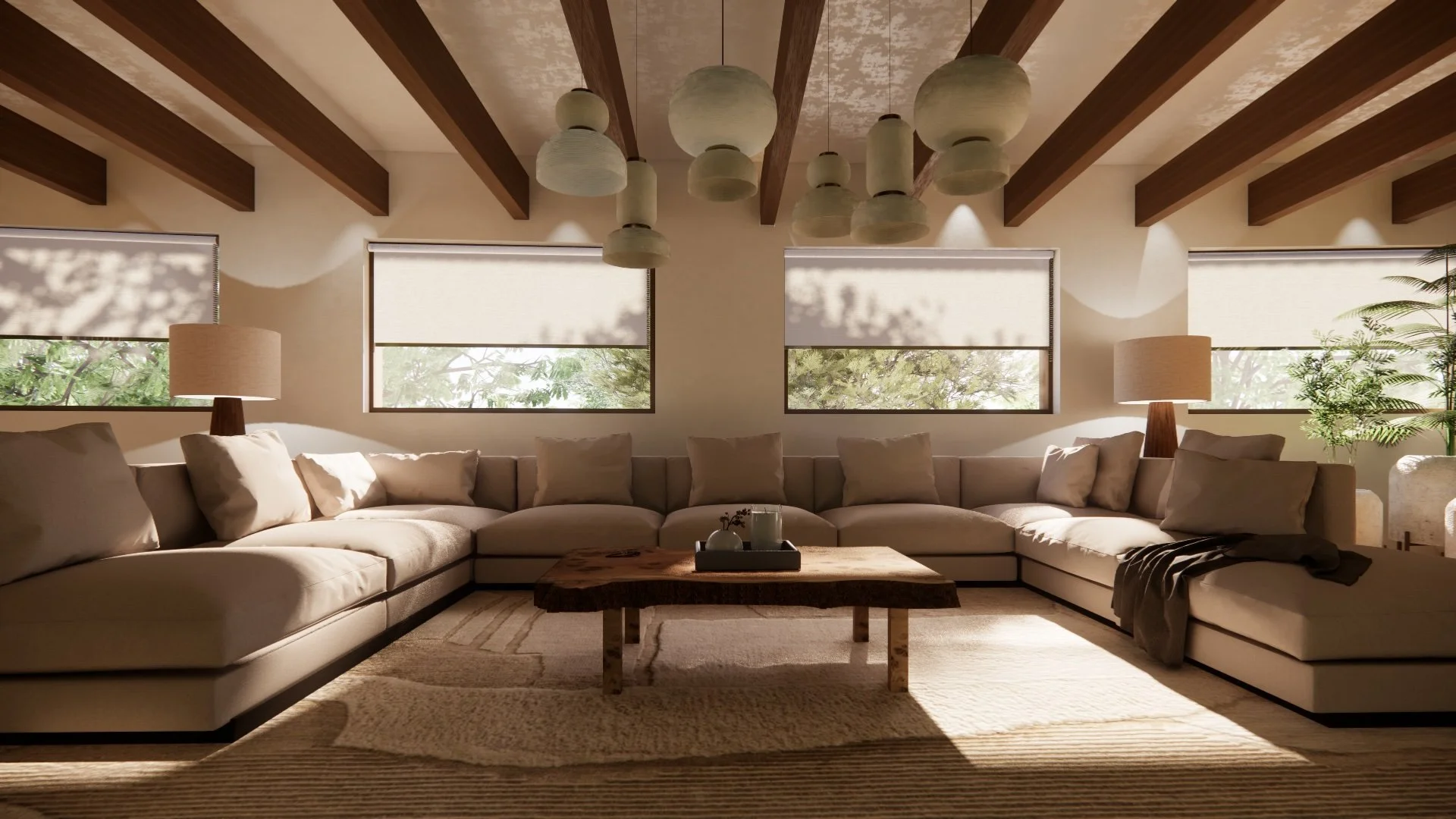
mindfulness room interior design by Biofilico for Carnegie Mellon University Qatar (CMUQ)
What Wellness Design Means in a Campus Context
Wellness design on university campuses should be understood as a practical, human-centred approach to the planning and design of interior environments.
That can include:
healthier study and collaboration spaces
staff workspaces that support focus and comfort
lounges and breakout areas that encourage decompression
better transitions between quiet and active zones
improved lighting and daylight strategy
stronger acoustic control
more thoughtful material selection
layouts that reduce confusion and improve daily use
spaces that support both community and privacy
Importantly, this is not only about student-facing spaces. Faculty offices, staff areas, research environments, shared back-of-house zones and circulation areas all contribute to the lived experience of a campus building.
The Common Mistake: Concept-Led Design Without Enough User Validation
One recurring issue in campus projects is that the design narrative becomes too detached from practical use cases.
A concept may look compelling in presentation form. It may reflect an institutional ambition around innovation, collaboration or future learning. But unless that concept is tested against how students, faculty and staff will actually use the building, the result can become superficial.
This is where universities often benefit from more detailed wellness and user-experience thinking during the briefing and design stages. It is not enough to create spaces that photograph well or appear flexible on plan. The key question is whether those environments truly support the day-to-day routines of the people occupying them.
A wellbeing-led campus interior should be grounded in real functionality. That means understanding the rhythms of academic life, the need for concentration and restoration, the pressures on staff environments, and the way informal spaces are actually used between programmed activities.
Key Principles for Healthier University Campus Interiors
1. Design for Concentration as Well as Collaboration
Many campus projects understandably emphasise collaboration, openness and social learning. Those are important priorities. However, universities also need spaces that support quiet focus, private work and decompression.
Not every student wants to study in an exposed, highly social environment. Not every member of staff can work effectively in noisy or visually overstimulating settings. A balanced campus environment should provide a range of conditions, from collaborative and energetic to quiet and restorative.
2. Prioritise Acoustic Comfort
Acoustics are frequently undervalued in education environments. Yet poor sound control can quickly undermine a space, particularly in shared lounges, open study areas, meeting rooms, staff spaces and circulation zones near learning environments.
A campus may look contemporary and well designed, but if sound travels badly, reverberation is excessive or privacy is compromised, the space can become stressful and underused. Acoustic comfort is not a luxury. It is a core part of how an educational environment functions.
3. Use Lighting to Support Mood, Focus and Daily Rhythm
Lighting has a major effect on alertness, comfort and perceived quality. Access to daylight is highly valuable, but artificial lighting also needs careful consideration. Harsh, flat or poorly controlled lighting can make interiors feel institutional and fatiguing.
In campus settings, lighting should support a mix of activities including concentration, teaching, social interaction and quiet recovery. A more nuanced approach can significantly improve how students and staff experience the space throughout the day.
4. Create Restorative Shared Spaces
One of the most overlooked ingredients in campus wellbeing is the quality of shared, informal space. Students and staff both need places to pause, reset, meet informally or spend time between more demanding activities.
These spaces do not need to be extravagant. What matters is that they feel comfortable, usable and distinct from circulation corridors or generic waiting zones. Better seating, warmer materials, calmer lighting, stronger zoning and a more considered atmosphere can all make a significant difference.
5. Improve Staff Environments, Not Just Student-Facing Areas
Campus design conversations often focus heavily on the student experience, but staff wellbeing deserves equal attention. Faculty and administrative teams spend long hours in offices, meeting spaces, shared workrooms and support areas. These environments directly affect morale, concentration and daily performance.
A university that wants to create a more wellbeing-led campus should look closely at the quality of staff interiors as well as student lounges and learning settings.
6. Think Carefully About Layout and Circulation
Wellness is influenced by how easy a space is to understand and use. Confusing circulation, poor adjacencies, crowded transitions and underplanned shared areas all add friction to everyday campus life.
A better-planned building can reduce stress and support smoother movement between teaching, study, work and social functions. In many cases, this is where some of the most valuable design improvements can be made.
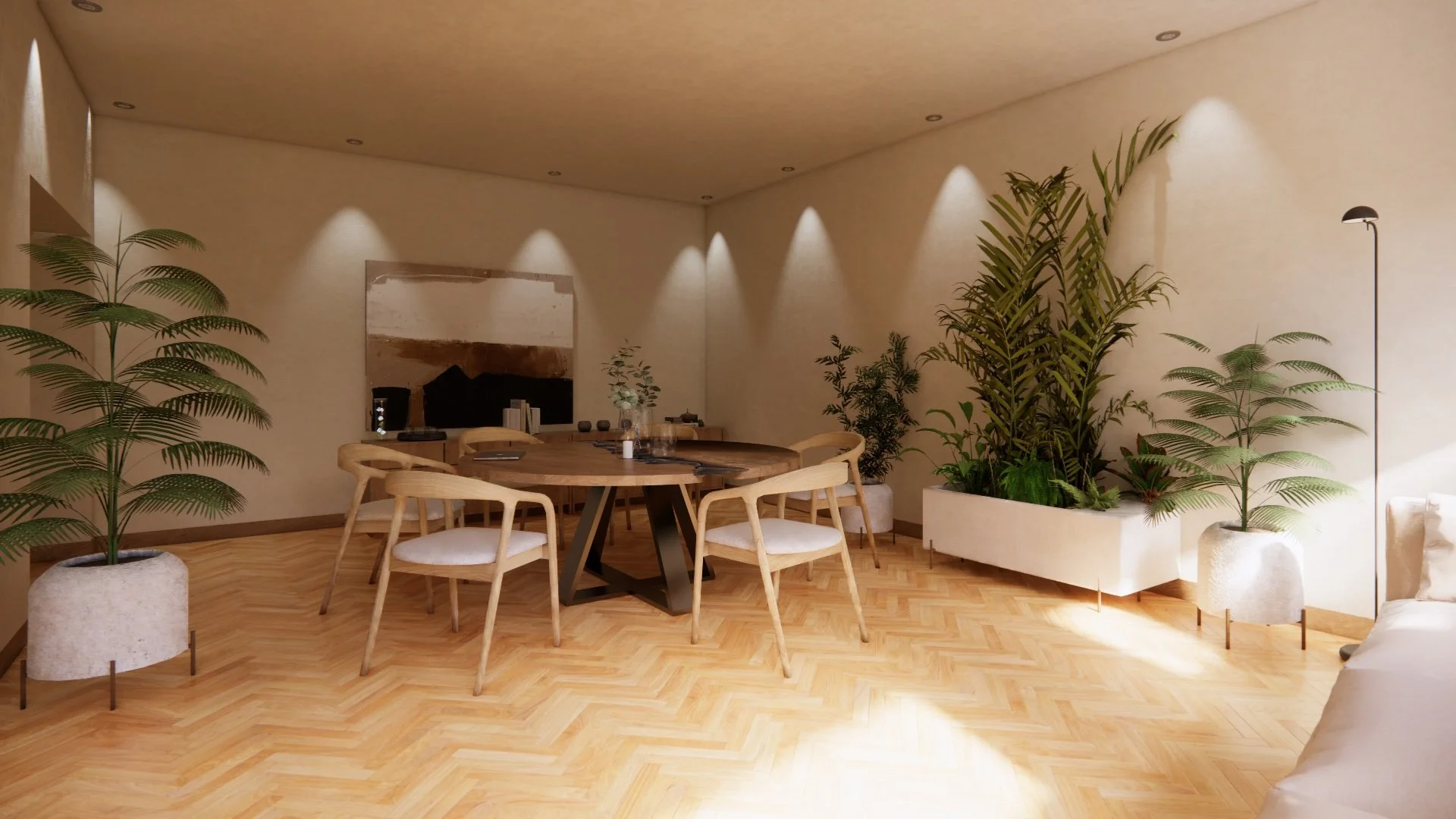
ladies only social room interior design for carnegie mellon university qatar (CMUQ) by biofilico
Where Wellness Design Can Add Value on Campus
Wellness design principles can be applied across a wide range of university environments.
Student lounges and common areas
These spaces should do more than fill leftover square metres. When well designed, they support informal study, rest, social connection and a stronger sense of belonging on campus.
Faculty and staff workspaces
Academic and administrative staff need workplaces that balance focus, comfort, privacy and collaboration. Better staff environments can also reinforce the institution’s overall commitment to wellbeing.
Learning environments and adjacent support spaces
Classrooms, seminar rooms and teaching spaces are important, but so are the adjacent areas that students use before, after and between formal sessions. These transition zones can either support or undermine the overall experience.
Libraries, study rooms and quiet areas
These remain some of the most important wellbeing spaces on campus. They should support different styles of concentration, offer acoustic control and avoid feeling cold or overly institutional.
Research, innovation and mixed-use campus buildings
As universities develop more hybrid buildings that combine academic, social, administrative and innovation functions, the need for strong interior zoning and user-focused planning becomes even more important.
Why Universities Need a More Strategic Approach
Many universities already speak about wellbeing in institutional terms. They invest in student support, mental health services, sports facilities and campus programming. All of that matters. But the physical environment also plays a central role in whether wellbeing ambitions are actually felt day to day.
This is why campus wellness should not be treated as a minor interior design theme. It should be addressed strategically, ideally from the early briefing and planning stages.
A specialist wellness design perspective can help universities define what wellbeing should mean in spatial terms, identify where their current environments are falling short, and translate broader aspirations into practical interior priorities.
That may involve briefing support, design review, healthy interior principles, user-experience mapping or more detailed input into how student, staff and shared spaces are configured.
Wellness Design Is a Practical Advantage for Universities
For universities, wellness design is not just about image. It is a practical advantage.
It can help create more supportive and attractive environments for students. It can improve the everyday experience of staff. It can strengthen the quality and usability of new buildings. It can also help institutions align their physical spaces with the values they increasingly communicate around wellbeing, inclusion and student experience.
In a competitive higher education environment, better buildings are not only about architectural prestige. They are also about how people feel and perform once they are inside.
Final Thoughts
Wellness design for university campuses is about creating healthier, more usable and more human-centred environments for the people who study and work there. It moves the conversation beyond visual concept and toward the practical realities of concentration, comfort, recovery, social interaction and day-to-day experience.
For universities planning new buildings, refurbishments or interior upgrades, the opportunity is clear. Rather than treating wellbeing as a secondary layer, it can be integrated directly into how campus spaces are planned and designed from the outset.
That approach leads to interiors that do more than look contemporary. They work better for the people who rely on them every day.
FAQ Section
What is wellness design for university campuses?
Wellness design for university campuses is the planning and design of interior environments to better support health, comfort, concentration, recovery and daily usability for students, faculty and staff.
Why does wellness design matter in higher education?
It matters because students and staff spend long hours in campus environments. Better lighting, acoustics, layouts and shared spaces can improve concentration, comfort, social connection and the overall quality of the campus experience.
What types of campus spaces benefit from wellness design?
Student lounges, study areas, libraries, classrooms, staff workspaces, meeting rooms, common areas and mixed-use academic buildings can all benefit from a more wellbeing-led design approach.
Is campus wellness design only about student spaces?
No. Staff wellbeing is equally important. Faculty offices, administrative spaces, shared work areas and support environments all affect performance, morale and day-to-day experience.
How is wellness design different from standard campus interior design?
A wellness design approach places stronger emphasis on human experience, including light, acoustics, comfort, materiality, layout, restoration and the practical ways spaces are used every day.
When should universities consider wellness design input?
Ideally at the early briefing, strategy or concept stage, when key decisions about layout, priorities and user experience can still be shaped effectively.
Planning a campus refurbishment, new academic building or interior upgrade?
Biofilico advises universities and education clients on healthy interiors, user-focused planning and wellness-led design strategies for campus environments.
Explore our wellness design and healthy building services or get in touch here via email to discuss your project.