Healthy University Campus Design Consultants | Europe & Middle East
Biofilico is a specialist wellness interior design and healthy-building consultancy working with universities and campus project teams. Our role focuses on the physical environments where wellbeing-led design can create tangible value: student lounges, study spaces, gyms and movement areas, mindfulness and restorative rooms, staff environments and communal campus amenities.
We consider these spaces as part of a wider healthy-campus strategy, looking at how indoor environmental quality, lighting, acoustics, materials, biophilic design, movement, restoration and social connection can contribute to the everyday experience of students, faculty and staff.
We help universities and campus project teams such as those at Carnegie Mellon University Qatar and Karolinska Institutet (Sweden) to create healthier environments for students, faculty and staff.

Karolinska Institutet, Sweden
Karolinska Institutet, Sweden
healthier campus environments, designed with purpose
University wellbeing is shaped by much more than timetables, programming and student services.
The physical environment plays a major role in how students and staff feel on campus day to day.
Better-designed study spaces can support focus and concentration.
Stronger communal spaces can encourage social connection and belonging.
Biofilico is a wellness interior design and healthy workplace consultancy working with businesses, developers and design teams to create offices that support occupant health, comfort and performance.
We integrate evidence-informed wellness design principles into workplace interiors, considering indoor air quality, daylight and circadian lighting, acoustics, thermal comfort, material health, biophilic design, movement and restorative space alongside the practical requirements of contemporary office design.
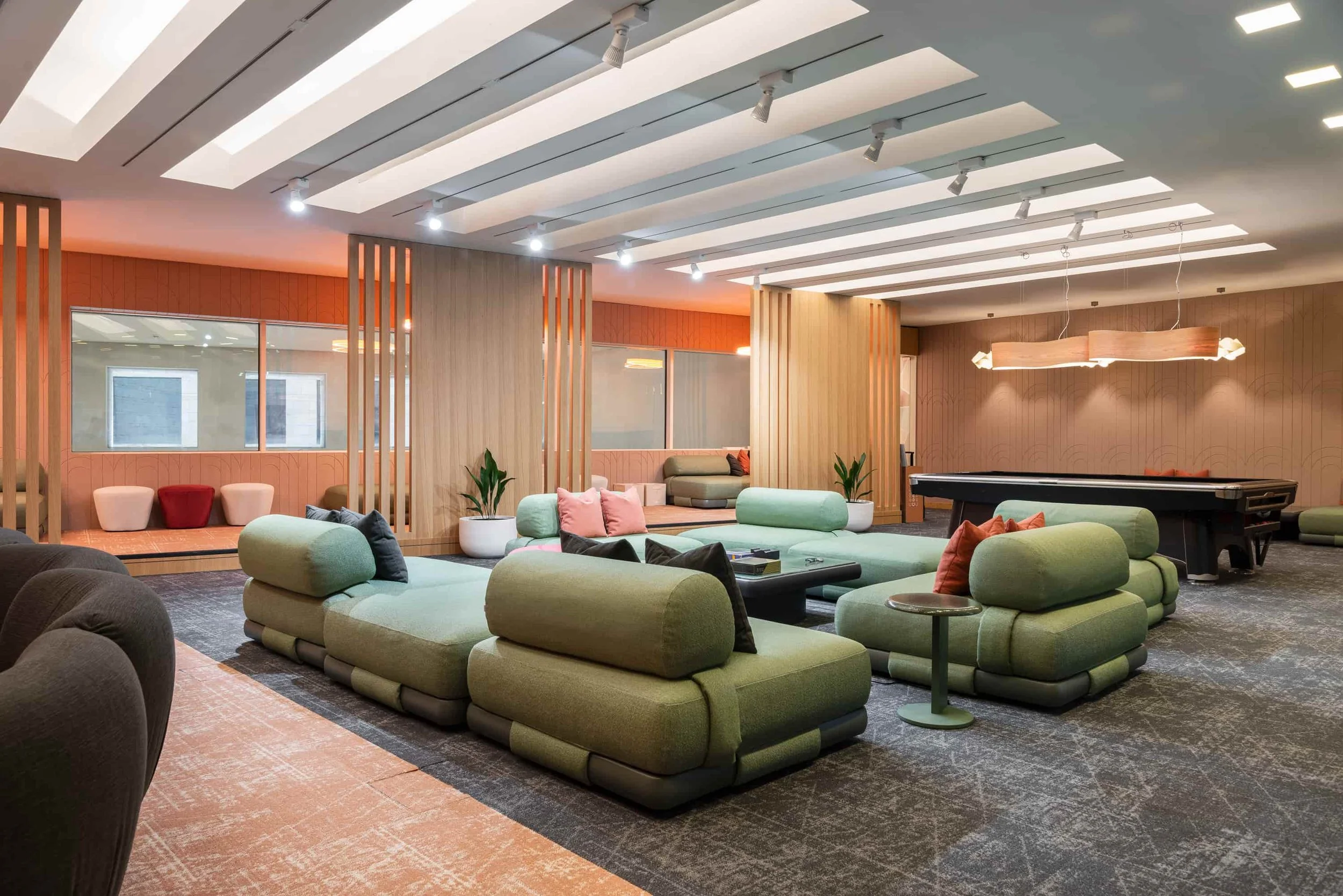
Student lounge, Carnegie Mellon University Qatar
Student lounge, Carnegie Mellon University Qatar
who we work with
We support a range of higher-education clients and project teams, including:
Universities and higher-education institutions
Campus estates and facilities teams
University leadership teams shaping student and staff experience
Architects and interior design studios seeking specialist wellness input
Project teams refurbishing or repositioning campus interiors
Institutions developing healthier study, social, movement or staff environments
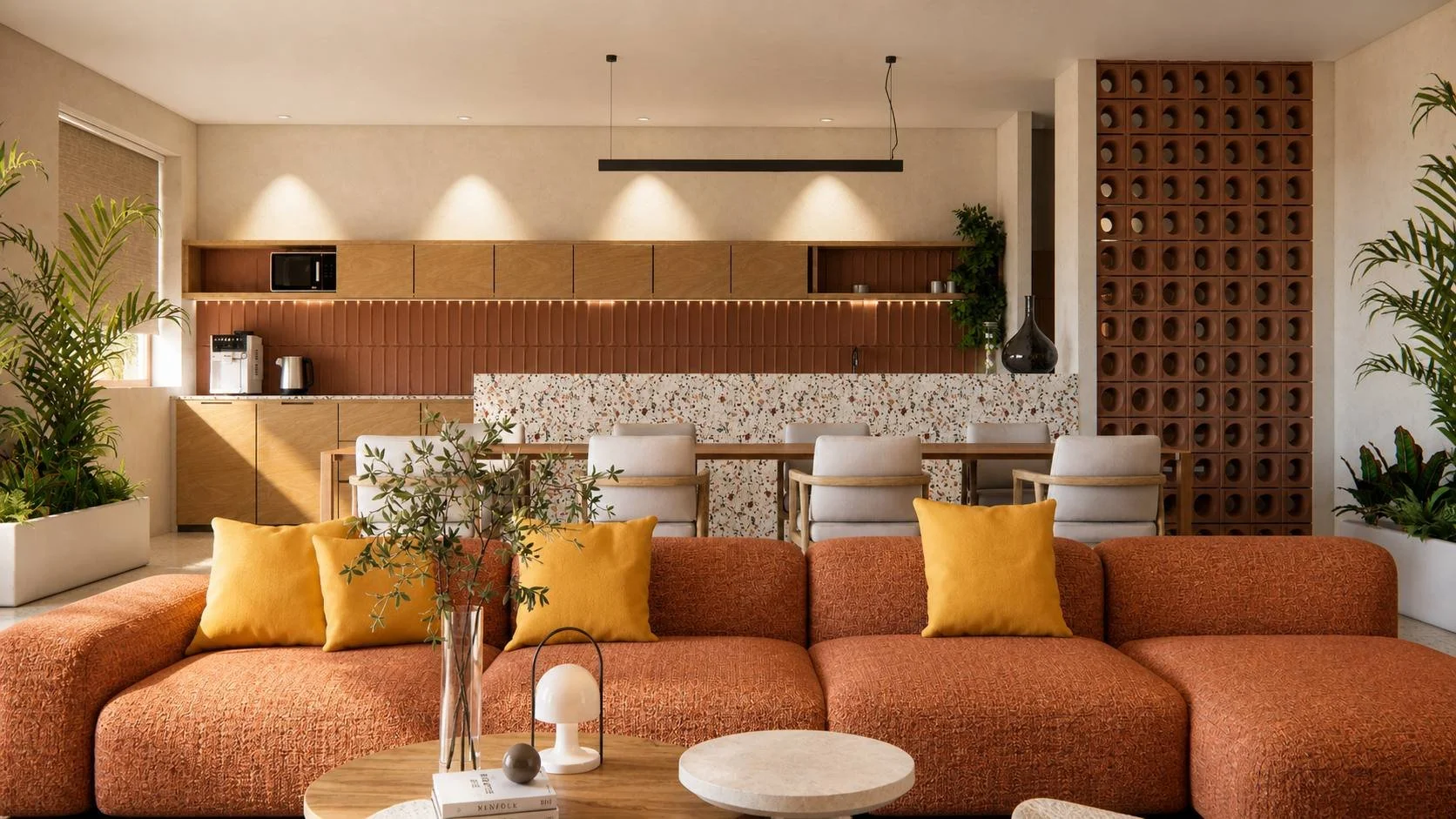
Staff lounge, Carnegie Mellon University Qatar
Staff lounge, Carnegie Mellon University Qatar
university project types
Our experience can be applied across:
Student lounges and campus communal spaces
Study spaces and focus environments
Campus gyms and movement spaces
Mindfulness rooms and quiet rooms
Staff lounges and faculty wellbeing spaces
Shared amenities supporting student life
Healthy refurbishment strategies for existing campus interiors
Multi-space campus wellbeing programmes spanning several user groups and functions

Academic Research Centre, Carnegie Mellon University Qatar
Academic Research Centre, Carnegie Mellon University Qatar
how we support university projects
Depending on the brief, our input may include:
campus wellness strategy
Helping define how wellbeing should show up across student, faculty and staff environments in practical, design-led terms.
student lounge & communal space design
Advising on social spaces that support connection, comfort, flexibility and a stronger sense of campus life.
study & focused work environments
Supporting spaces designed around concentration, acoustic comfort, lighting quality and everyday usability.
campus gym and other movement / activity spaces
Advising on healthier movement environments that support physical activity, be that a quick lunchtime workout or a dance class
mindfulness and restorative spaces
Helping shape quiet rooms, recharge spaces and calmer environments for rest, reflection and mental recovery.
staff & faculty wellbeing spaces
Supporting lounges, workspaces and communal environments that improve staff comfort and day-to-day experience.
IWBI WELL healthy building advisory
Company founder Matt Morley is an IWBI WELL Advisor for 2025 and 2026 (Movement and Mind categories, respectively)
purpose built student accommodation (PBSA) wellness spaces
We design a range of wellness spaces for PBSA schemes, from gyms to yoga rooms, mindfulness areas, indoor basketball courts and e-gaming rooms.
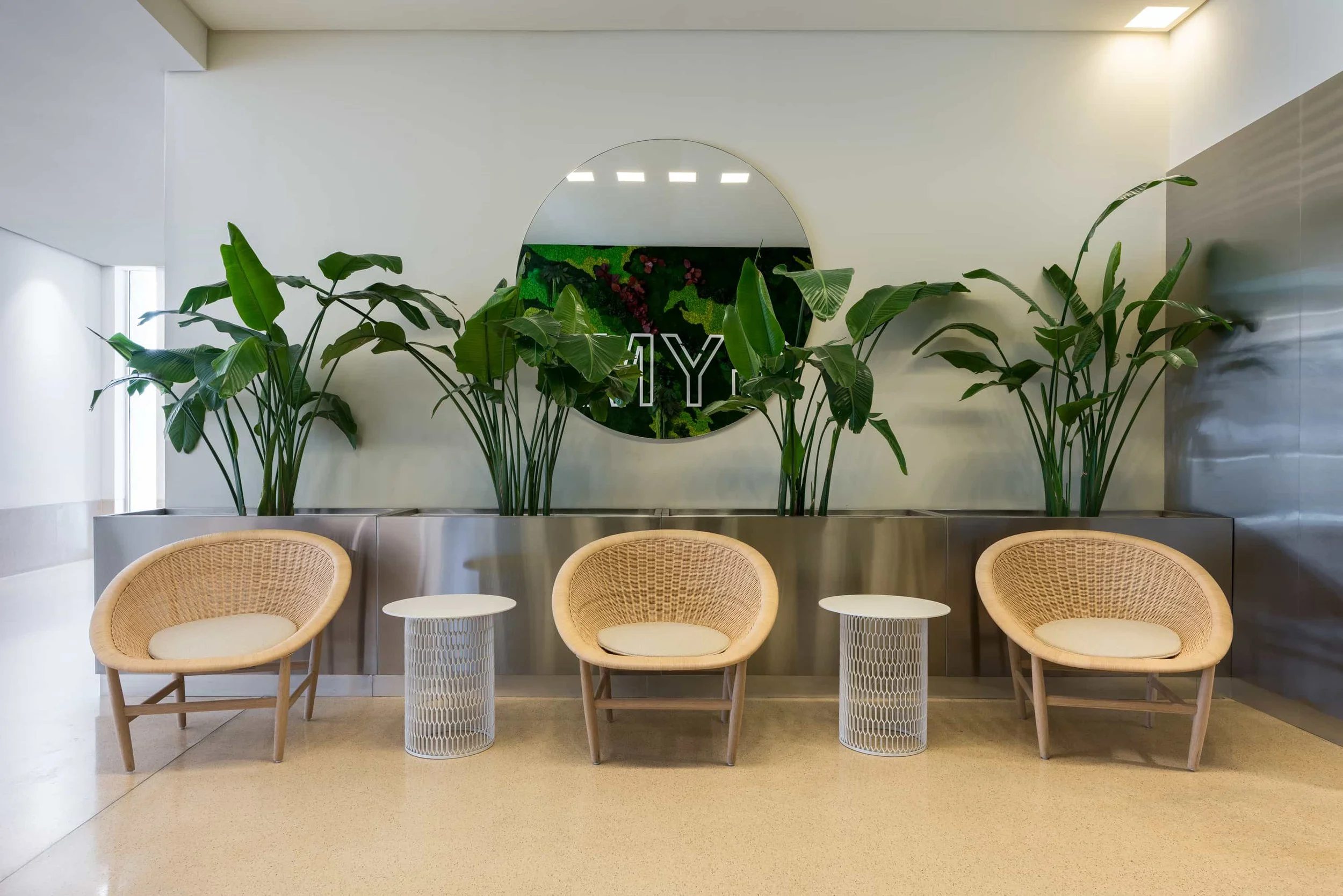
Student gym entrance area, Carnegie Mellon University Qatar
Student gym entrance area, Carnegie Mellon University Qatar
Strategies for creating a healthier university campus
A healthy university campus depends on more than dedicated wellbeing facilities. From a built-environment perspective, the opportunity is to create physical conditions that support concentration, movement, social connection, restoration and everyday comfort across the places where students and staff already spend their time.
Indoor environmental quality — Good ventilation, thermal comfort and healthier material choices provide a foundation for spaces occupied intensively throughout the academic day.
Light and acoustics — Daylight, appropriate artificial lighting and acoustic zoning can support the very different requirements of focused study, collaborative learning, social activity and restoration.
Movement and active design — Gyms and activity spaces have an obvious role, but circulation, stairs, walking routes and opportunities to change posture can also make movement part of everyday campus life.
Nature and biophilic design — Planting, natural materials, views, daylight and access to outdoor landscape can bring meaningful contact with nature into study, social and restorative environments.
Restoration and sensory regulation — Quiet rooms, mindfulness spaces and calmer lounges provide an important counterpoint to busy academic and social environments, particularly where students need greater control over sensory stimulation.
Social connection and belonging — Student lounges, informal study areas and communal spaces can encourage interaction outside formal teaching, while equivalent attention should be given to faculty and staff environments.
The objective is not to turn every part of a university into a designated wellness space, but to apply healthier design principles across the environments where people study, work, meet, move and recover.
See these principles in practice → Carnegie Mellon University Qatar campus wellbeing case study

Academic Research Centre, Carnegie Mellon University Qatar
Academic Research Centre, Carnegie Mellon University Qatar
why universities care about wellbeing
Healthier campus environments can contribute to a more attractive and supportive university experience.
For institutions, this can help strengthen student experience, staff wellbeing, campus identity and the quality of shared environments across academic and social life.
It can also support refurbishment strategies by helping universities identify where targeted design upgrades can create meaningful improvements without needing a full campus rebuild.
The most credible projects are those where wellbeing is built into the design logic from the outset, rather than treated as a superficial layer.
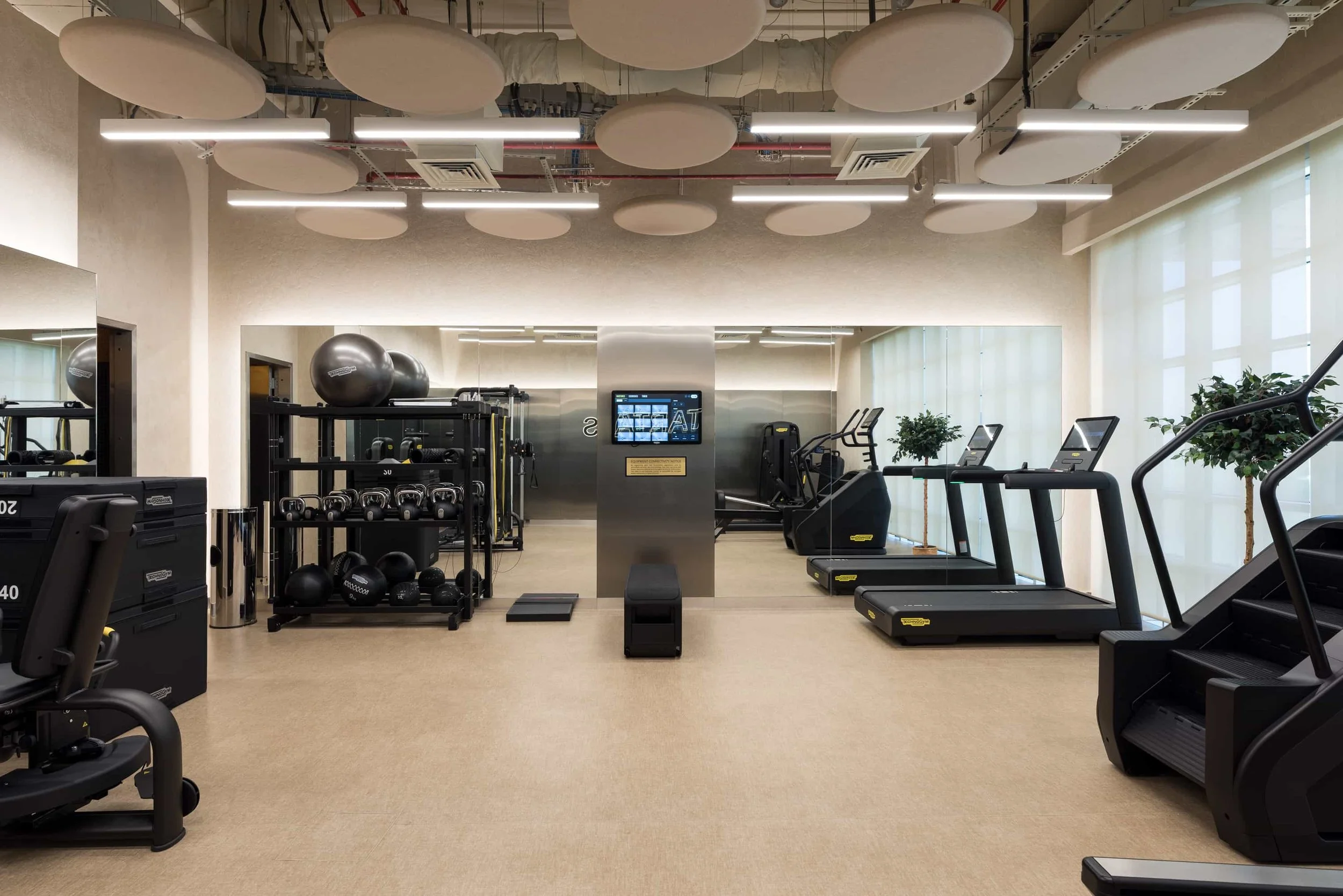
Student gym, Carnegie Mellon University Qatar
Student gym, Carnegie Mellon University Qatar
our approach
Biofilico combines strategic thinking with practical design input.
In university environments, we typically work as a specialist advisor within the wider project team, focusing on healthier campus interiors and wellbeing-led amenity spaces.
Depending on the brief, we may support one individual space or a broader programme of campus environments serving different user groups.
Our work is grounded in wellness interiors, healthy building thinking and real-world usability, always with close attention to how students, faculty and staff experience a space in daily campus life.
selected university experience

Carnegie Mellon University Qatar (CMU-Q)
Wellness interior design, strategic partner
An ongoing multi-space campus design relationship spanning student, staff and wellbeing-focused environments, including social, study, movement and communal spaces.
Karolinska Institutet, Health Promotion Unit, sweden
Concept, interior design, equipment procurement
A compact university micro-gym shaped around healthier materials and a more thoughtful approach to movement and wellbeing within an academic setting.
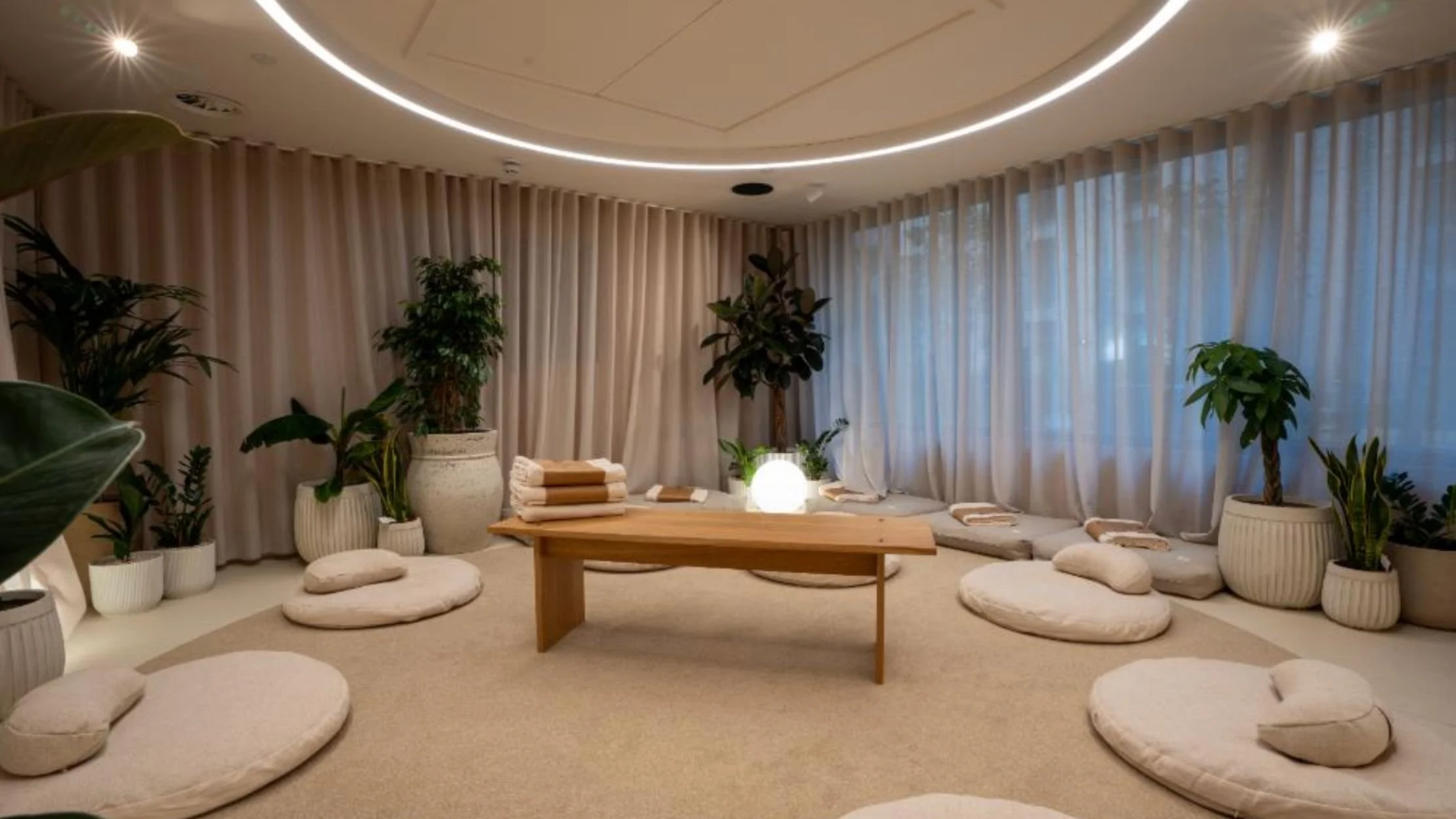
Fusion Students, 8 PBSA sites around the UK
Interior design of leisure & wellness spaces
A series of purpose built student accommodation projects in 8 cities around the uk for fusion students. We designed indoor basketball courts, gyms, meditation rooms, yoga studios and leisure spaces for co-living environments.
related services
This page was written by Matt Morley: a tedx speaker, Fitwel Ambassador and IWBI well advisor for Mind + movement Chapters (2026 + 2025 respectively)
FAQs
do you design entire university campuses?
1
Our role is more specialist that that. We focus on interior environments where wellbeing-led thinking can create the most value, such as lounges, study spaces, gyms, quiet rooms and staff rooms.
is this only about student wellbeing?
2
No. We also consider faculty and staff environments, since healthier campuses depend on the wider user experience, not only student-facing spaces.
can you work alongside an appointed architect?
3
Yes. This is often the most practical model. We can provide specialist wellness-led input within a wider campus project team.
do these projects need to be new-build?
4
No. This approach can be applied to refurbishments, upgrades and selected campus interior improvements as well as new projects.
planning a university wellbeing project?
If you are developing healthier spaces for students, faculty or staff, we can help shape the strategy, design priorities and interior environments that support a stronger campus experience.
This page was written by Matt Morley: a tedx speaker, Fitwel Ambassador and IWBI well advisor for Mind + Movement Chapters (2026 + 2025 respectively)