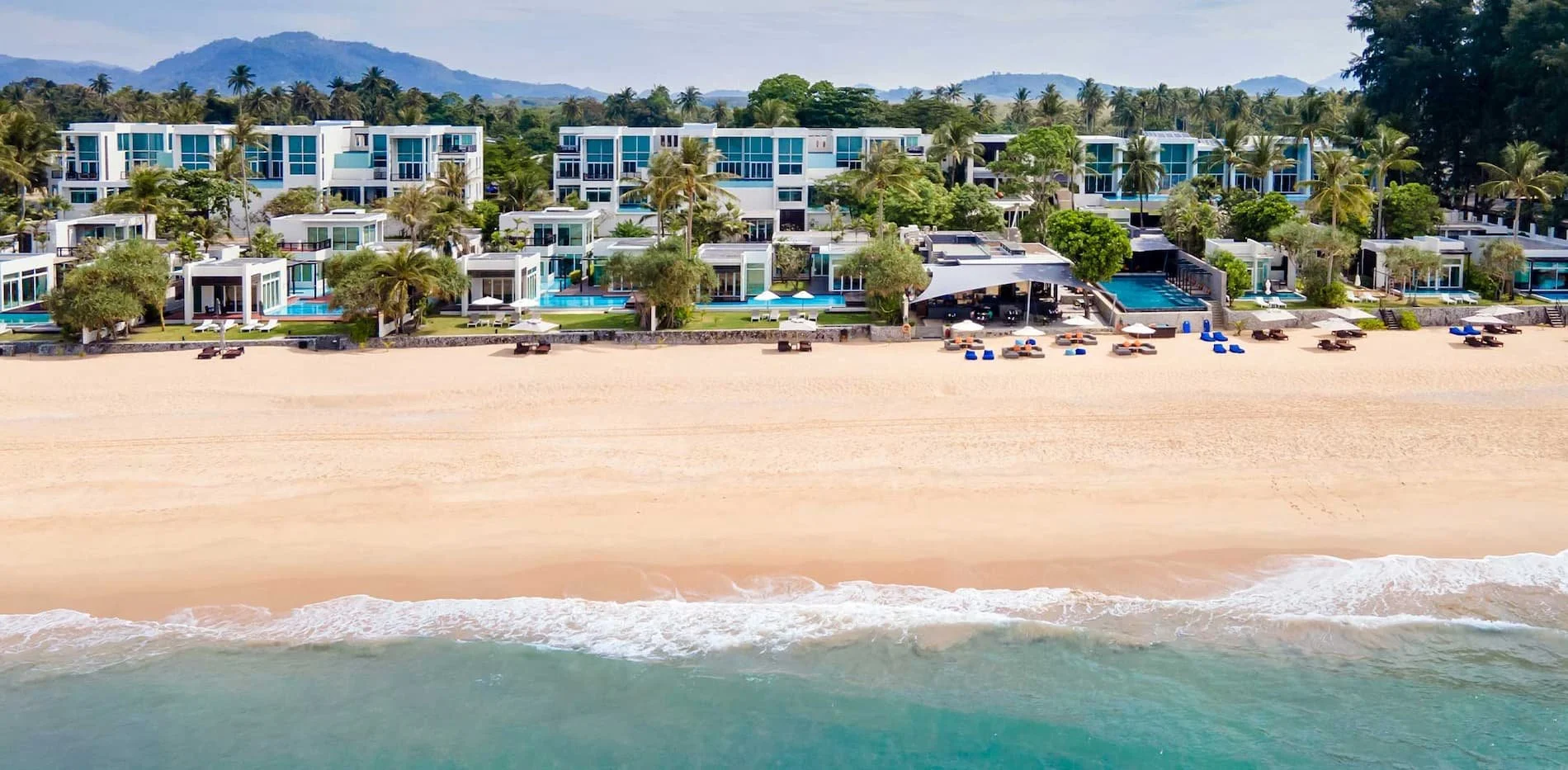
Aleenta Resort Spa
Functional spa concept for a boutique hospitality setting rooted in calm, restoration and recovery
SummaryBiofilico contributed to the wellness design thinking for Aleenta Resort’s Spa near Phuket in Thailand, helping shape a hospitality environment centred on restoration, calm and a more immersive sense of retreat.
Set within a boutique resort context, the project was less about scale and more about atmosphere: creating a spa experience that felt aligned with slower rhythms, natural materials and a softer, more restorative guest journey.
As you’ll discover below, this project shows how even smaller wellness hospitality projects can create value through clarity of concept, sensory quality and a strong connection between space and wellbeing.
project overview
Client: Aleenta Resort
Location: Thailand
Sector: Wellness hospitality / boutique resort / spa
Project type: Spa and wellness concept input
Scope: Wellness design direction, hospitality spa concept, restorative experience planning
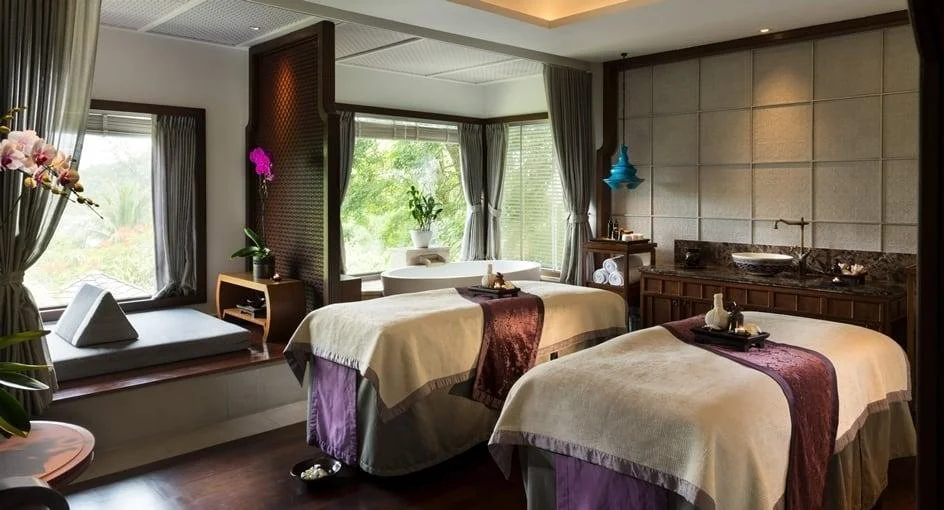
Key spaces: Spa treatment and relaxation environments
the brief
The aim was to support a spa experience that felt calm, refined and consistent with the wider hospitality identity of the resort while also adding a recovery / functional spa component to the guest experience.
Rather than creating a generic spa environment, the concept needed to shift towards a younger generation’s needs, considering concepts such as infrared saunas, ice baths, floatation tanks, cryotherapy and dry float beds.
our approach
Biofilico approached Aleenta Spa through the lens of restorative hospitality.
The focus was on:
calm and atmospheric spatial experience
functional benefits for mental and physical performance
biohacking inspiration to attract a younger demographic to the spa
This was about extending the depth and breadth of the spa experience as much as the functionality of the space.
wellness vision
The project reflects a wellness hospitality approach in which the spa is not treated as a decorative add-on, but as an important part of the resort’s identity and one that can create a unique selling point, if planned strategically in advance.
At Aleenta, the emphasis was on creating a setting that supports:
relaxation first but also recovery (e.g. infrared sauna)
nervous-system downregulation
sensory deprivation for stress-relief (e.g. floatation tank)
functional, anti-aging treatments (e.g. red light therapy)
fun, relatively short, experiential treatments (e.g. cryotherapy)
That kind of clarity is often what distinguishes a more compelling boutique spa from a standard hotel wellness facility.
conclusion
Why this project matters
The Aleenta case study shows that wellness value is not only created through large-scale programmes or complex amenity mixes.
Sometimes the differentiator lies in the strategic addition of certain high impact spa treatments, in particular touchless wellness technology, that enhance the overall spa concept and generate interest amongst a younger demographic.
Outcome
The Aleenta Spa project helped reinforce a more boutique, wellness-led hospitality identity, using functional spa equipment to upgrade the resort’s brand promise to an urban target market in tune with the latest wellness trends.
Frequently Asked Questions
-
Aleenta Spa was a boutique hospitality wellness project in Thailand focused on spa and restorative guest experience. Our brief was to integration a biohacking component into the spo with equipment such as a floatation tank, red light therapy, infrared sauna an dcryotherapy.
-
No. The relevance of the project lies more in the boutique spa experience and the hospitality-led restorative concept. Certain rooms were available within the existing spa area, our job was to evaluate what wellness technology to put in each.
-
That small interventions can have high impact and returns on investment if they are carefully planned out. That meant understanding the limitations of the available spa spaces (dimensions of access corridors and doorways were a limiting factor in this case) as well as operational constraints (sourcing supplies for a cryotherapy chamber were challenging in Phuket at the time).