The Continued Rise of Health Bars in Wellness Interiors
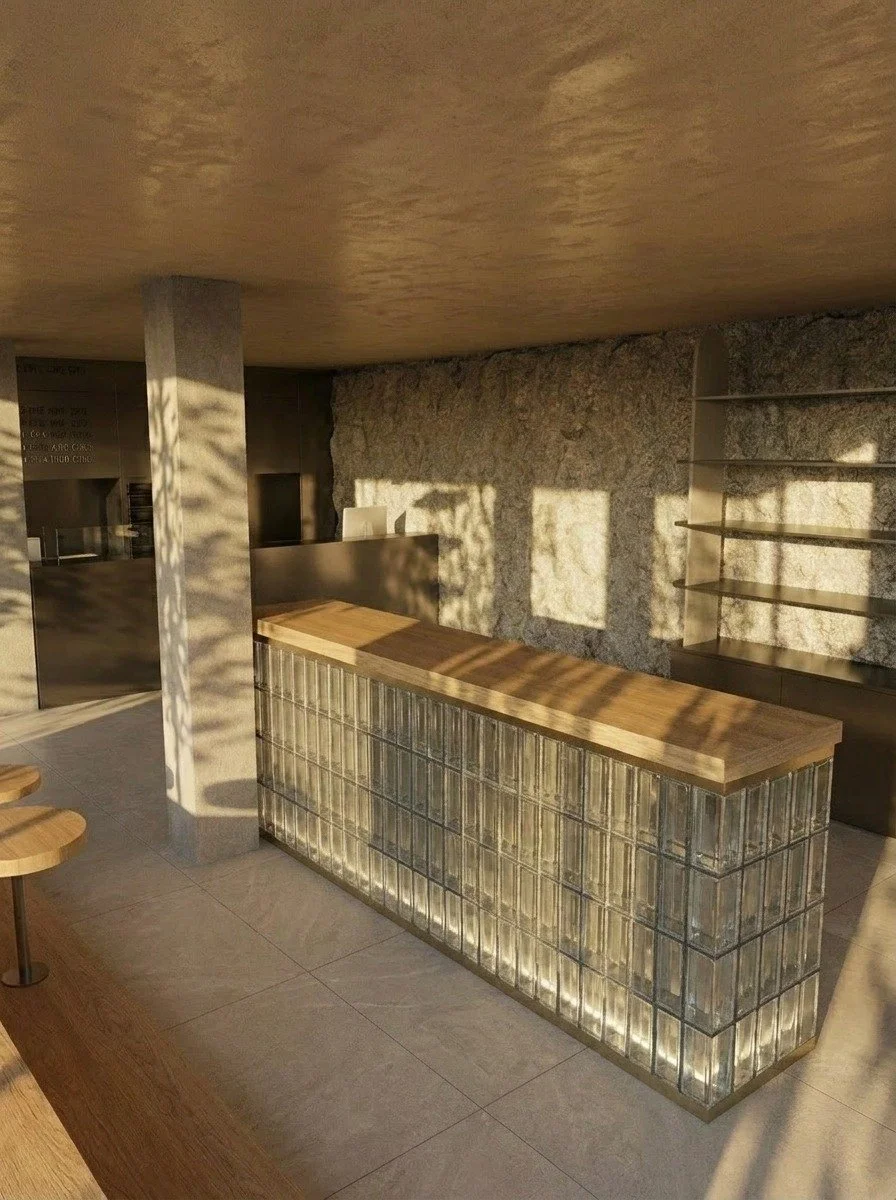
concept design visual for a wellness club retail, health bar and reception area
The health bar is becoming an increasingly important feature in boutique wellness spaces. And I’ve been beating this particular drum for several years now!
Once associated mainly with heavily sweetened whey protein shakes in bodybuilding gyms or at best juice bars in health clubs, the new generation of health bar is considerably more sophisticated. In fact, it’s a reinvented version 2.0.
Nowadays it is just as likely to include collagen or L-Glutamine enhanced drinks, creatine monohydrate add-ons, electrolyte coolers, functional mushroom coffee, gut-friendly kefirs, protein-rich snacks, adaptogenic tonics, magnesium drinks or recovery-focused grab-and-go products.
In the right context, this is no longer simply an F&B add-on. It becomes part of the wellness experience itself.
For boutique fitness studios, recovery concepts, hotel wellness areas, residential wellness amenities and hybrid wellness clubs, the health bar can support several functions at once: refuelling, recovery, social connection, retail sales point, brand expression and community-building.
For class-based studios, an average EUR 10 spend at the health bar post-workout for say 50% of visitors can also make a significant impact on the business’s bottom line.
This is why it deserves to be considered early in the wellness design process, not added at the end as a counter with a blender.
Why health bars are becoming ever more relevant
As I see it, the growth of health bars sits within a broader shift in consumer wellness.
That shift is relevant for our work designing interiors because a daily wellness practice typically requires a corollary number of places, rituals and touchpoints.
In particular, a health bar gives a wellness facility, be it a pilates studio or a gym, a reason to extend the experience beyond the class, treatment or recovery session.
At the same time, functional beverages are becoming more mainstream. European functional beverage trends are increasingly focused on targeted benefits, including hydration, energy, gut health, protein consumption (low-carb diets and GLP1s) and other health-oriented formulations.
This means the health bar is no longer limited to the old model of endless protein smoothie options. It can now be a curated wellness offer, aligned with the target audience and designed around specific user moments. With a carefully crafted menu, the right drink can help a client to prepare for a workout, perform during the workout, recover after the workout, enhance their skin glow generally, or facilitate a mental reset while chatting at the bar with friends.
From smoothie bar to functional hospitality
The most innovative health bars out there do not feel like supplement counters, but rather a compact hospitality experience: carefully designed, well-lit, socially visible and connected to the broader identity of the space. In a wellness interior, the health bar can perform several roles:
a welcome point
a post-class ritual
a recovery station
a social anchor
a retail display
a brand storytelling device
a bridge between fitness, nutrition and lifestyle
a reason to stay longer after the main activity
This is why the design of the health bar is so crucial to get right. Its location, counter design, menu board, lighting, seating, product display, acoustics and operational flow all influence whether it feels like an integrated part of the experience or a late-stage commercial add-on.
The key characteristics of a modern health bar
A strong wellness health bar usually has five characteristics:
1. Small in scale but strategic in design
Most wellness facilities do not need a full café set-up, nor do they have the staffing or licensing for that.
What they need is a compact, efficient, highly curated service point that supports the core experience. This may be a counter integrated into reception, a post-class drinks bar, a recovery lounge offer, or a grab-and-go fridge with a few made-to-order signature drinks.
The design challenge is to make it feel intentional without making it operationally excessive.
2. Closely linked to the customer journey
The health bar should sit naturally within the sequence of the visit.
For example:
before class: hydration, focus, light energy
after class: protein, electrolytes, recovery
after sauna or cold exposure: mineral hydration
after treatment: tea, collagen, light nutrition
during social dwell time: matcha, coffee, low- or no-sugar snacks
When the menu aligns with the journey, the health bar feels useful rather than decorative. In concrete terms, the bar is inevitably positioned close to the entrance area and reception, meaning it can also cater to outside guests who pop in for a drink and continue on their way.
3. Clear menu architecture
The most effective menus are simple and benefit-led. Some may decide to partner up with a previously vetted brand such as Naked, my current favourite thanks to their performance focus, high quality powders and generally funky brand personality.
A useful structure might be:
Prepare — hydration, focus, light energy
Perform — protein, creatine, caffeine, electrolytes
Recover — protein, kefir, magnesium, mineral drinks
Glow — collagen, berries, vitamin C-rich ingredients, matcha
Reset — tart cherry, herbal infusions, magnesium, low-sugar calming drinks
This structure helps customers understand the offer quickly, while also giving the brand a more distinctive point of view.
4. Supports community
The health bar gives people a reason to pause rather than dashing off on to their next appointment after class.
This matters in boutique wellness environments where community is often part of the value proposition. A class or recovery session may last 45 minutes, but the relationships, rituals and repeat visits are often built around what happens before and after. We go to workout in other words, but also to feel connection.
A small seating area, visible drink preparation, a communal table, a curated retail shelf, a well-designed menu board and a comfortable dwell zone can all help turn the health bar into a social anchor.
The aim is not to create a noisy café. It is to create a moment of belonging.
5. Operationally realistic
A health bar can become complicated quickly.
Blenders, fridges, sinks, ice, waste, storage, allergen information, food hygiene, staff training, cleaning and POS systems all need to be planned and thought out well in advance. If these are not considered early, the bar may look good in design visuals but fail in daily operations, resulting in slower service and operational roadblocks.
A good health bar concept should therefore be designed around what the team can realistically deliver every day. If it is one receptionist manning the check-in process as well as the drinks prep for the first year after opening, that needs to be factored in upfront!
What are the “magic ingredients” of the modern health bar?
The ingredients themselves are only part of the story. What matters is how they are selected, presented and connected to the wellness experience.
That said, several ingredient families are especially relevant, driving sales and providing a ‘hook’ for clients to connect what they are consuming with the desired effect or result.
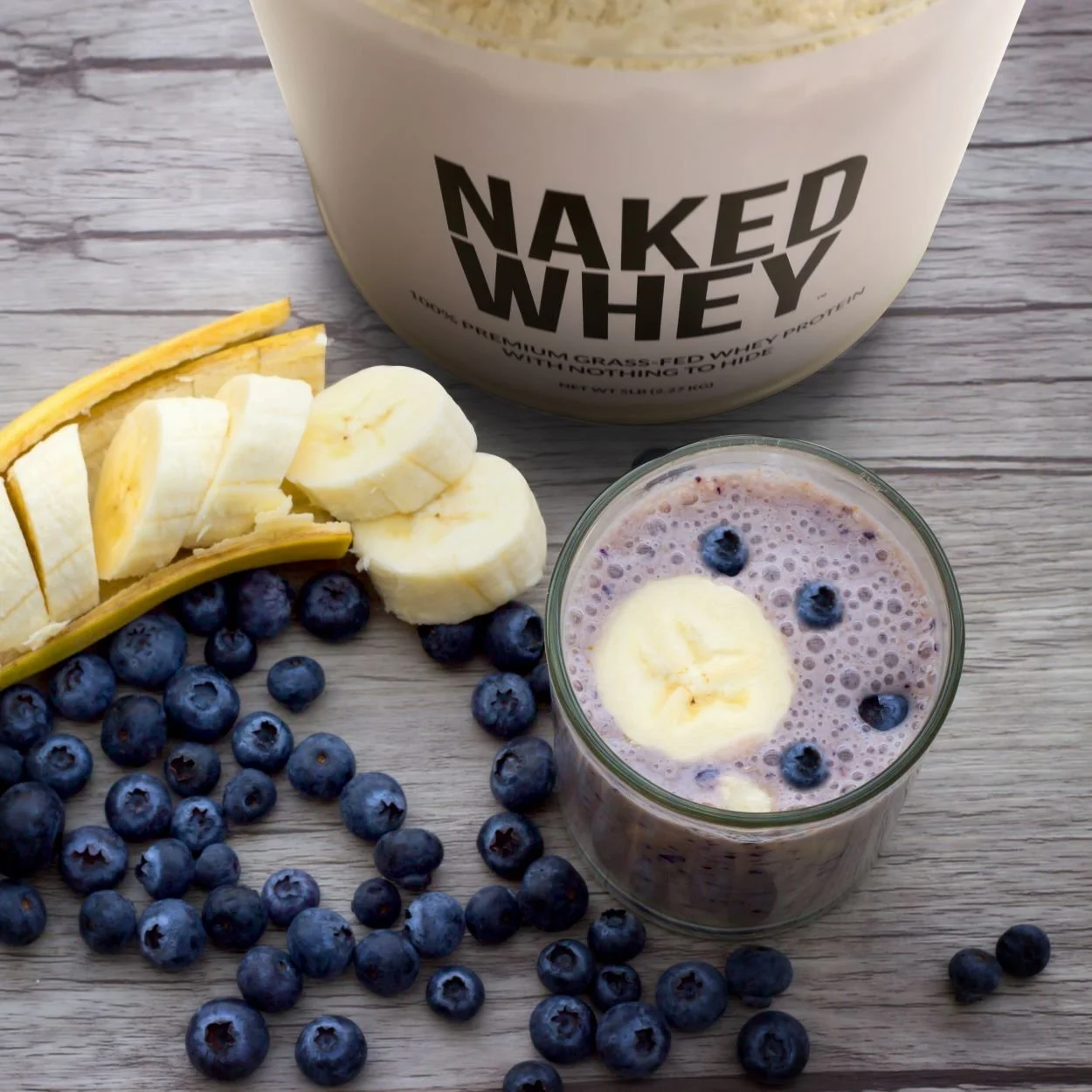
Protein
Protein remains the anchor ingredient for many health bars. What has changed of late is the audience and the aesthetic.
Protein is no longer only associated with bodybuilding. It is increasingly used in boutique fitness, Pilates, active ageing, women’s strength training, luxury health clubs and hotel wellness environments. In other words, protein has re-branded for a new generation of users, be it grass-fed whey or vegan-based such as pea protein.
For a modern wellness bar, protein can appear in:
post-class shakes
smoothies
protein coffees
protein matcha
yoghurt or kefir bowls
low-sugar snacks
grab-and-go products
The key is to avoid making the offer feel like a conventional gym supplement counter. The language should be clean, inclusive and benefit-led.
Examples:
Post-Class Protein
Sculpt Recovery
Strength + Hydration
Lean Recovery
Cacao Protein
Kefir Recovery
Creatine
Creatine is one of the clearest examples of an ingredient moving from sports nutrition into mainstream wellness culture.
It was historically associated with bodybuilding and strength training, but recent consumer interest has expanded, especially among women and people interested in strength, energy, healthy ageing and cognitive performance narratives.
For a health bar, creatine works best as a precise optional add-on rather than a vague wellness ingredient.
A simple menu expression might be:
add 3g creatine
strength water with creatine
creatine electrolyte cooler
post-class recovery shake with optional creatine
The language should remain careful. Creatine can sit comfortably in a performance and recovery context, but it should not be overpromised. For example, recent studies show a link between high doses of creatine (5g - 10g) as a cognitive supplement after a night of poor quality or insufficient sleep however those claims need to be managed carefully.
Collagen peptides
Collagen peptides sit at the intersection of beauty, wellness, ageing and recovery.. but don’t forget that a regular portion contains around 9g of protein as well!
It is particularly well suited to Pilates studios, wellness clubs, hotel wellness areas and beauty-adjacent recovery concepts because it carries a softer set of associations than traditional sports nutrition. It can be used in:
collagen matcha
collagen coffee
berry collagen drinks
cacao collagen drinks
collagen protein smoothies
beauty-from-within style drinks
For design and concept purposes, the menu should be built around ingredient transparency and experience, not exaggerated claims.
Better:
“with collagen peptides”
“collagen matcha”
“berry collagen cooler”
Avoid:
“reverses ageing”
“repairs joints”
“restores skin”
“heals inflammation”
Electrolytes and mineral hydration
Electrolytes are becoming central to the functional beverage category because they connect directly to hydration, performance, recovery, sauna, heat exposure, cold exposure and active lifestyles.
For a wellness interior, this is highly practical.
Electrolyte drinks can support:
post-class recovery
post-sauna hydration
cold plunge rituals
hot yoga / Pilates
summer programming
alcohol-free social moments
low-sugar functional drinks
This category is likely to be more operationally useful than many exotic wellness ingredients.
Matcha and functional coffee
Coffee and matcha remain powerful because they are already daily rituals.
The health bar can elevate these familiar formats by connecting them with collagen, protein, L-theanine, functional mushrooms, MCT, electrolytes or low-sugar milk alternatives.
In design terms, this matters because coffee and matcha are not only products. They are dwell-time triggers. They give users a reason to arrive early, stay after class, meet a friend or work briefly from the lounge.
A health bar with a strong matcha or coffee ritual can become a daily social habit, not just a post-workout upsell.
Kefir, yoghurt and gut-health ingredients
Gut health is one of the strongest functional beverage and food trends.
In wellness interiors, gut-health ingredients can bring warmth and credibility to the menu because they are less technical than powders and more connected to real food.
Useful formats include:
kefir smoothies
yoghurt bowls
prebiotic fibre drinks
ginger digestive shots
fermented fruit tonics
low-sugar probiotic drinks
This is also an area where local cultural adaptation can make the concept feel more authentic. In some markets, fermented dairy, mineral water, sour cherry, honey, berries, herbs or traditional infusions may create a more grounded offer than imported wellness clichés.
Magnesium, tart cherry and evening recovery
Not every health bar needs to be built around stimulation.
For recovery spaces, wellness clubs, hotels and residential amenities, there is value in an evening or calming drinks offer. Magnesium, tart cherry, herbal infusions, chamomile, lavender and low-sugar mineral drinks can support a more restorative positioning.
This matters because wellness interiors increasingly need to support different states during the day:
morning activation
pre-class energy
post-class recovery
afternoon focus
evening calm
post-treatment decompression
A well-planned health bar can help choreograph those transitions.
Health bar as community infrastructure
The commercial value of a health bar is not only measured in drink sales.
Its wider value may include:
longer dwell time
stronger social connection
better post-class rituals
higher member retention
more retail visibility
better use of reception and lounge space
more shareable brand moments
workshop and event opportunities
a clearer sense of belonging
In boutique wellness, people often return because of the atmosphere and community as much as the core service. The health bar can become one of the key places where that community is built.
This is particularly relevant in smaller studios, where the bar does not need to be large to be meaningful. A compact counter, a few seats, a strong menu and a clear ritual can be enough.
Design implications
If the health bar is part of the concept, it should be planned early.
Key design questions include:
Where does it sit in the customer journey?
Is it visible from arrival?
Is it before or after the changing rooms?
Does it support social dwell time?
Is there a grab-and-go component?
Does it need a back counter?
How much cold storage is required?
Is a sink required?
Is there enough space for staff movement?
Where does waste go?
Where are ingredients stored?
Where is the menu board positioned?
How does it connect to retail?
Is the lighting flattering and functional?
Can customers photograph the product without the space feeling staged?
These questions are not secondary. They affect the layout, MEP, operational flow and final guest experience.
The risk of over-complication
The strongest health bars are usually not the most complicated.
A first-location wellness studio or hotel wellness space may be better served by a short, well-designed menu than an ambitious café offer requiring complex staffing, food preparation and compliance.
A useful starting point might be:
3-4 protein-based drinks
2-3 hydration-based drinks
2-3 collagen / glow drinks
a range of coffee and matcha options
1-2 recovery / evening drink (non caffeinated)
selected grab-and-go snacks with nutritional information available
a small retail shelf
This can always expand later. The priority is to make the offer operationally reliable and aligned with the brand.
Health claims and responsible language
Health bar concepts need careful language.
In Europe, health and nutrition claims are regulated, and the European Commission’s EU Register lists permitted nutrition claims and authorised and non-authorised health claims, including conditions of use and restrictions. (Food Safety) EFSA explains that a health claim is any statement linking a food or ingredient to a specific health benefit. (European Food Safety Authority).
For wellness interiors, this does not mean avoiding functional ingredients. It means avoiding exaggerated claims.
Safer language includes:
“with electrolytes”
“with collagen peptides”
“with 20g protein”
“with 3g creatine”
“low sugar”
“caffeine-free”
“plant-based option”
Riskier language includes:
“detox”
“anti-ageing”
“fat-burning”
“hormone-balancing”
“immune-boosting”
“heals inflammation”
“repairs joints
The more premium the environment, the more important this restraint becomes. Credibility is part of the design language
Conclusion
The modern health bar is not just a smoothie counter.
In a wellness interior, it can become a strategic layer of the experience: a place to refuel, recover, socialise, shop, pause and belong.
The strongest concepts are compact, curated and operationally realistic. They connect to the customer journey, support the service model, express the brand, and create rituals that extend the value of the visit beyond the main activity.
For boutique studios, hotel wellness spaces, residential amenities and recovery-led concepts, the health bar can become one of the most effective bridges between wellness, hospitality and community.
The key is to plan it early — not as decoration, but as part of the architecture of the experience.
Planning a wellness interior with a health bar?
Biofilico works with founders, developers, operators and design teams to translate wellness concepts into coherent physical environments.
We help clients consider how functional health bars, recovery spaces, movement studios, social areas and guest journeys can work together as part of a more complete wellness experience.
[Contact Biofilico to discuss your project]